Apr
29
2008
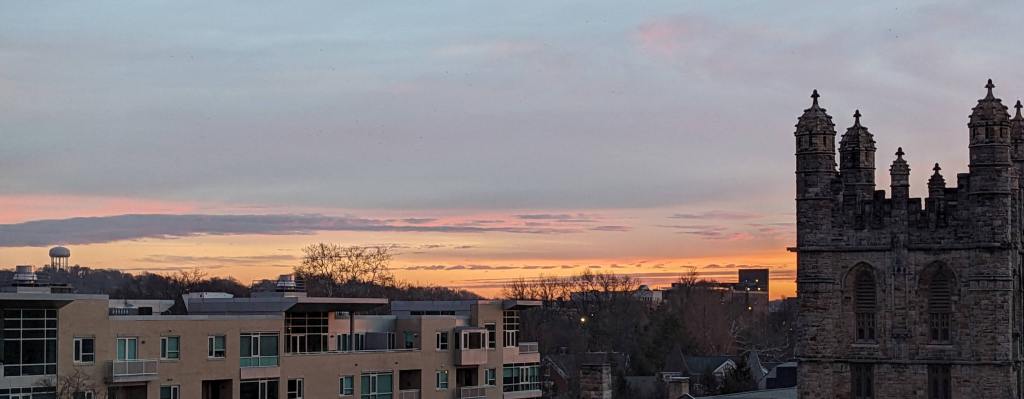
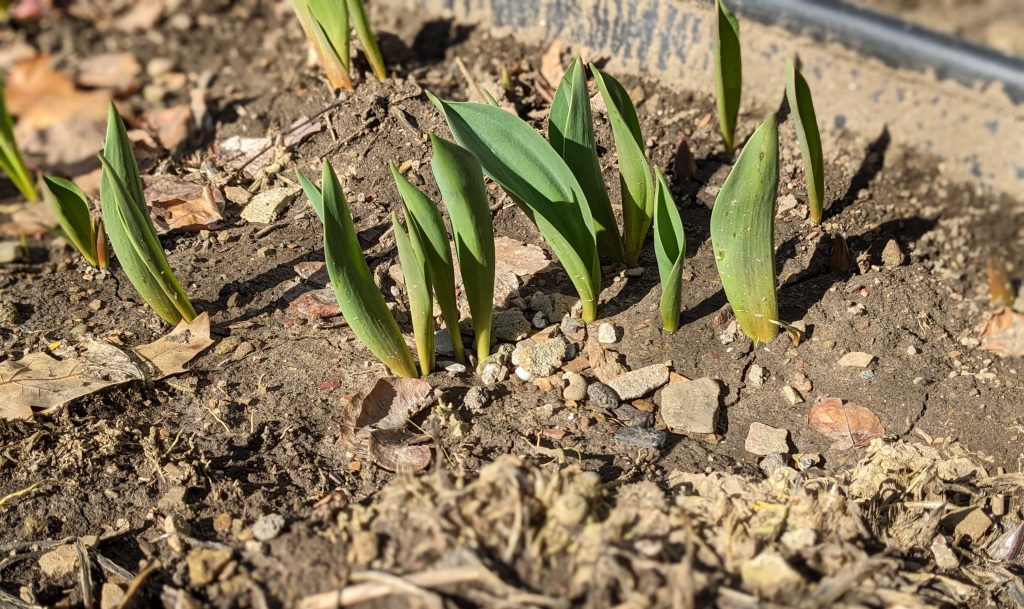
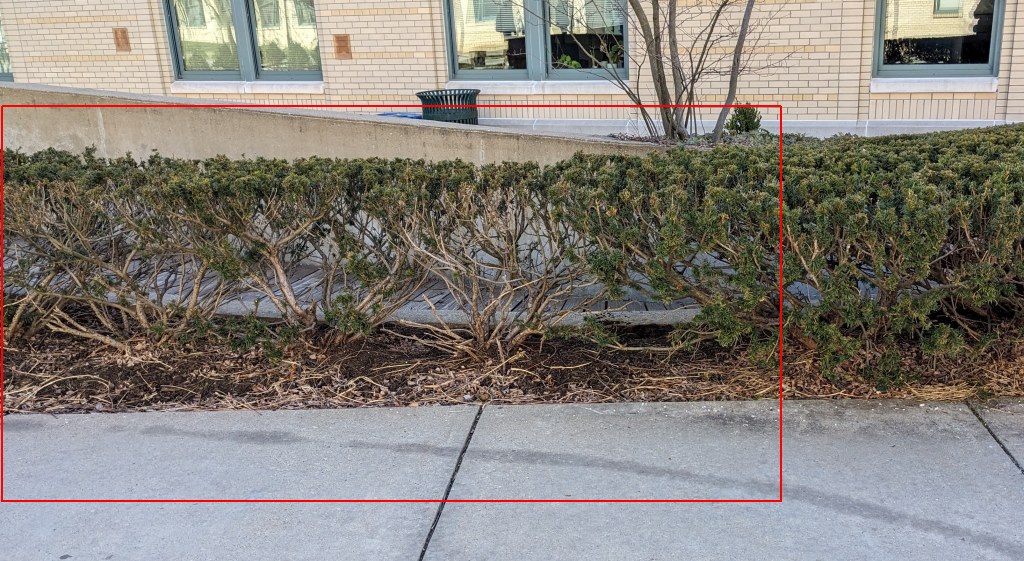
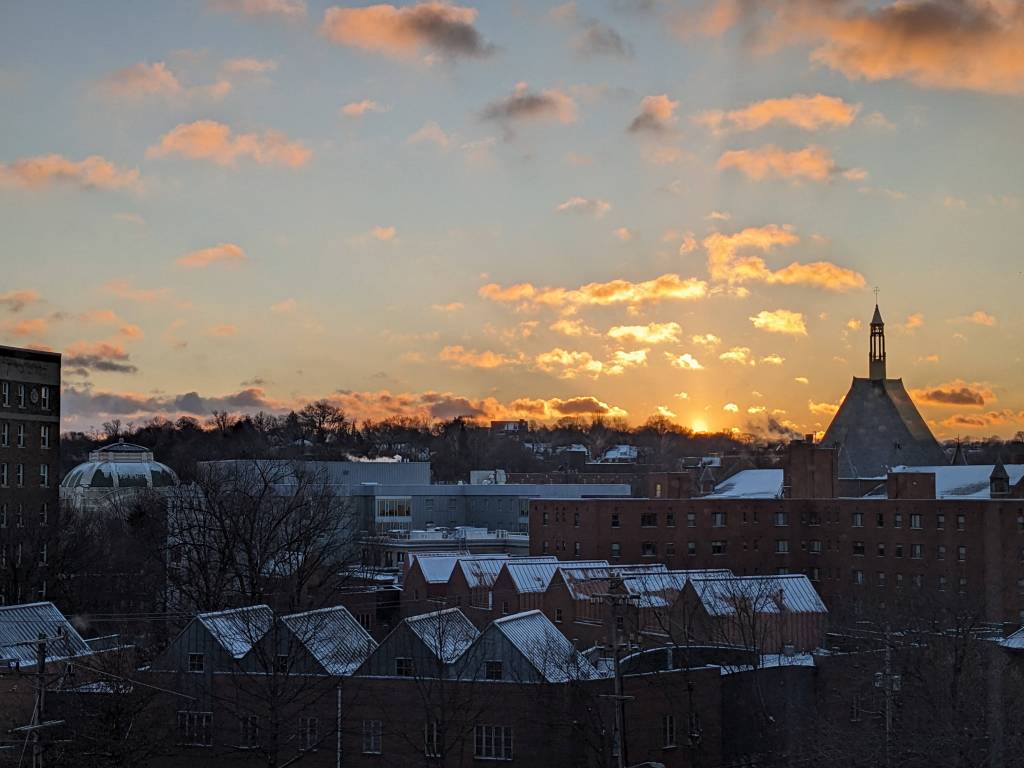
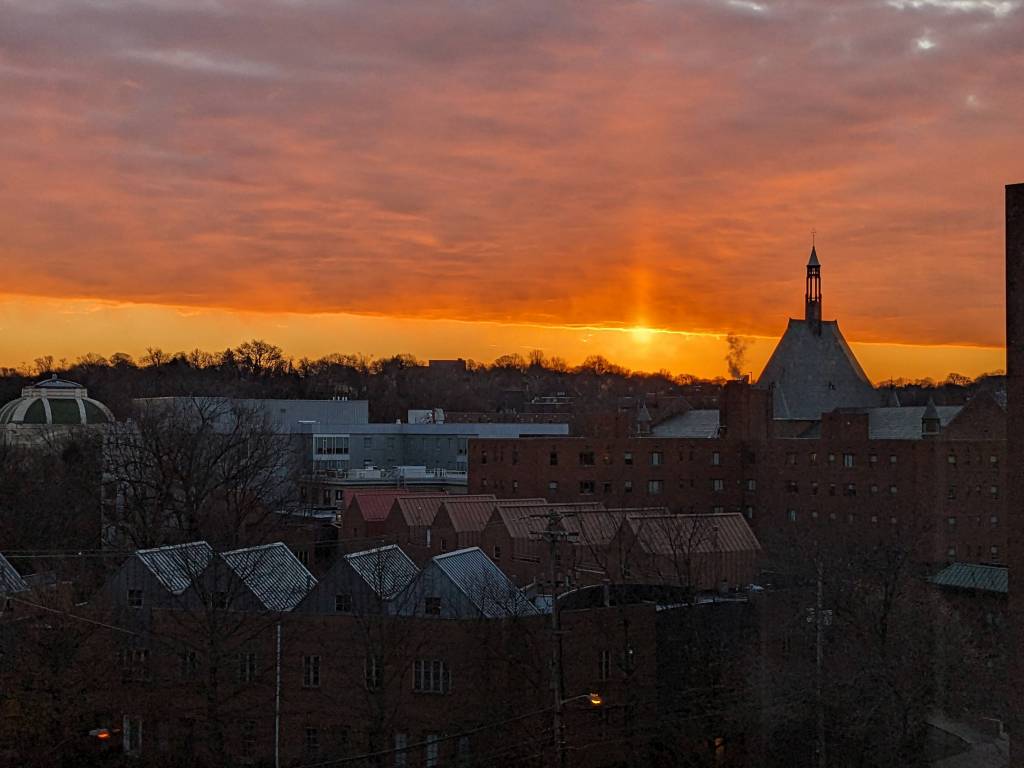
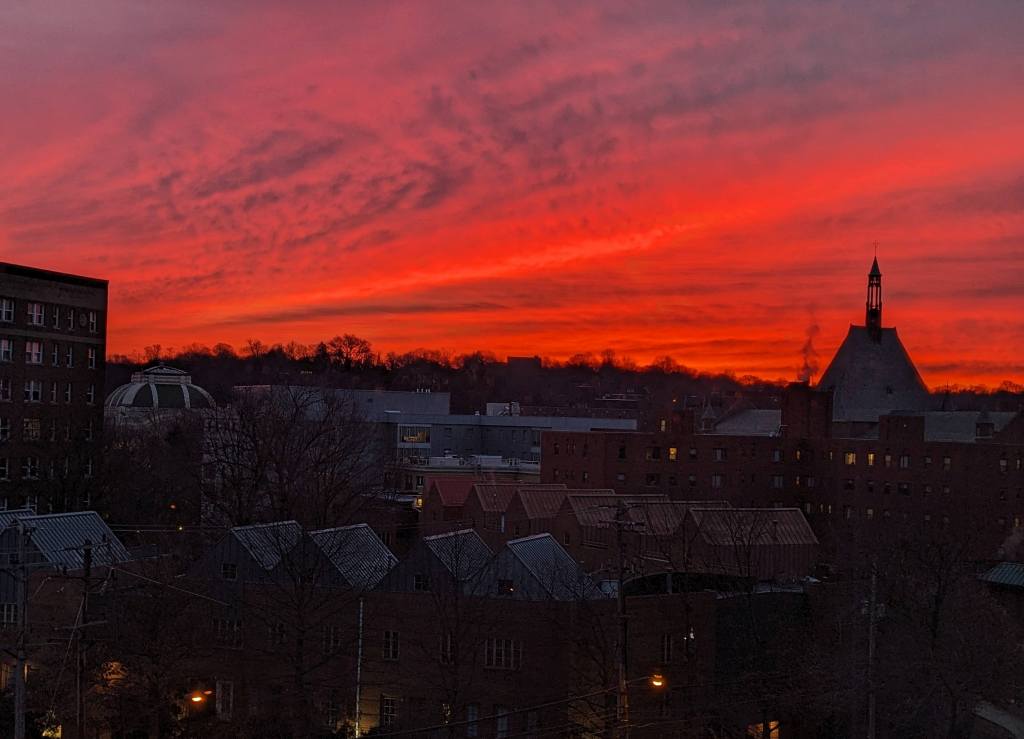
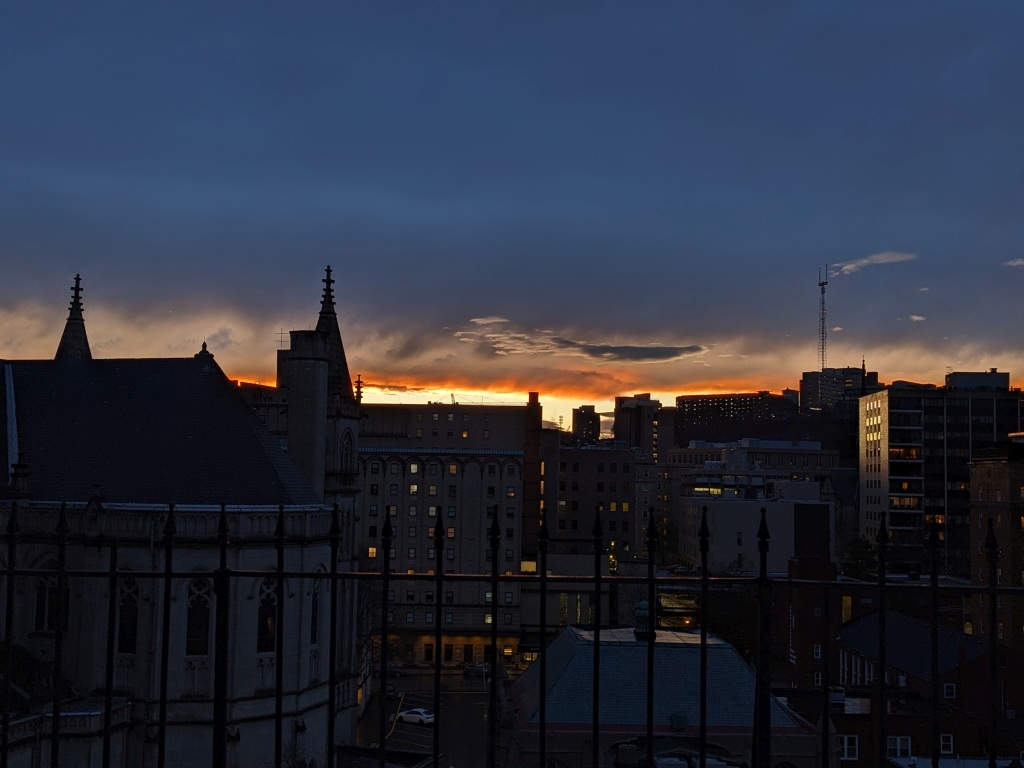
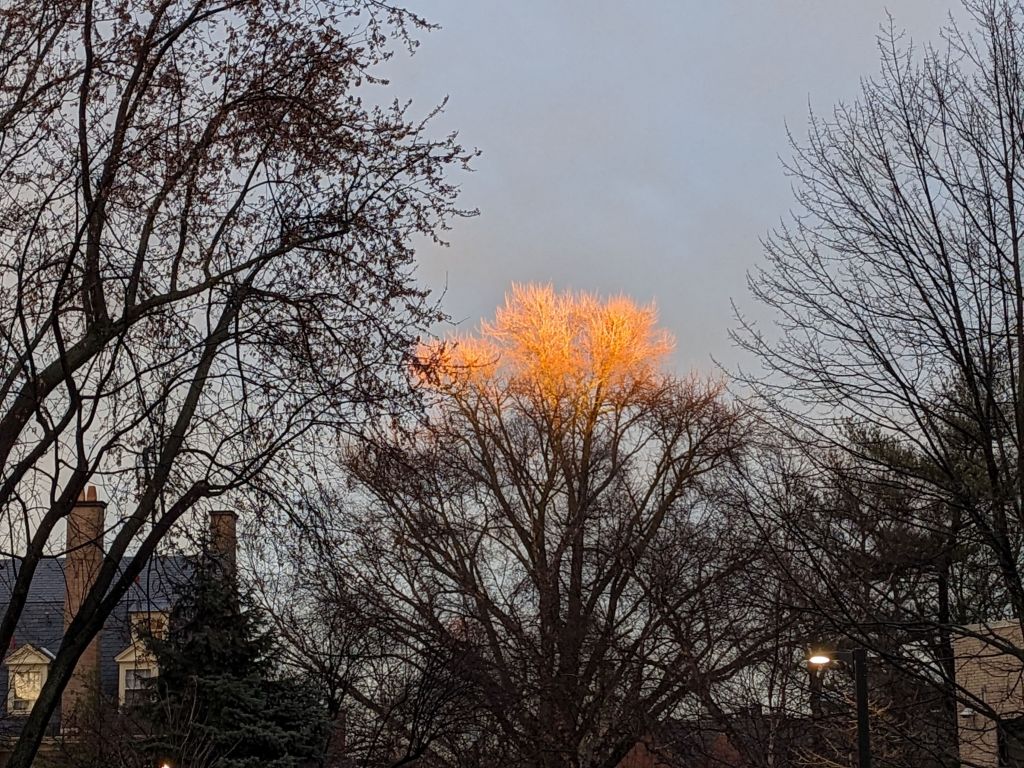
Last week the trees put on their best apparel, all decked out in flowers. The weather was fine - not cold like today. Here are some memories from last week’s beautiful weather, captured on my cell phone camera.
An apple tree in full bloom behind WQED’s offices. It looked lovely and smelled sweet, the quintessential flowering tree.
.
.
.
A London plane tree in Greenfield sporting red and green balls. The balls are covered with the tree’s tiny flowers. When the flowers are fertilized, the balls become seeds that break up and float away in the wind the following spring.
This tree is a hybrid of the Oriental plane tree and American sycamore. Many of them were planted in Pittsburgh more than 100 years ago because they are very tolerant of air pollution.
.
.
.

A sugar maple in full flower. From below, its flowers look like fluffy, pale green, hanging leaves but they are actually bunches of small flowers suspended on long stems. They are pollinated by both insects and wind.
And yes, the pollen count was high last week.
.
.
.
Mar
31
2008
It was almost 60o today in Pittsburgh. When I got home from work the crocuses had started blooming in my back yard.
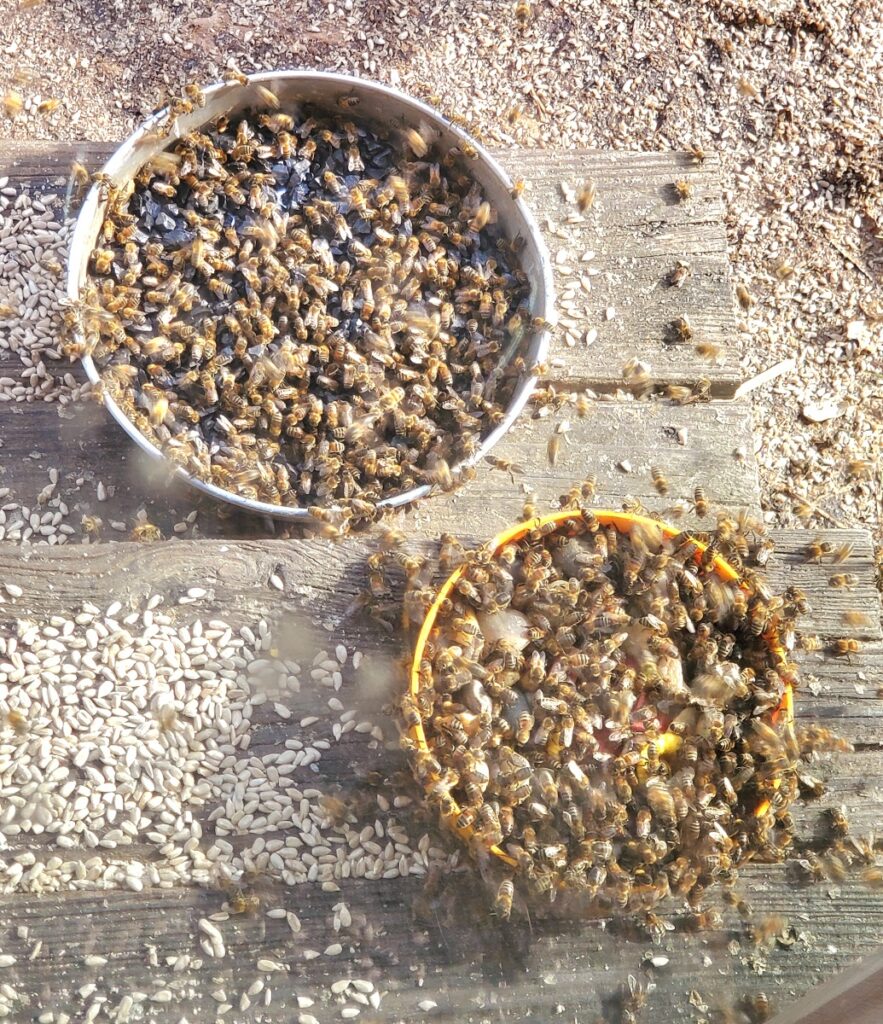
Marcy Cunkleman’s yard in Indiana County gets more sun so her flowers started blooming last week. And with the flowers came the honeybees.
Thanks for the photo, Marcy.
Mar
29
2008
Today’s weather is gorgeous so I did some long-needed yard work.
While I knelt in the garden American goldfinches visited my thistle feeder. That’s when I noticed the males are changing into their spring clothes.
In winter both sexes of goldfinches are dull yellow with no black cap. Right now they’re midway into breeding plumage as you can see in this picture by Marcy Cunkelman.
The females (bird on left) don’t change color very much but the males molt the dull feathers and grow bright new yellow ones. The male at bottom has changed halfway and already has a black cap. The male at top right has almost finished changing.
By the time the golfinches are completely “gold” again, spring will be here.
Mar
14
2008
Weather: We had an east wind today - not good in this land where the prevailing wind is from the southwest. Eventually the wind dropped and it began to rain steadily. I took a picture at 5:00pm near the Cathedral of Learning. Dreary, dreary sky. Not a good day for watching birds.
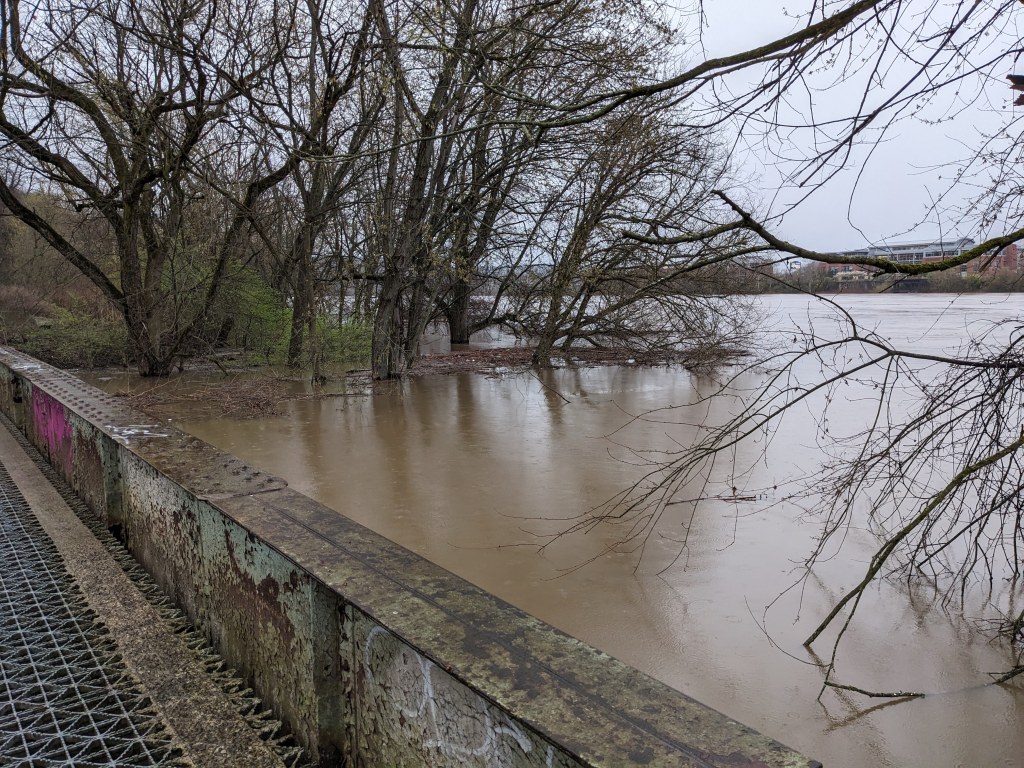
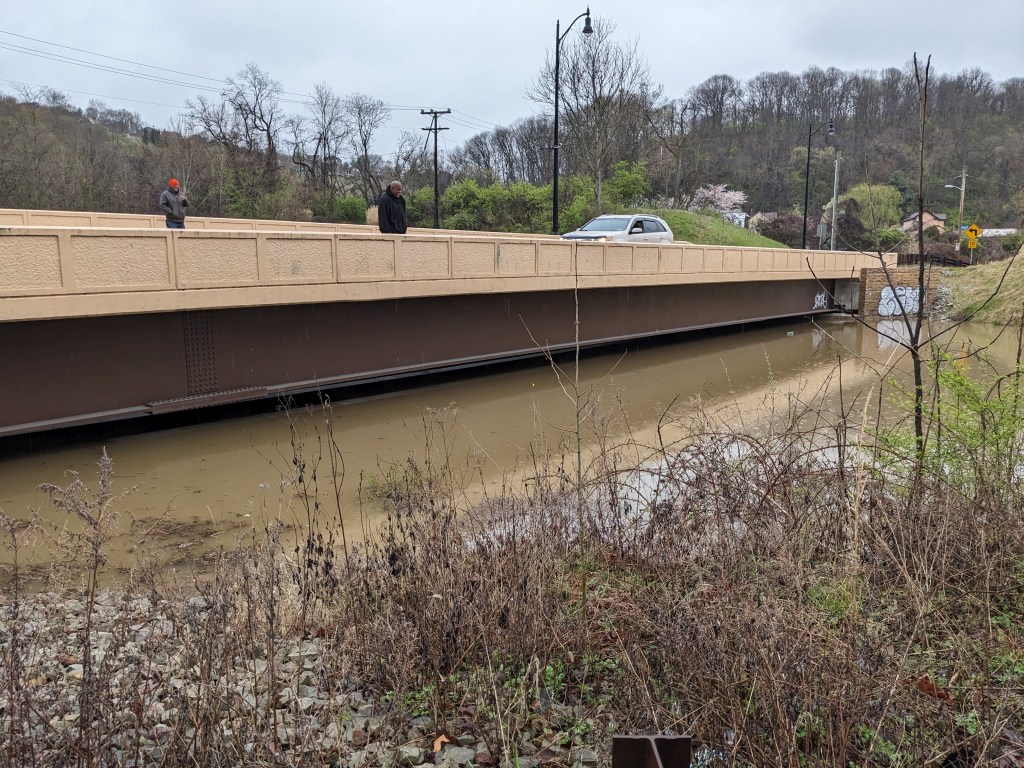
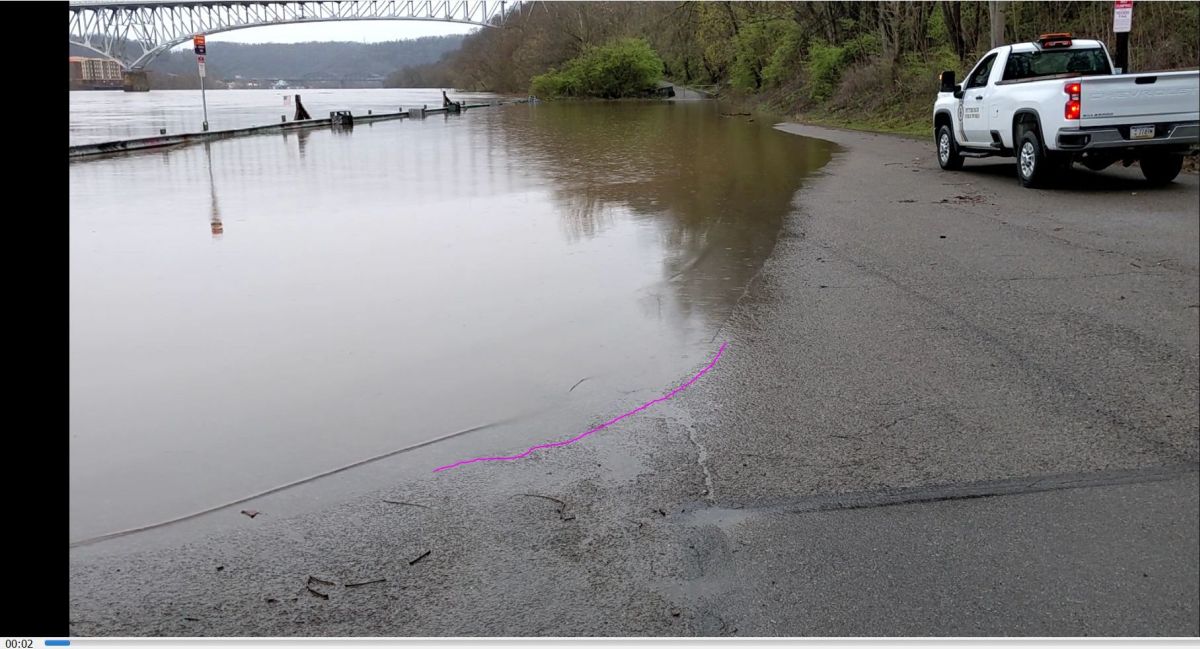
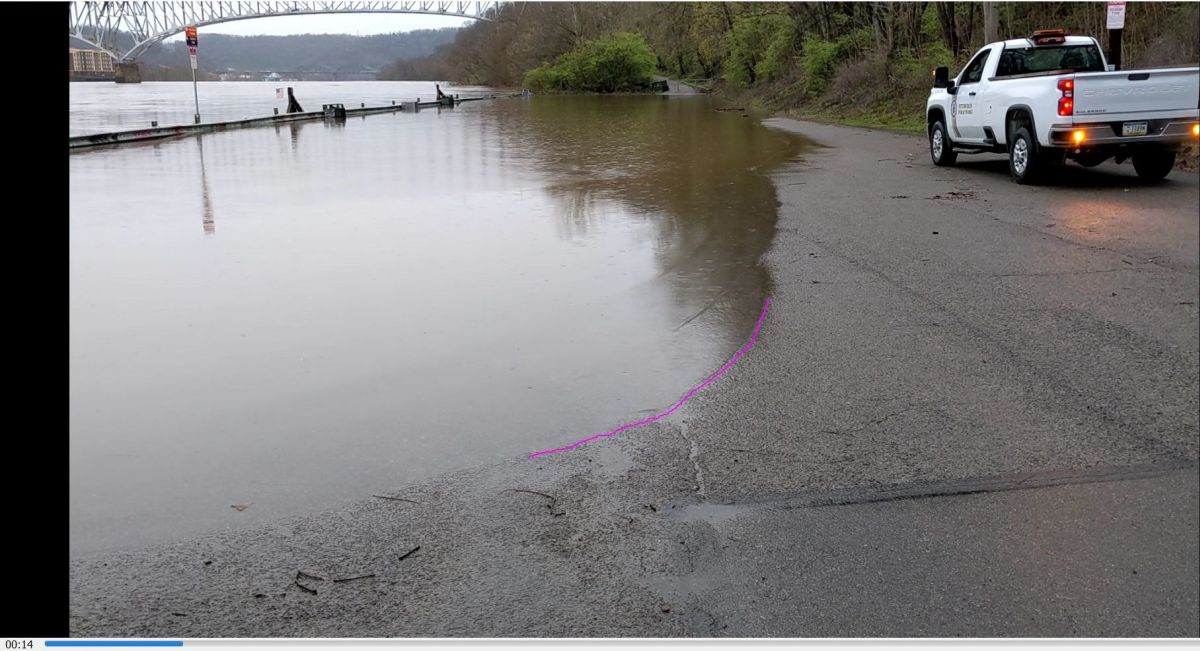
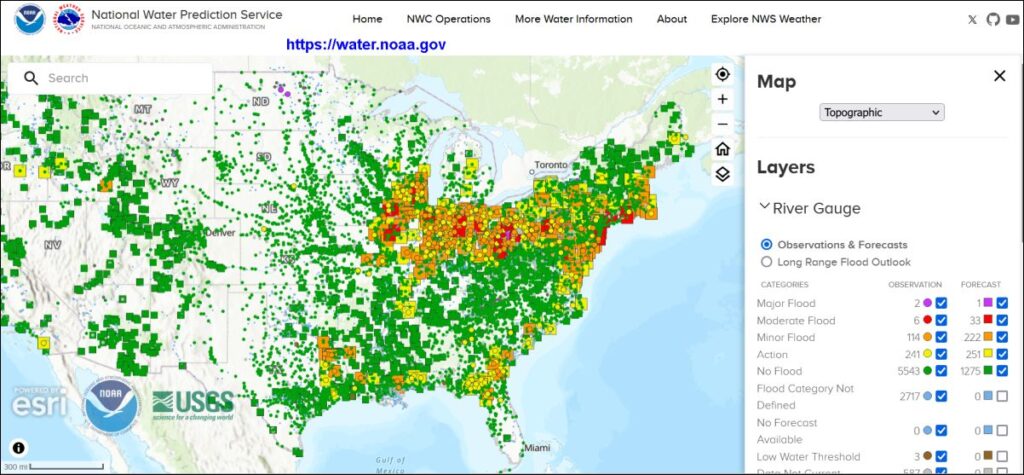
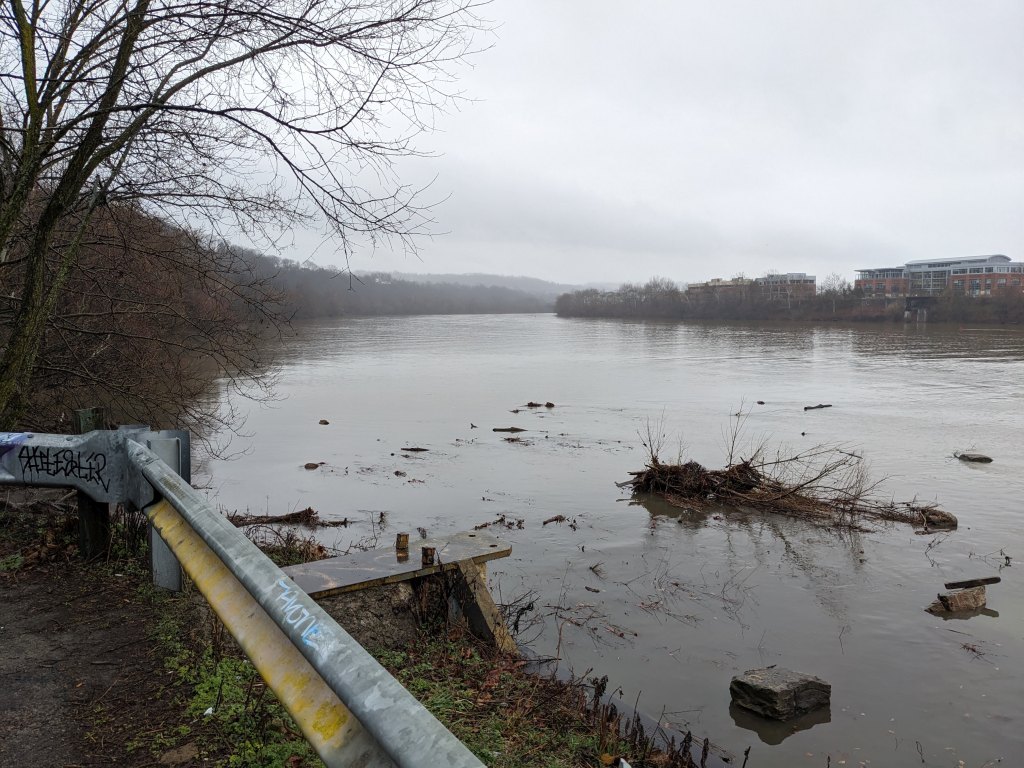
As of yesterday Pittsburgh’s precipitation was 2.39″ (that’s 37%) above normal for the year - in only 10 weeks. No wonder the rivers are in flood.
Meanwhile my car developed a leak in the driver’s side door that made the carpet into a squishy, water-seeping bog. I had it fixed today… I hope.
Crows: Bonnie Jeanne Tibbetts brought an NPR story to my attention called “Taking Over the World One Crow at a Time.” Apparently Josh Klein invented a box that teaches crows to pick up loose change in exchange for peanuts. I have no idea if he’s tried it on wild crows yet, but I’d love to be there when he does.
Bird song: As the days lengthen, more birds are singing every day. Yesterday was a good day to hear cardinals, robins, song sparrows, house finches, goldfinches and the mockingbird at Pitt.
Feb
20
2008
Another cold night in Pittsburgh. Tomorrow morning it’ll be only 10 degrees.
As I walked home this evening I passed a brush pile on Forbes Avenue and heard the thin ‘zee’ of white-throated sparrows calling to each other. I couldn’t see them but I’m sure they will shelter there tonight to stay warm.
To some of you a brush pile may look like “junk” but to a songbird it’s a life saver, providing protection from bad weather and predators.
My friend Marcy Cunkelman is a great gardener and has made her yard both beautiful and bird-friendly. For the songbirds, she constructed several brush piles. The birds love them.
As you can see in Marcy’s photo, the coopers hawk - who eats birds - is very interested in the brush pile. Perhaps he can see the songbirds hiding there. Marcy tells me he sometimes tries to dive in to scare the little birds out of it, but they are safe inside.
Tonight they’ll be in there out of the wind, fluffed up to stay warm. Brrrr!
Feb
12
2008
No birds anywhere. It’d been snowing since last night with 4″ on the ground and it still keeps coming. The snow is deep at the peregrine nest, but no footprints in the snow today.
Temperatures are rising and the weatherman predicts we’ll have freezing rain by 2:00pm.
I walked to work, partly because I like walking in snow and partly to avoid driving in it.
The only interesting bird I saw was a red-tailed hawk sleeping on a branch behind our building. He looked headless because he had tucked his head into his back feathers.
The commute home - even on foot - will be interesting.
Feb
01
2008
We had sleet and freezing rain overnight. Fortunately the ice was not very thick and by dawn the temperature rose so it’s merely raining now.
The crows flew over my house later than usual this morning. I wonder if the ice affected their roost.
The trees were beautiful before the rain began.
Jan
21
2008

What a cold night! Temperatures in the single digits! Again I thought of how the birds are coping with cold.
Chuck Tague’s beautiful picture of Canada geese made me wonder how they can swim in near freezing river water and stand on ice for hours. It turns out that birds have special adaptions to keep themselves warm.
Feathers are one big advantage. Not only do they naturally conserve heat but the feathers closest to a bird’s skin are downy. Birds fluff their feathers to expand the down when the weather’s cold, making the little birds look like butterballs.
You can see the effect of feather insulation at this link showing infrared photos of a parrot on a person’s arm. The person’s arm looks “hot” but the parrot’s body looks “cool” because its feathers are such good insulation.
Another cold weather advantage for ducks and geese are their waterproof feathers and a layer of fat under their skin. The fat keeps them warm in cold water and their feathers keep them dry.
This leaves the problem of warming their feet. Birds can tuck a foot up under their feathers but this is impractical for very long.
So how can geese stand on ice in their bare feet? Water birds have an unusual circulatory system in their legs and feet. The veins and arteries in their legs are intertwined so that cold blood leaving their feet is warmed by the arteries delivering warm blood. (Open the comments below for a more accurate explanation from Dr. Bledsoe of Univ of Pittsburgh.)
Perhaps this means birds’ feet are a little colder all the time, but it doesn’t bother them. The advantage is that their central body doesn’t have to cope with cold blood returning directly to their hearts.
We humans don’t have these advantages so my feet are mighty glad they’re indoors right now.
Jan
08
2008
For the past two days it has been “unseasonably warm” here in Pittsburgh, but to me it feels unnatural. The highs have been in the upper 60s, warmer than we keep our house at this time of year. This is even more remarkable because it was 13oF five days ago.
The weather reminds me of a comment made by a young Finnish friend of ours who visited Pittsburgh in July many years ago. As we sat outdoors after dark watching a softball game under floodlights, Oüti said she had never been outdoors when it was both hot and dark. The sun hardly sets in the summer in Finland so being warm after sunset was unusual for her.
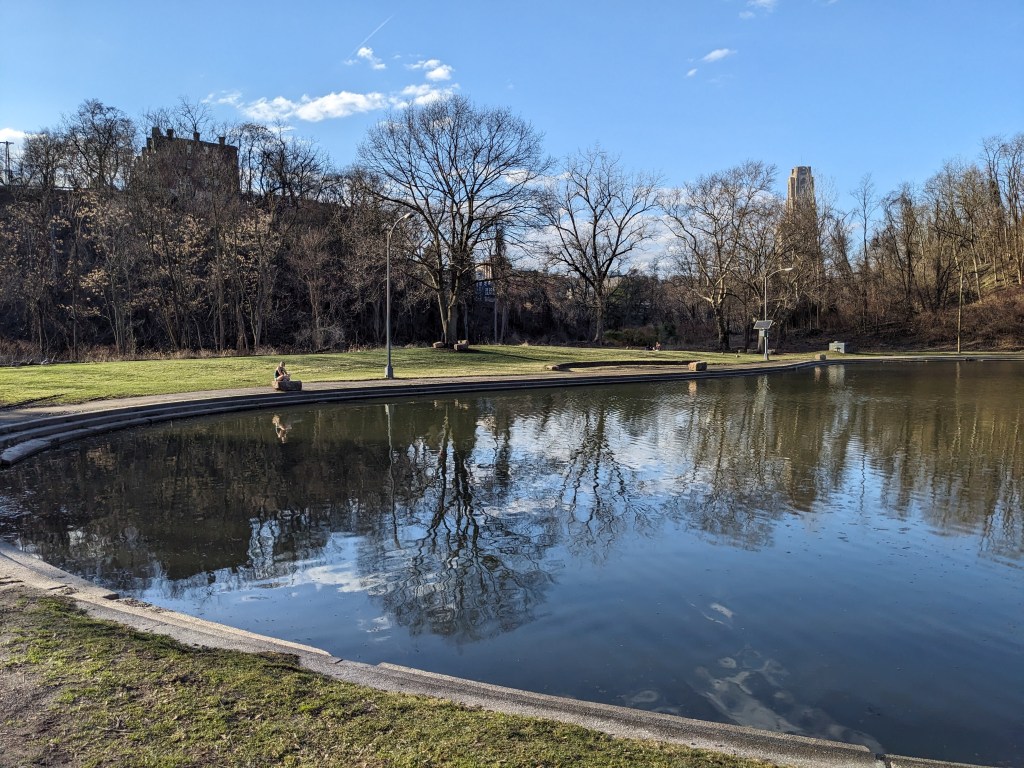
Well, this weather feels the same way. The sun set just after 5:00pm today but it feels like the end of March. By that measure, the sun should have set after 7:30pm and it would not have been both hot and dark during rush hour when I took this picture in Schenley Park.
I do appreciate that it feels good to stroll outside and that the birds sing in the morning. It just unsettles me a little.
Jan
04
2008
Scattered snow flurries. High 22oF. Low 12. That was the forecast and the birds were eating like crazy.
On days like this I think about the challenges birds face outdoors. They are outside in every kind of weather and have to cope with it, no matter what. It turns out that eating is the best defense against freezing to death. Food is the fuel they burn to stay warm.
The birds we see in Pittsburgh in the winter are those who eat the kinds of food we still have available. Sparrows, cardinals and woodpeckers eat seeds, suet and dormant insects. Hawks and owls eat rodents and other birds. Starlings, crows and gulls eat anything, including garbage.
The colder it is, the more they have to eat to stay warm, In Winter World: The Ingenuity of Animal Survival by Bernd Heinrich I learned that “if [golden-crowned] kinglets go without food for only one or two hours in the daytime, they starve (and freeze) to death.” Birds burn up enormous amounts of calories to stay warm.
In the worst of winter I try to help the seed-eaters, and indirectly the hawks who eat them, by putting out bird seed. They are all grateful to have found an easy source of food. I have tried commercially made suet (animal fat with added bird seed) but it’s not popular with my avian visitors. Marcy Cunkleman makes her own suet from scratch and it’s a great success. You can tell by her photo of a plump red-bellied woodpecker at her feeder.
We humans are now largely insulated against the rigors of coping with cold. We have built permanent shelters and figured out how to use fire to heat them, whether directly through burning wood, oil or gas or indirectly by burning coal for electricity.
But I think our bodies have not forgotten our ancestral past when we lived outdoors all the time. As winter comes we eat more and cook more. No wonder the holidays are so replete with food. No wonder we eat so much and then vow to go on diets in the new year. Now that I understand how cold triggers eating, I know why those diets are so hard to accomplish in January.