Archive for the 'Migration' Category

Apr 19 2012

Mass Migration

Last Friday I took the day off and visited Presque Isle State Park.  It felt like a mini beach vacation to walk along the shore of Lake Erie and pretend I was at the ocean.

With the waves lapping at my feet I paused to gaze north.  I knew that Long Point, Canada was more than 25 miles away but it was beyond the horizon, invisible.

Suddenly I noticed that butterfly after butterfly flew from behind me and headed straight out over the open water.  They were brown, orange and white and they flew very fast, zigzagging on their way.

What was this steady stream of butterflies?  Red admirals.

Red admirals (Vanessa atalanta) live in temperate Europe, Asia and North America.  They cannot survive winter’s cold so they migrate south in the fall.  In the U.S. Red Admirals overwinter in south Texas.  In March they start their journey north.
How long would it take for these delicate creatures to cross Lake Erie?  I estimated I would have to run to keep up with them so I guessed they were traveling 7 miles per hour.  If they flew due north they’d reach Long Point in 3.5 hours, but they were headed northeast, a trip of 50 miles to the mainland of Canada.  This long route would take them more than seven hours.  It was 3:00pm.  They would arrive at night.

What I saw was only the beginning.  By Sunday the south winds and warm temperatures had triggered a mass migration.  From the Presque Isle Hawk Watch, Jerry McWilliams reported to PABIRDS:

“Probably the most remarkable observation was the mass movement of Red Admirals (Vanessa atalanta) flying SW to NE. A conservative estimate of the butterflies moving past the watch was 25 individuals per minute making the total estimate of the count around 5500 butterflies!”


The photo above matches what I saw.  The fall brood of Red Admirals is brown like this.  Those hatched in spring/summer are blacker.

(photo by Daniel Herms, The Ohio State University, Bugwood.org)

3 responses so far

Apr 13 2012

Why Birds Get Here Last

Published by under Migration


Earlier this week Libby Strizzi sent me an email with this ruby-throated hummingbird migration map and the question:  Why are the hummingbirds everywhere but here?

The map from hummingbirds.net is shown above with a black circle I drew to highlight the absence of hummers.  Hummingbirds have been seen east, west and north of northwestern Pennsylvania but not in the “hole.”

I’ll bet this is because northwestern PA is not on any spring migration flyways.

Migrating birds use four aerial “highways” to reach their breeding grounds in the spring.  Pennsylvania is fed by the Atlantic Flyway.  You can see this on the map below by Melissa Mayntz, linked from birding.about.com.


Notice the “hole” in northwestern Pennsylvania where the migration highway splits into two streams.  Early migrants are probably following the main highway and not stopping in PA’s northwest corner.  Other migrants fill in the gap but they arrive later.

And notice that two flyways meet in northwestern Ohio at Lake Erie.  Two sources of birds!  That’s why birders flock to Magee Marsh, Ohio in May.

We’ll just have to be patient.  They’ll get here when they get here.

(Hummingbird map from hummingbirds.net.  Flyways map by Melissa Mayntz, linked from birding.about.com.  Click on each map to see the original in context.)

2 responses so far

Apr 10 2012

Out of Synch

After stunningly warm temperatures in mid-March, Nature hit the pause button and produced lower than normal temperatures for more than a week. That hasn’t been enough to halt the onward march of plant development.

Trees are leafing out four weeks early and the insects that eat them are hatching too.   Tent worms are a case in point.

Eastern tent caterpillars (Malacosoma americanum) feast on trees in the Rose family, especially wild cherry, apple and crabapple.  Last summer the female moths laid their egg masses on the branches of host trees.  The eggs remained dormant all winter and then, just as the hosts’ buds began to swell, the eggs hatched and the larvae began to spin their tents.  In the past this happened in early May.

This year I saw the first tiny tent on April 1 at Moraine State Park.  A week later I found this much larger tent crawling with activity.

Most birds won’t eat tent caterpillars because they retain cyanide from the host plants but cuckoos eat them with relish.

Black-billed and yellow-billed cuckoos spend the winter in South America and time their arrival to coincide with the emergence of eastern tent caterpillars.  A few yellow-billed cuckoos have been seen in the Gulf Coast states but the bulk of them aren’t in North America yet.  The leaves and tent caterpillars are four weeks ahead of schedule but the cuckoos are not.

What will happen to the cuckoos when the tasty caterpillars they expect to find have retreated to cocoons?  What will happen to our trees if this causes an excess of caterpillars?

Nature is out of synch.  Some things can cope, some cannot. We’ll just have to wait and see.

For more information on climate change’s effects on bird migration listen to this interview with Powdermill’s Drew Vitz on The Allegheny Front.

(photo by Kate St. John)

2 responses so far

Apr 02 2012

A Little Late, A Lot Early

Pennsylvania birders were treated to a surge of ducks last weekend when Friday night’s storm forced migrants to stop in our state to wait for better weather.  The migration fallout was especially large on Saturday.

A day late, I went to Moraine State Park hoping to see a few stragglers.  There weren’t as many ducks on Sunday but I found a nice variety:  ruddy ducks, buffleheads, horned grebes and five long-tailed ducks.

My own notes indicate that long-tailed ducks usually come through our area about a week earlier, approximately March 25.  This group was a little late, but I was too, so our paths crossed.

Meanwhile, the plants and insects are still early even though our weather has moderated.

A week ago, on March 25, I found this large-flowered bellwort blooming at Barking Slopes.  It usually blooms around April 25 so it was one month ahead of schedule.

A little late.  A lot early.

What will happen next?

(photo of long-tailed ducks by Steve Gosser, photo of large-flowered bellwort by Kate St. John)


One response so far

Mar 23 2012

Uh Oh!

Published by under Migration,Phenology

Welcome to Day 11 of June-in-March.  The heat feels nice, huh?  What could go wrong?

Yesterday I found red oaks starting to bloom in Schenley Park a month ahead of schedule (photo above).  This should be happy but something is missing.  The rose-breasted grosbeaks aren’t here to eat them.

Long ago I learned from Chuck Tague that rose-breasted grosbeaks move north as the oaks bloom, perfectly timing their arrival to coincide with their favorite migration food — oak flowers.

But right now the grosbeaks are in Central and South America, waiting to fly across the Gulf of Mexico to arrive in Pennsylvania in late April or early May.  They don’t know our oaks are blooming.  The flowers will be gone.

What will the rose-breasted grosbeaks do when they get here?

Uh oh!


(photo of oak flowers by Kate St. John. Photo of rose-breasted grosbeak by Chuck Tague)

10 responses so far

Mar 15 2012

Singing In The Dark

Published by under Migration,Songbirds

The robins are here!

Migrating flocks of American robins swept north overnight and arrived in Pittsburgh in the dark.  They’re pausing to tank up before continuing their journey north.

In the morning I see them everywhere but I know they arrived, even before dawn, because  I hear them singing in the dark.

The big flocks began arriving Monday night.  Lots of them and more every day.

Because I live in the city I miss hearing another great nighttime sound — spring peepers — so the robins are my only spring night cue.

I do wonder, though, what happens where both robins and spring peepers occur.

Do spring peepers drown out the sound of robins when they’re singing in the dark?


(photo by Cephas on Wikimedia Commons.  Click on the photo to see the original)

11 responses so far

Feb 29 2012

Massive Canada Goose Migration, 27 Feb 2012

Published by under Migration

From PABIRDS, Wed Feb 29, 2012

Hi All,
With all the reports of waterfowl migration I thought some of you might be interested in the report below from a York Co friend.
Ann Bodling,  Accokeek, MD

“At about Ithaca (Cornell) the major river flyways converge – Delaware River groups have already merged with Susquehanna River groups, who have already merged with the Potomac groups and they merge further with the Mohawk and Hudson groups. They take this enormous sweep to the northwest and so folks in NY state and Ontario have seen the most amazing show. They arc across Canada once clear of the the Great Lakes.

I heard from my cousin Steve in Ottawa that city streets came to a halt Monday and yesterday as these enormous flocks actually dimmed the sun! People got off buses and out of their cars to watch. Ornithologists are remarking that this may be the largest single mass migration in the last 150 years. The storm front has certainly helped – these birds are making incredible time riding the currents north so may have left all at once to catch the front rather than fly in staggered waves over weeks.”

No responses yet

Feb 28 2012

Where Are They Now?

Published by under Migration

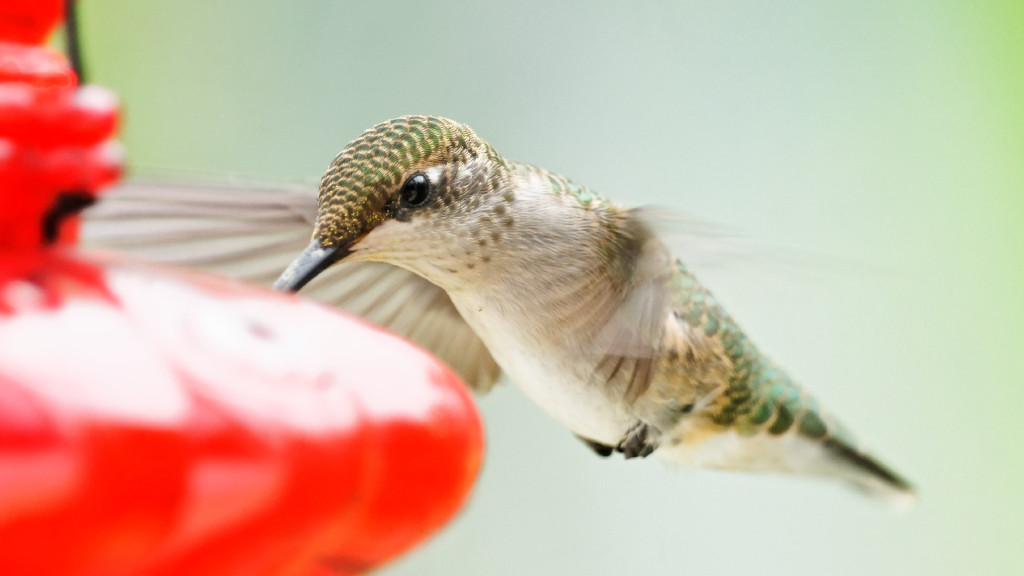
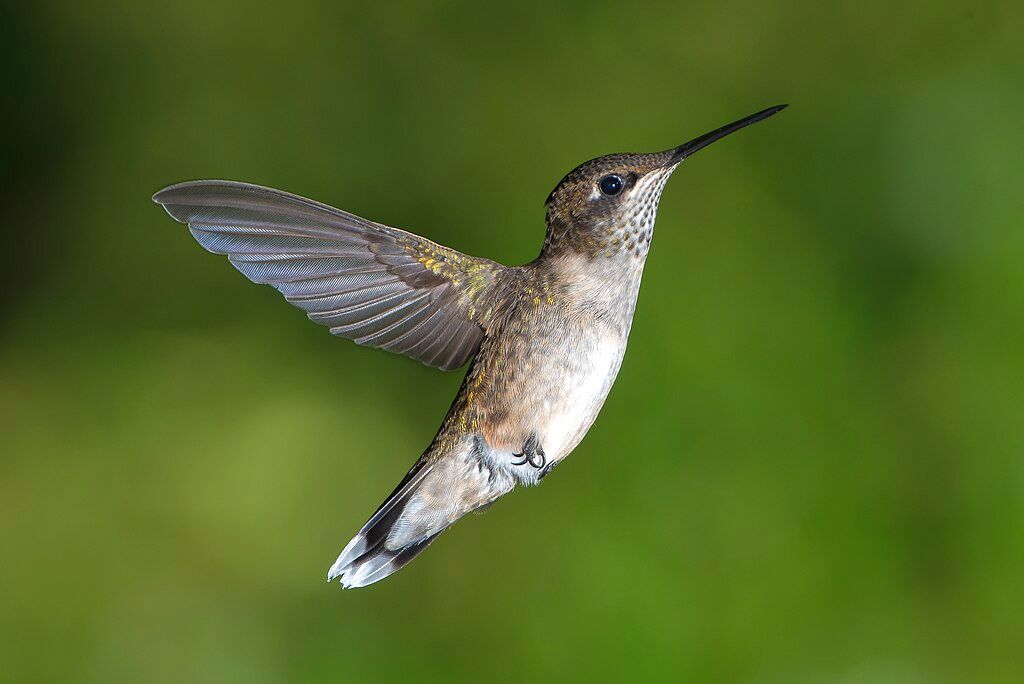
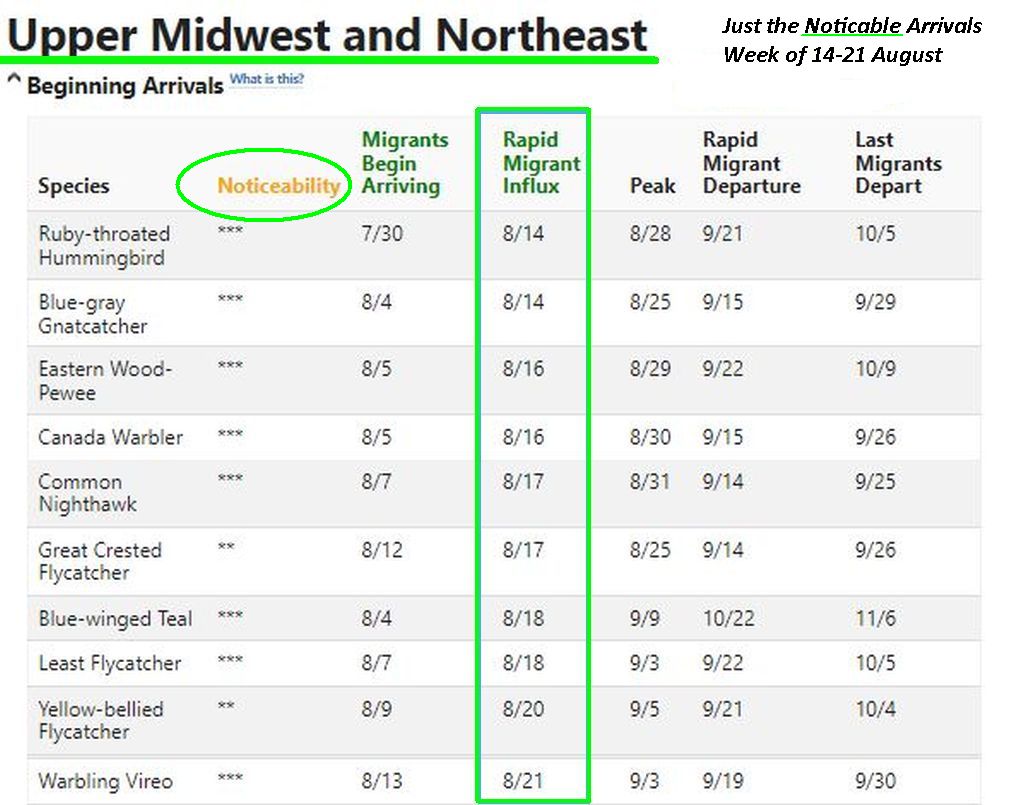
We had another dose of winter last weekend but spring is on its way and with it will come the hummingbirds.

Most ruby-throated hummingbirds spend the winter in Central America but in early spring an internal clock makes them restless to move north.

Dedicated observers have recorded hummingbird sightings on the Journey North hummingbird website since 1997.  Because of this data we know that a few hummingbirds are present in the U.S. all winter and that migrants begin to arrive in early March.

In Florida and along the Gulf Coast, birders and hummingbird banders are prepared for those first intrepid hummers who make an early journey to the States.  Behind the pioneer birds will come a wave of hummingbirds that will wash over Pittsburgh in late April.

The first birds will be here in seven or eight weeks.  Check Journey North’s animated Spring 2012 ruby-throated hummingbird map to find out where they are now.  Check again each week and you’ll be ready when the ruby-throats get here.

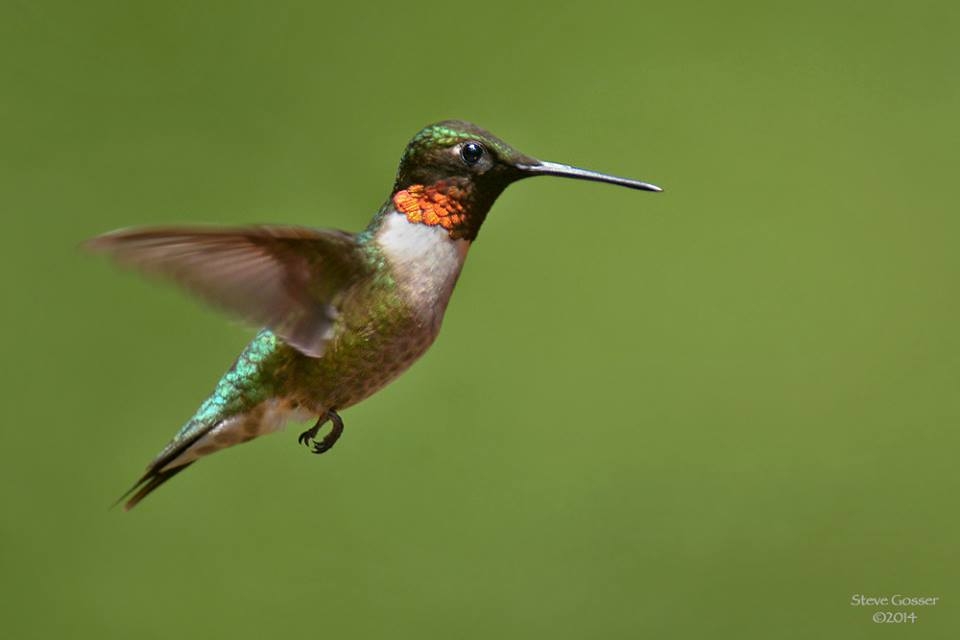
(photo by Marcy Cunkelman)

p.s. Don’t miss Marcy’s story about how she took this picture.  See the first comment below!

5 responses so far

Feb 27 2012

White Birds Heading North


Looking for some bird excitement?  If you haven’t been to Middle Creek yet, now’s the time to go.

At the peak of migration, late February through early March, more than 100,000 snow geese and 10,000 tundra swans stop at Middle Creek Wildlife Management Area near Kleinfeltersville, PA.

Every year the spectacle is different and the numbers fluctuate.  The birds wait for good weather and move north when the lakes thaw.  This winter many Pennsylvania lakes never fully froze so low numbers of geese and swans have been scattered around the state.

Nonetheless, Dave Kerr found plenty to photograph when he visited Middle Creek a couple of weeks ago.  Pictured here are my favorites –  the tundra swans!

Swans are subdued.  Snow geese are not.  When the geese are scared by a bald eagle all of them leap into the air shouting their fear.  The noise is like the roar of a filled football stadium.  The spectacle is amazing.

Dave recorded a short video of it, posted here on his Flickr site.

Barbara Galatti filmed it in February 2009.  Her YouTube video begins before dawn and shows several huge rushes of snow geese.  Turn up your speakers to get the full effect — including the wind!


How many white birds are heading north now?  See bird-count updates here from Middle Creek’s manager, Jim Binder, or this link for directions and tour information.

Visit Middle Creek soon for lots of bird excitement.  Maybe I’ll see you there.


p.s.  This huge snow goose population is beautiful to watch, but it is overwhelming the habitat in their arctic breeding grounds.  To address this, there is now a springtime snow goose hunt as well as one in the fall.  Hunting occurs at Middle Creek Monday through Saturday.  There is no hunting on Sunday.


(photo of tundra swans this month by Dave Kerr.  Video from Middle Creek in 2009 by Barbara Galatti)

4 responses so far

Feb 26 2012

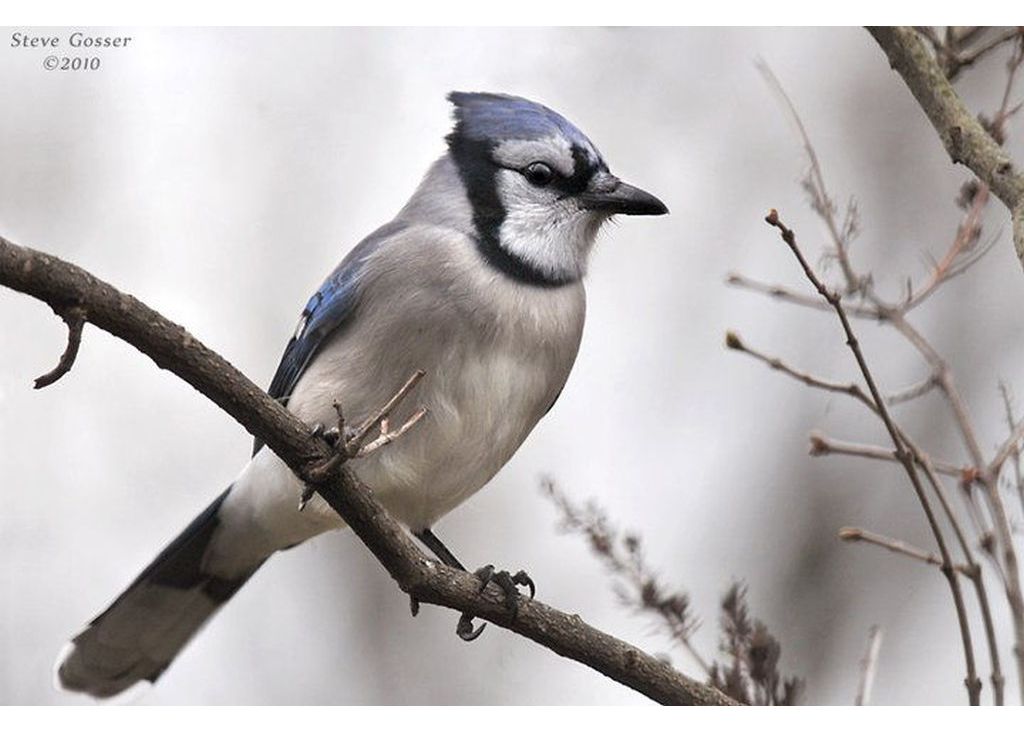
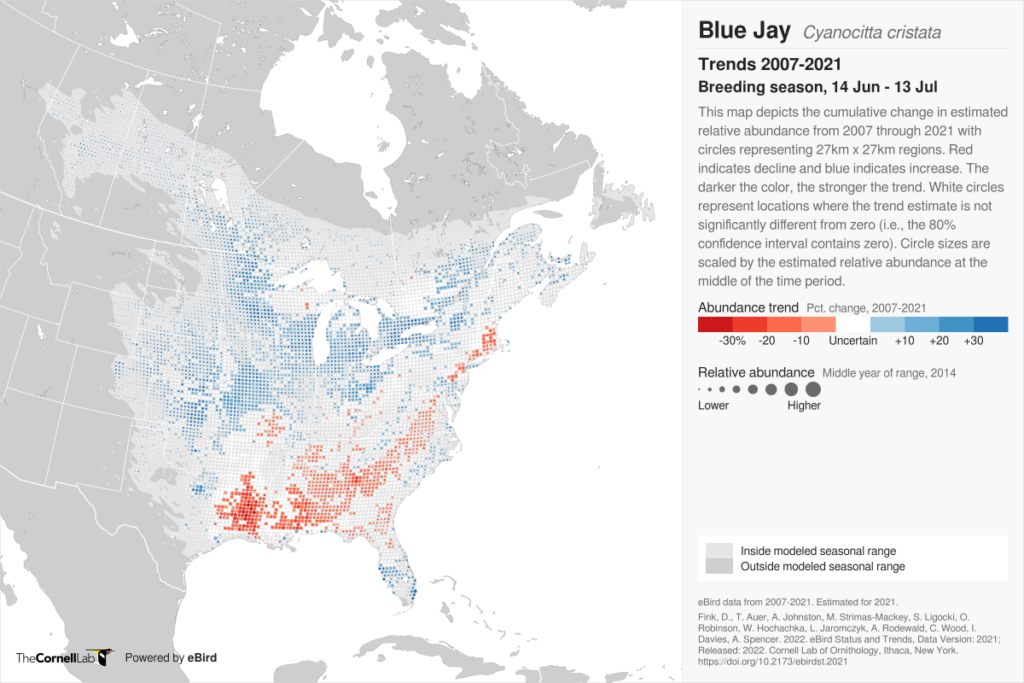
Have You Seen Any Blue Jays Lately?

Published by under Migration,Songbirds

When volunteers compared notes after the Pittsburgh Christmas Bird Count on January 1, someone remarked that they hadn’t seen many blue jays this winter.  Everyone at the Pittsburgh CBC Dinner nodded.

This morning I remembered that remark and looked through my bird observations to see how often I’ve recorded blue jays this winter.

Amazingly I’ve seen them only four times since November 1:  on November 6 and 13 and December 4 and 11.  Three of those observations were at the same spot at Moraine State Park and were perhaps the same individual bird.  Meanwhile, I have not seen a blue jay in Pittsburgh for at least four months.

If the blue jays aren’t here, where are they?

Have you seen any blue jays lately?

(photo by Marcy Cunkelman, prior to 2000)

p.s.  I’ve mapped your sightings on The Blue Jay Report.  See my March 1 blog –> here.

74 responses so far

« Prev - Next »

Bird Stories from OnQ