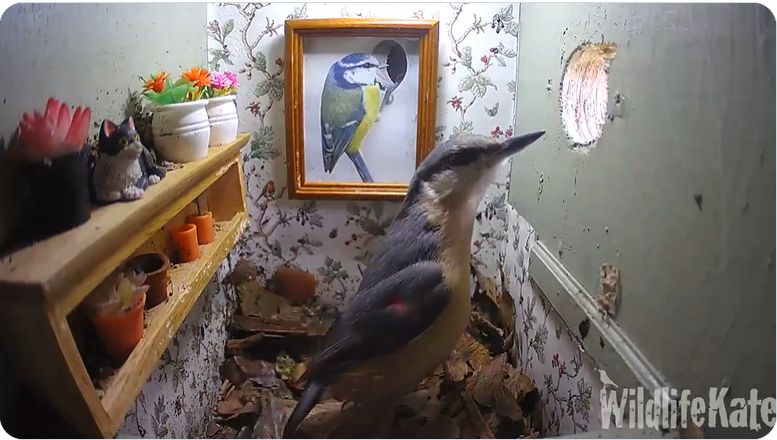
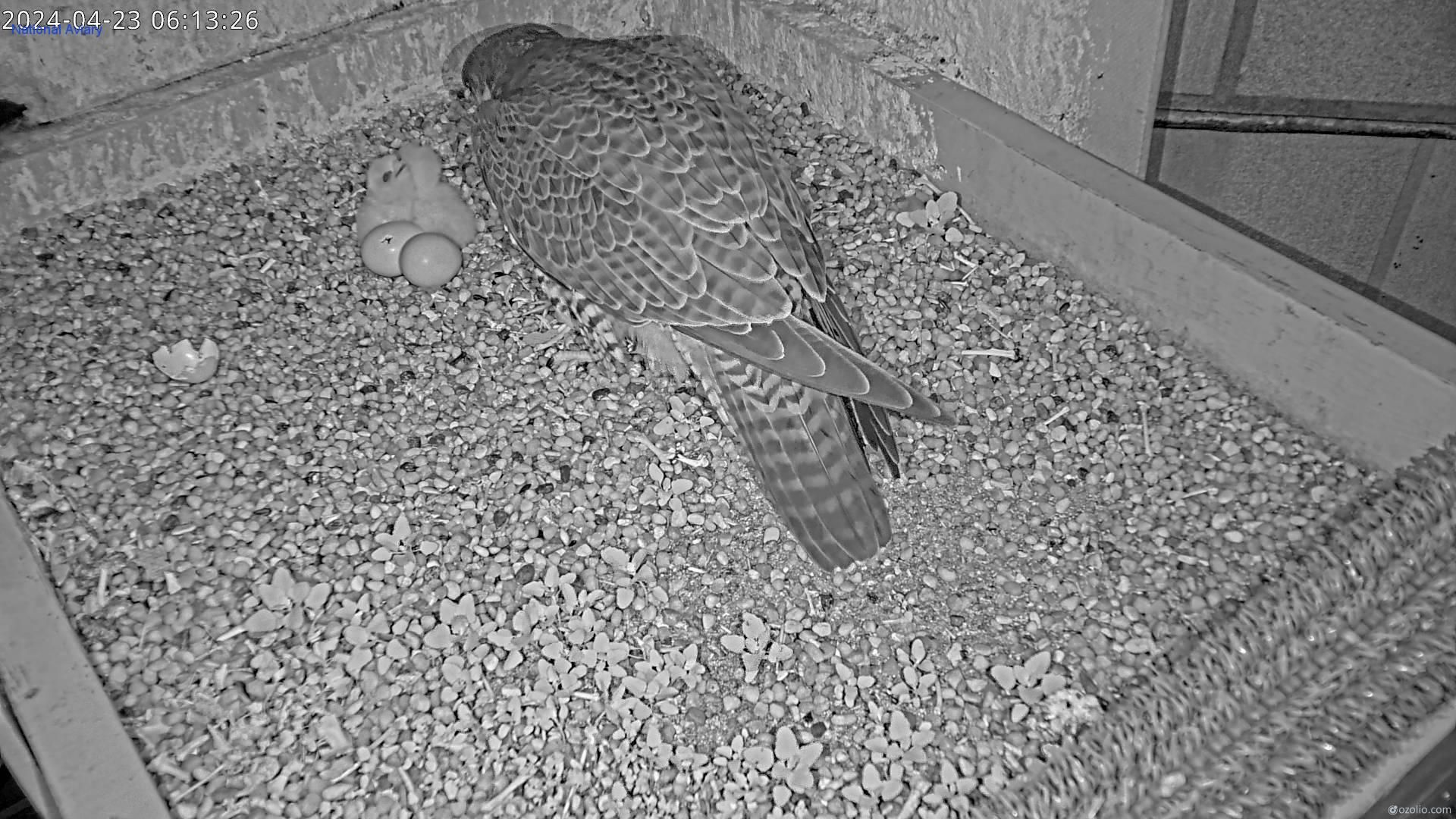
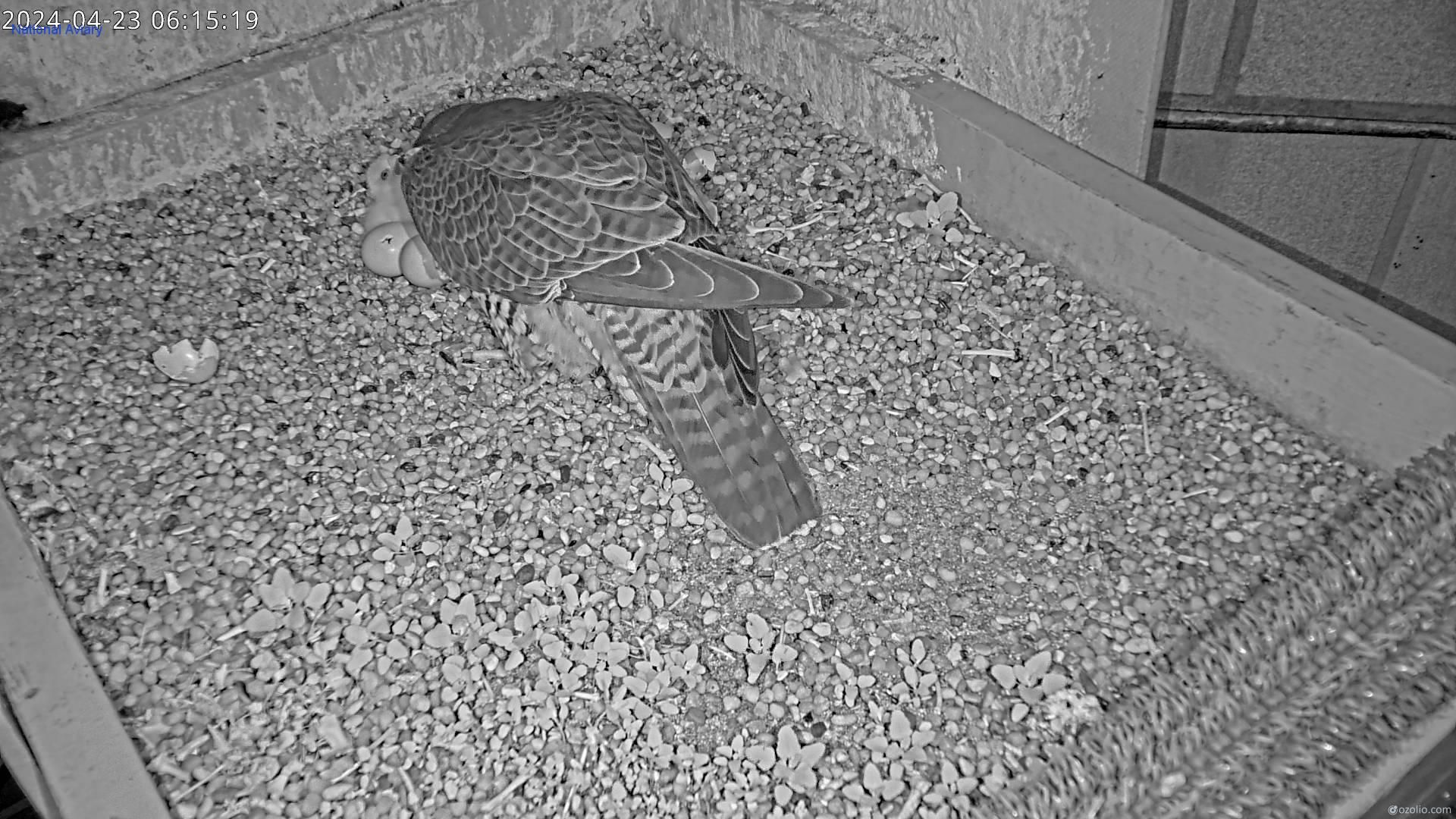
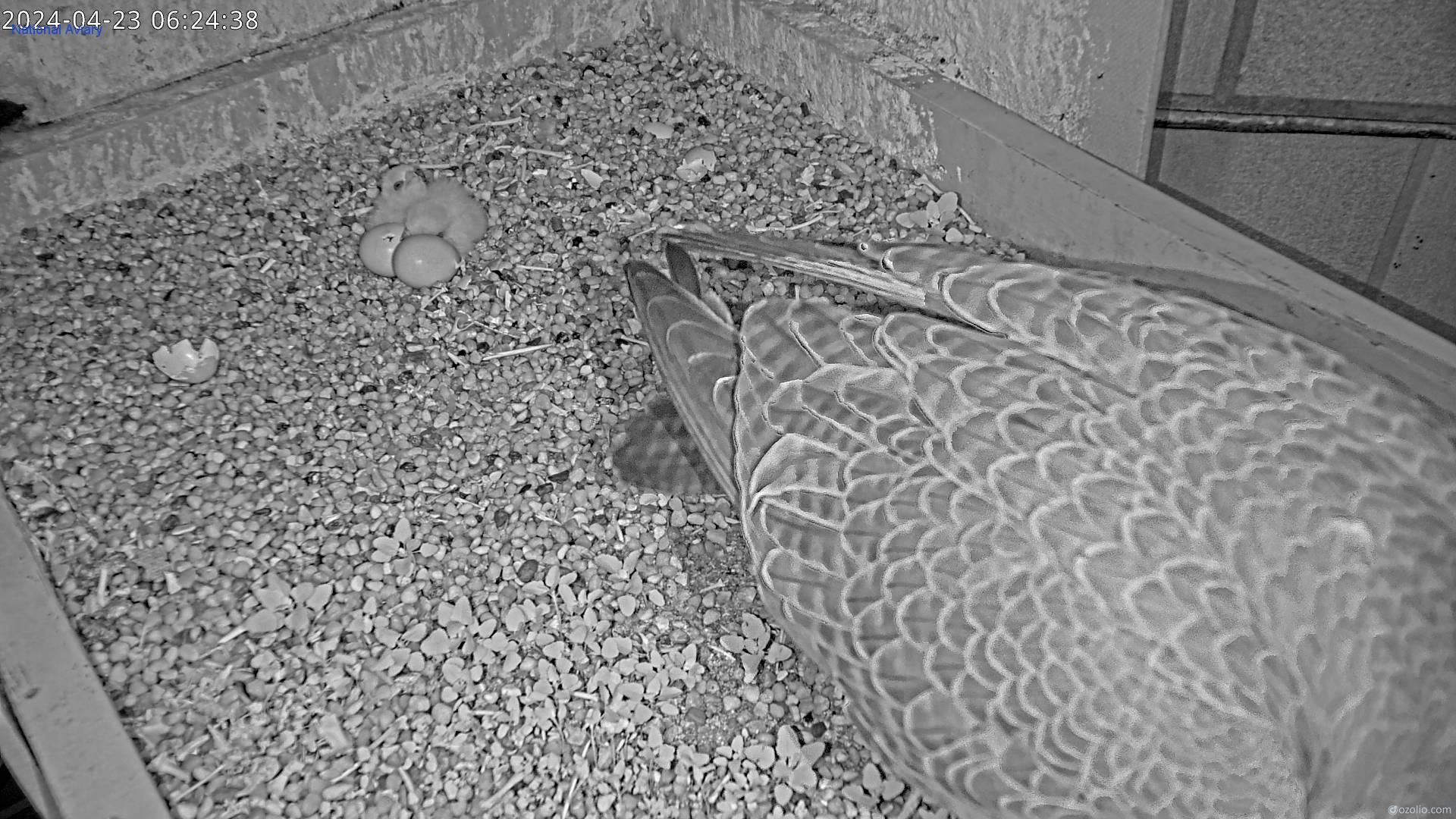
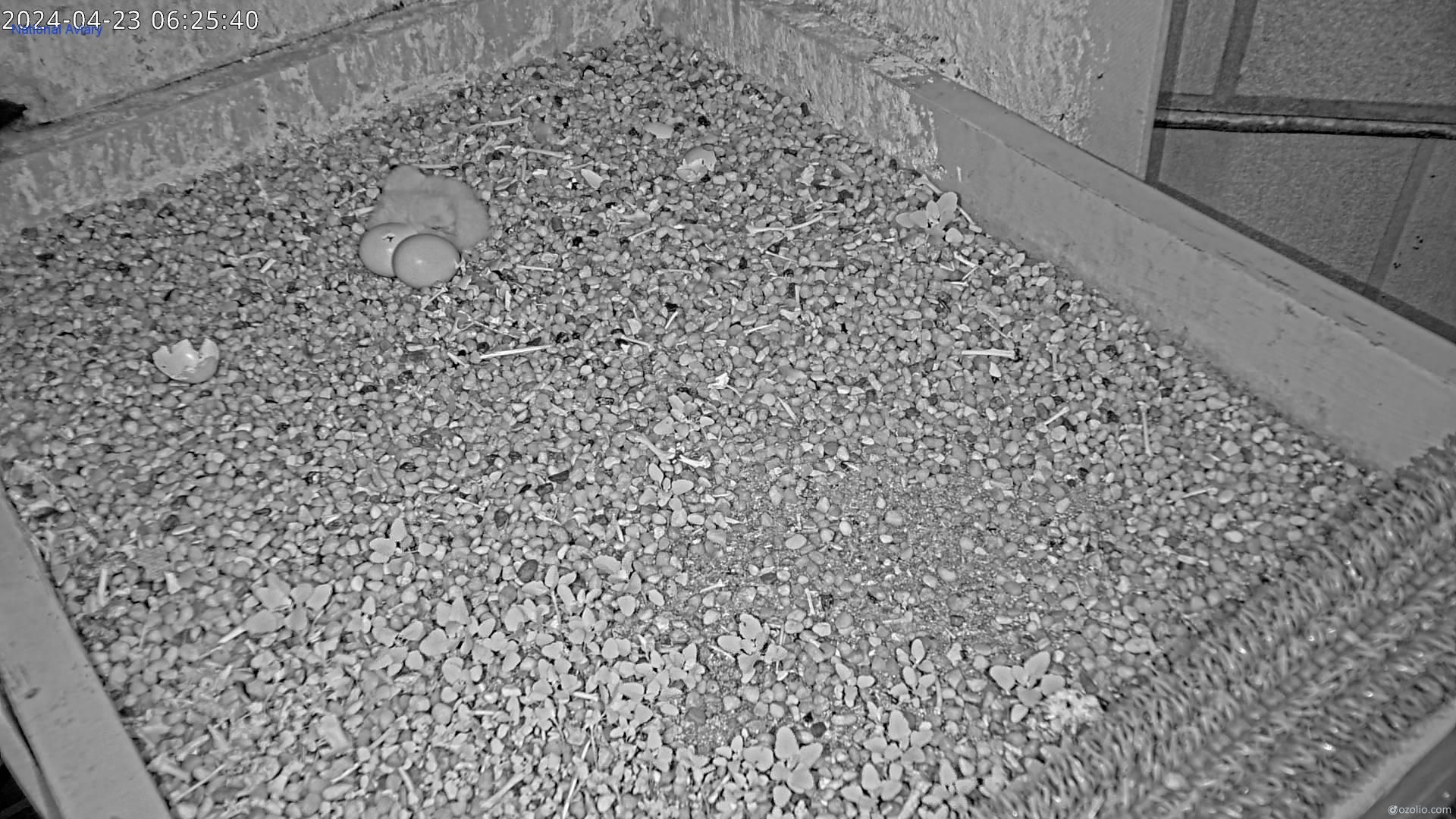
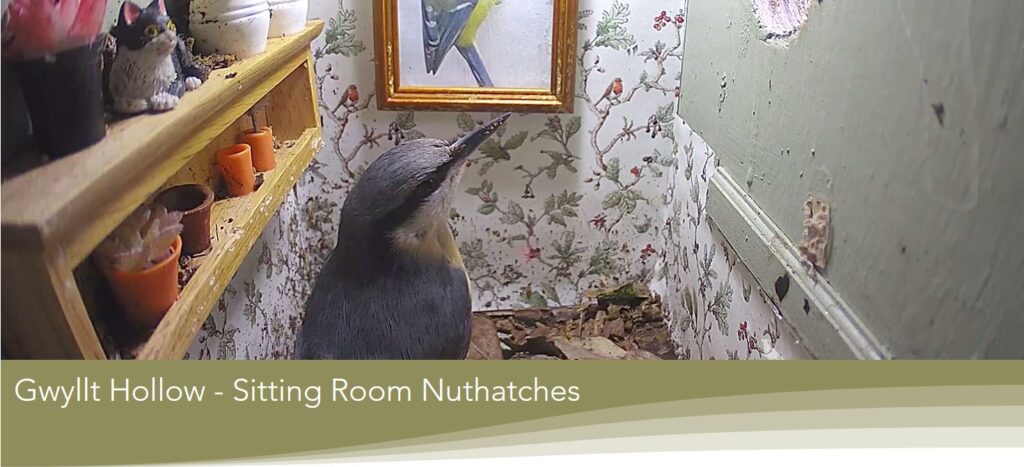
Happy Friday! These unruly nuthatch tenants are now so famous that they were featured on BBC1 6 o’clock News on Wednesday. For added fun there was footage of the tawny owl babies (Strix aluco) who will soon take a look outside their nestbox.
Our fabulous nutty nuthatches and the tawny owls will be appearing on BBC 1, 6 o’clock news tonight, just before the weather! Watch out for them … and me ???????? #GwylltHollowpic.twitter.com/MMtI2rhO33
p.s. to North Americans: Tawny owls don’t occur in North America but they are in the same genus as barred owls (Strix varia) whom they somewhat resemble.
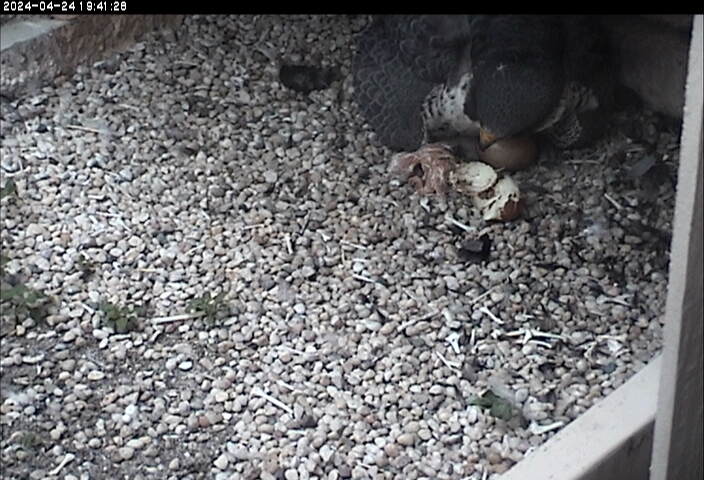
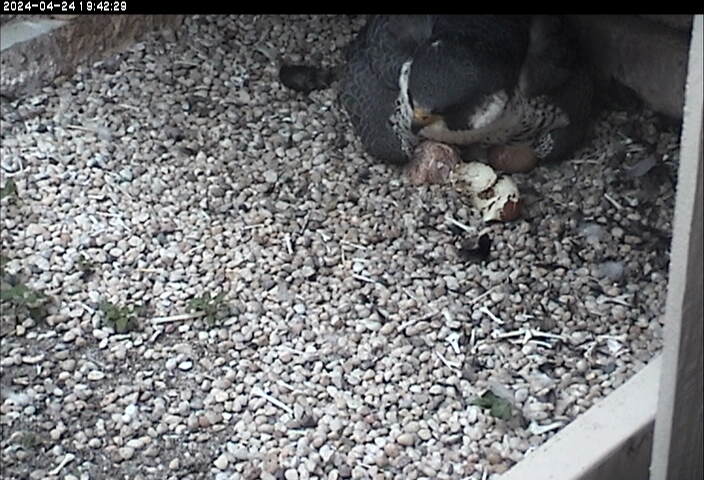
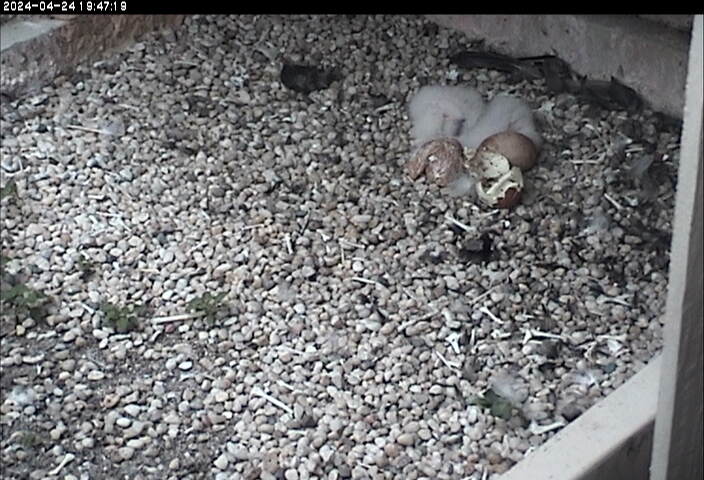
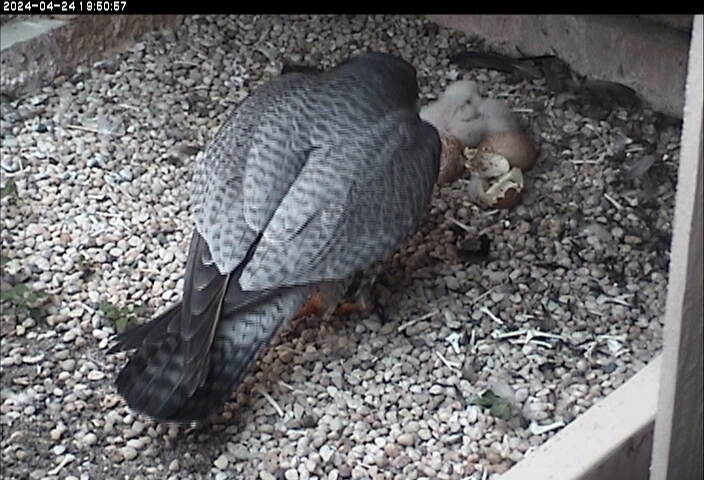
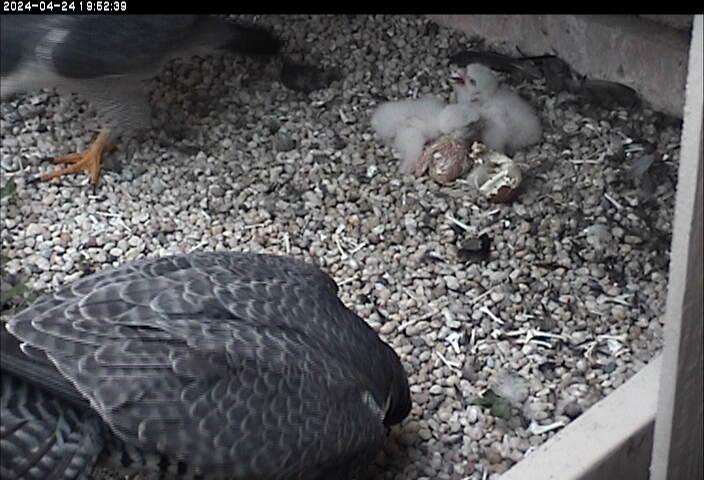
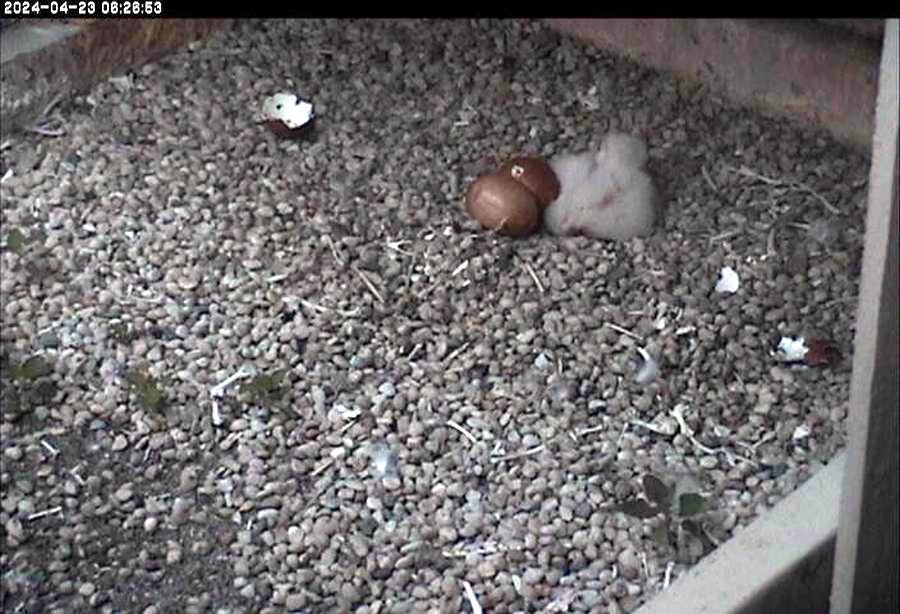
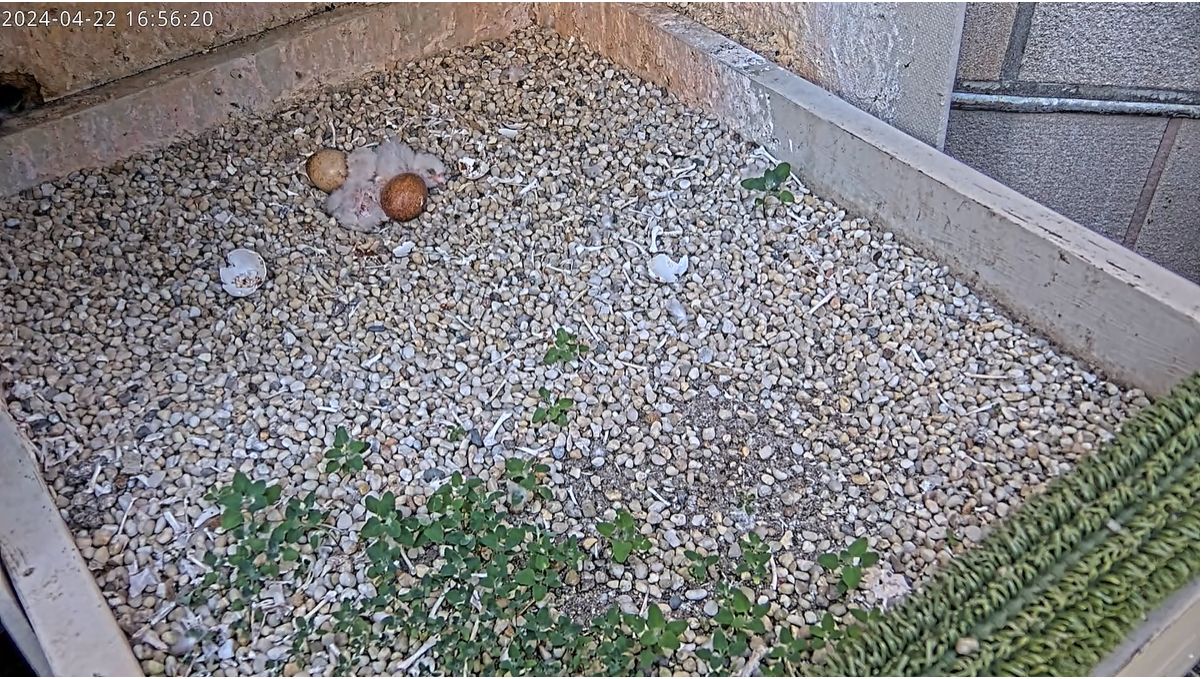
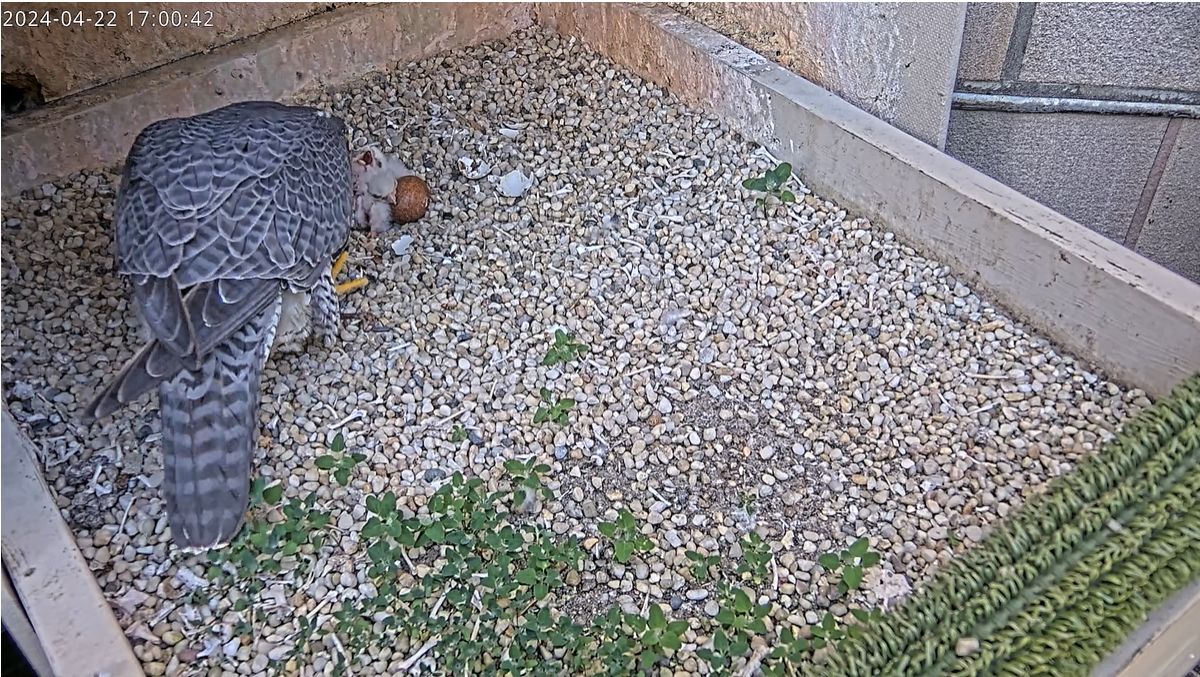
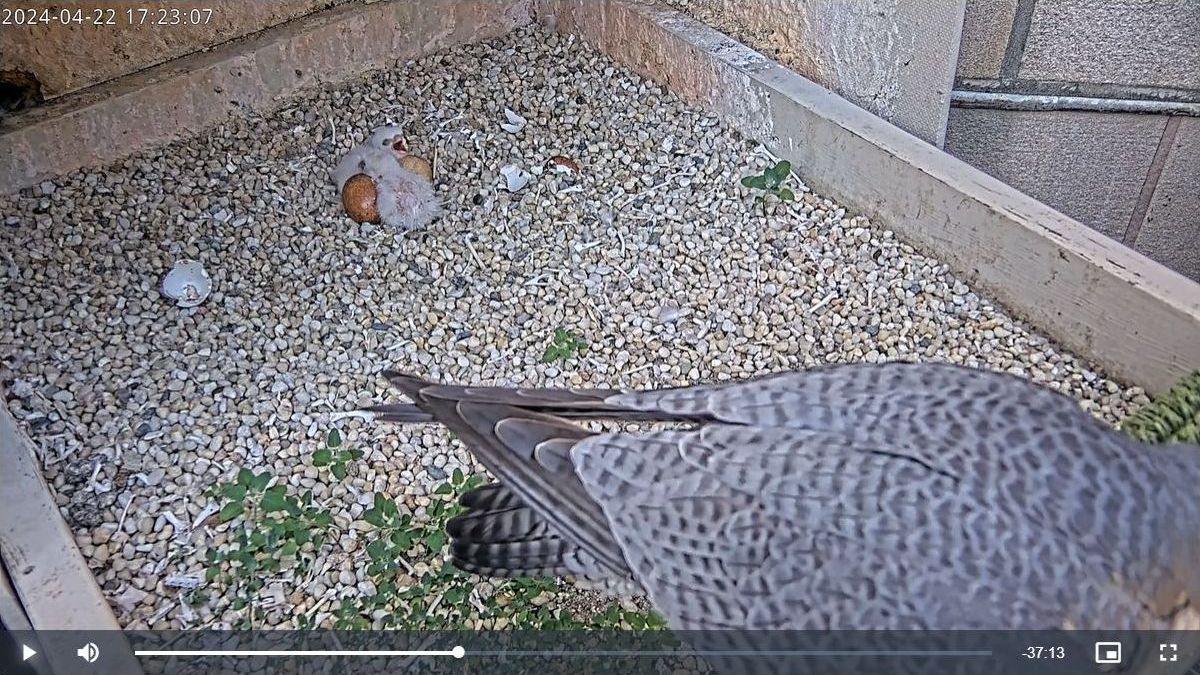
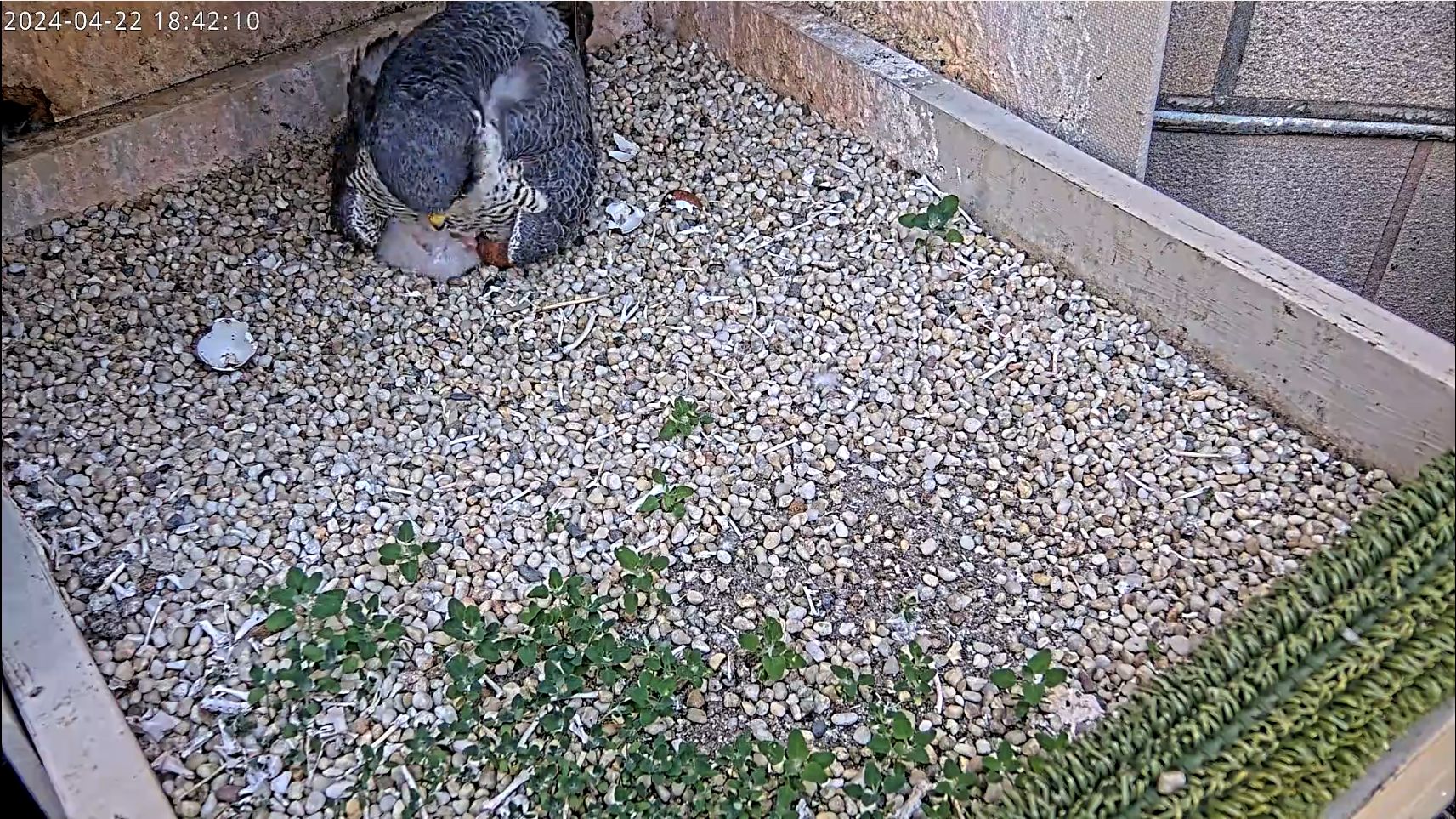
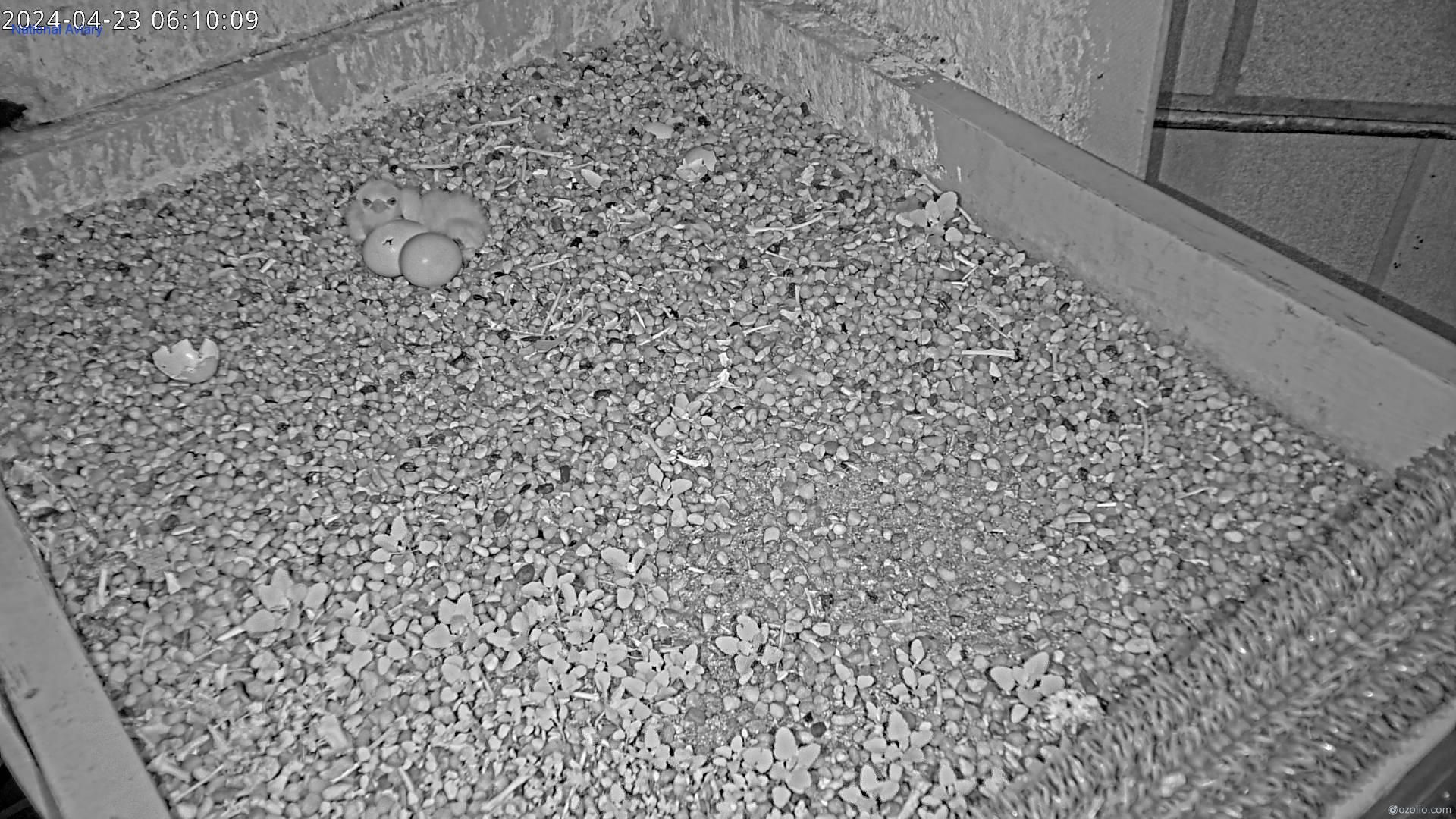
The third chick at the Cathedral of Learning peregrine nest hatched last evening around 7:40pm. All day long he hammered on his shell, expanding the pip to a crack surrounding the egg. Just before nightfall he opened the shell and rested face down. Hatching is exhausting work!
You can see the open eggshell and the wet, pink chick in snapshots above and below.
After the third chick emerged it was time for the last feeding before dark. When Carla left to get the food we could see all three chicks (two white, one pink) as well as the remaining unhatched egg behind the open shell.
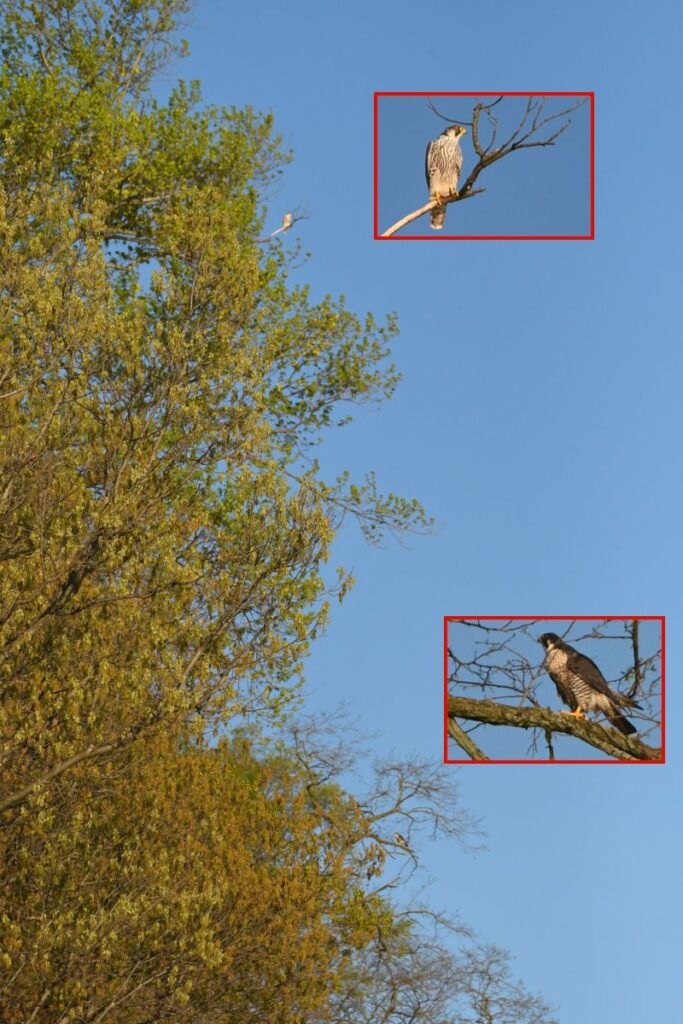
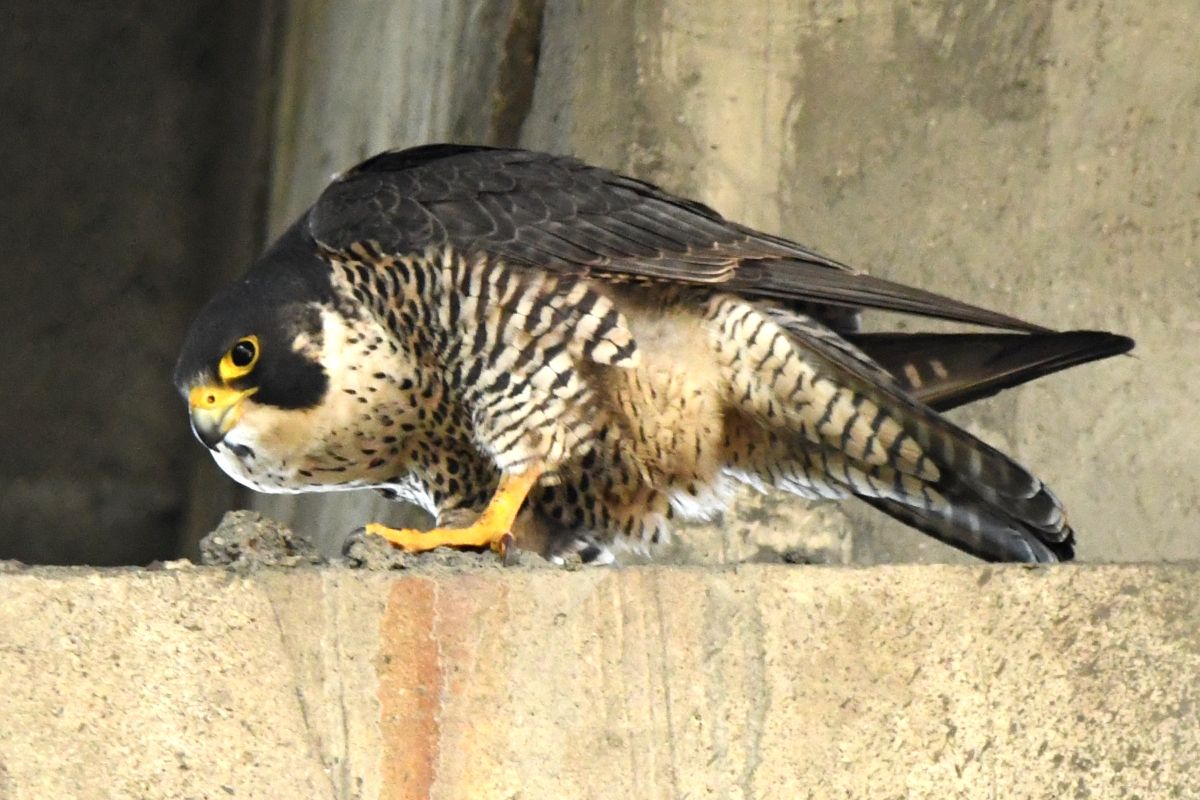
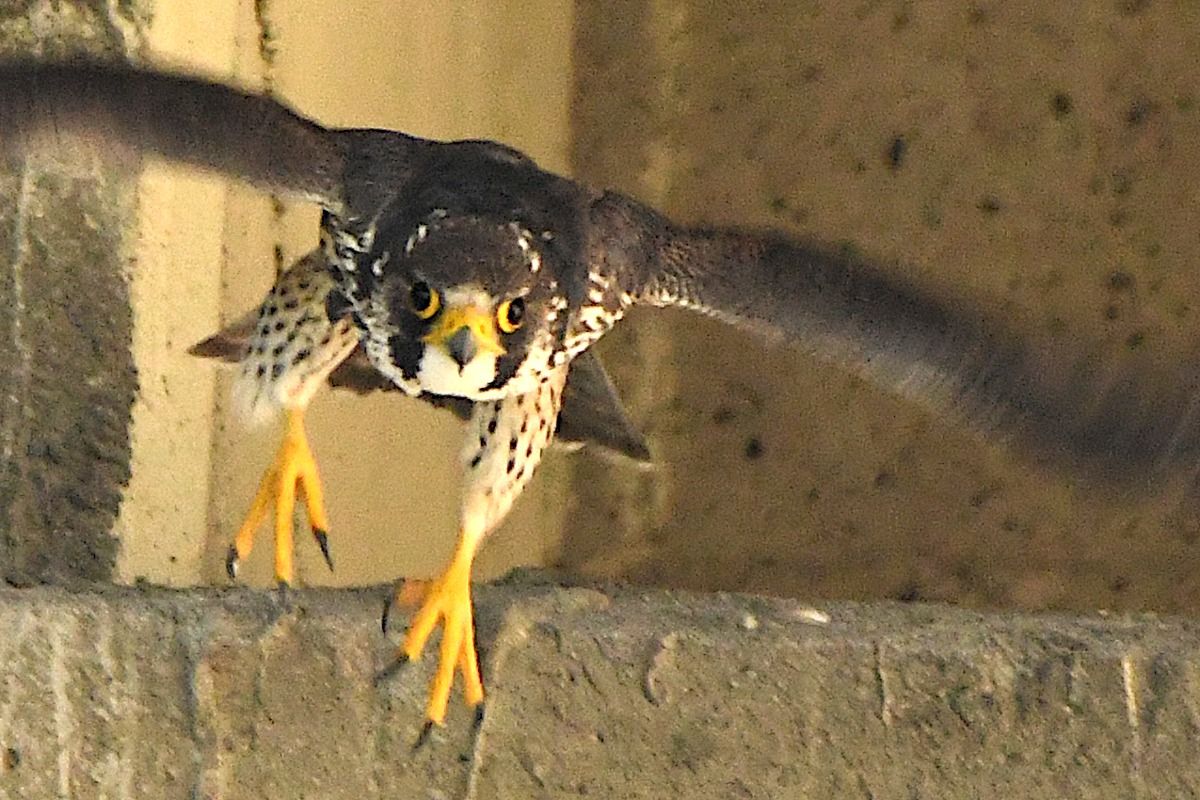
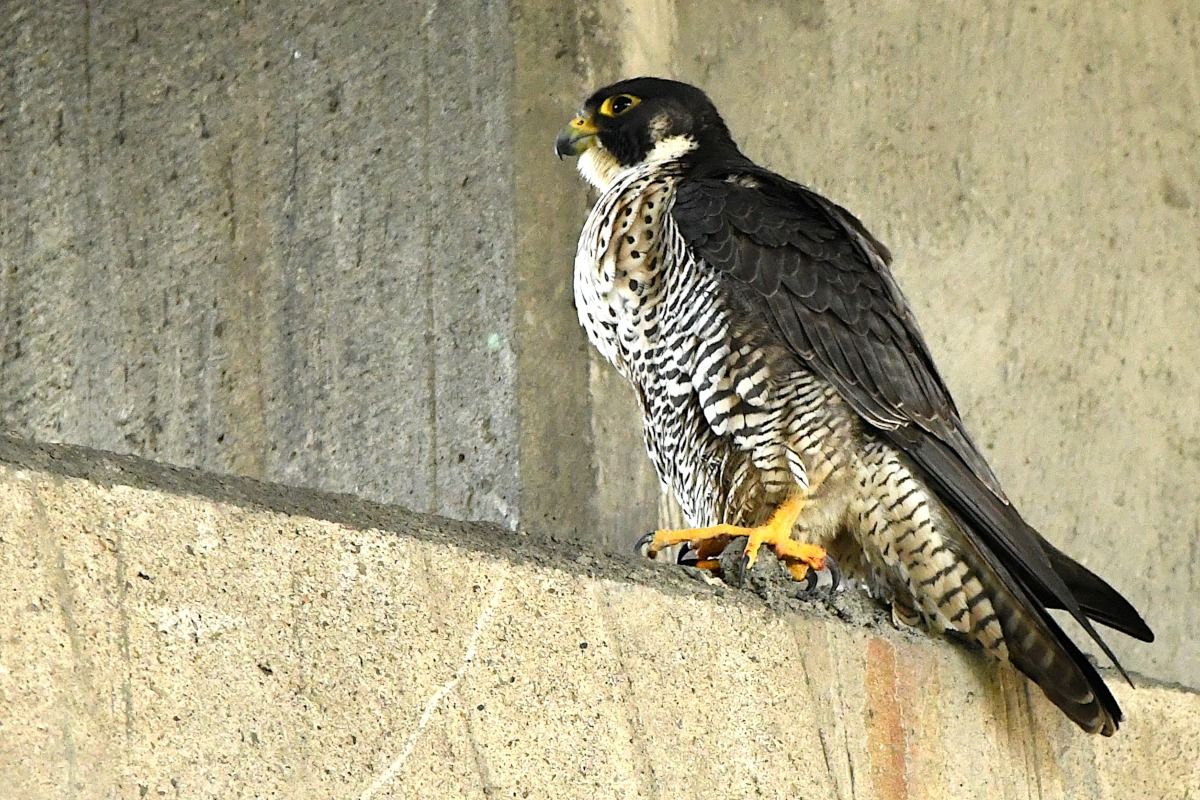
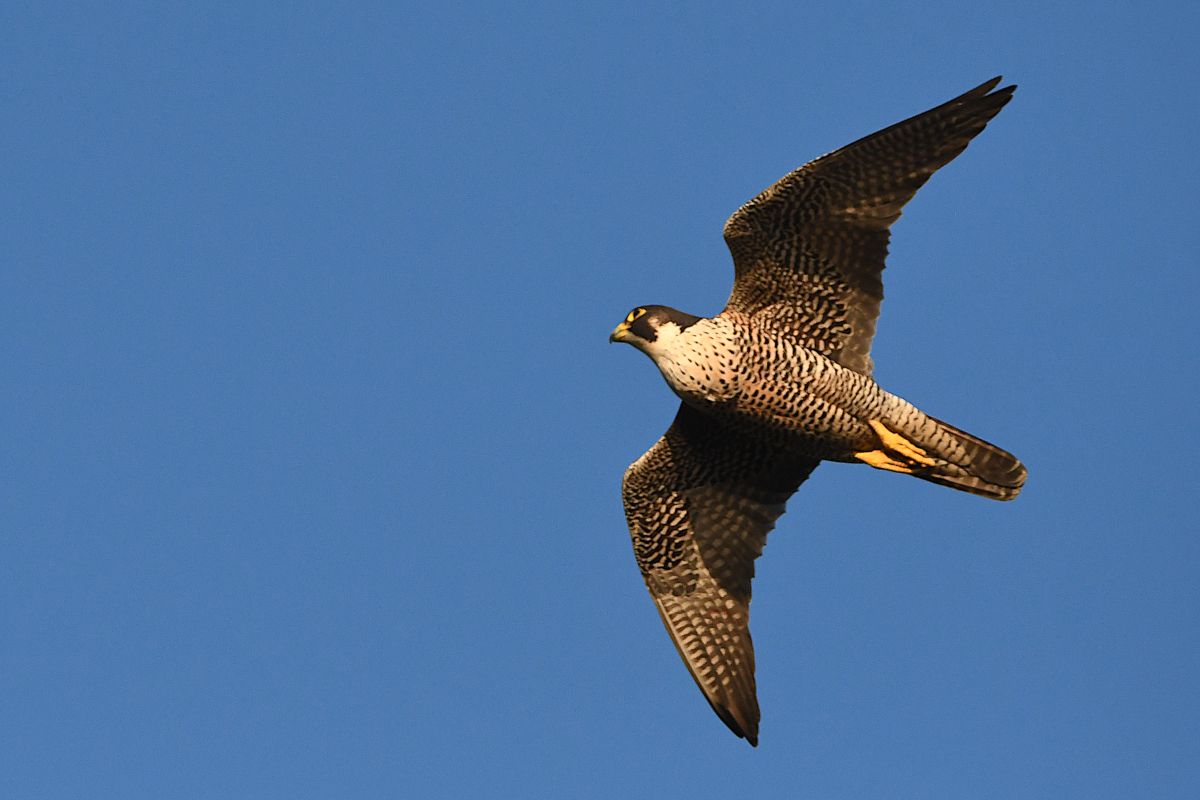
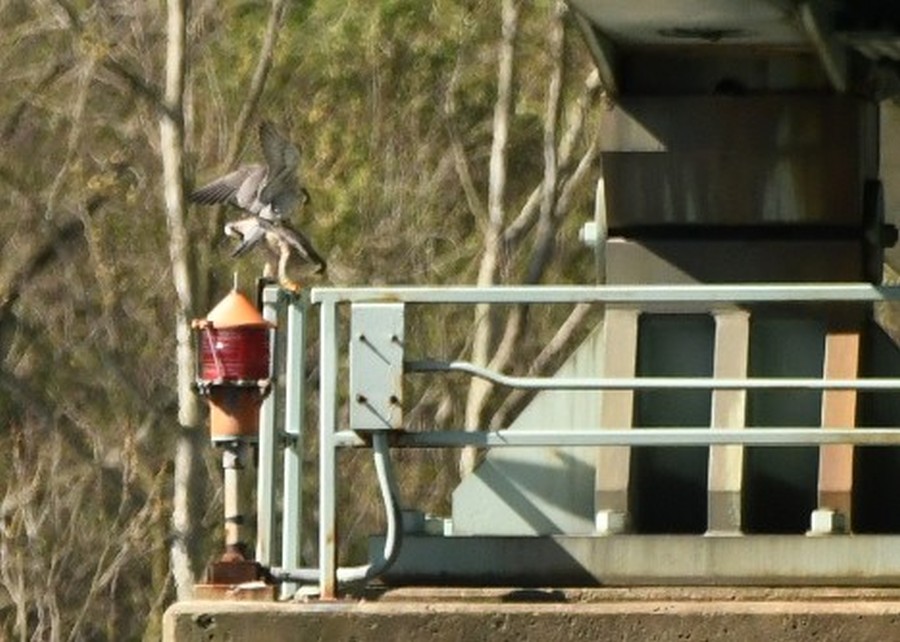
After Jeff Cieslak discovered an immature male peregrine in Ben Avon on 5 April he’s returned often to the Spruce Run Bridge to check on the bird’s status. On 22 April Jeff was surprised to find the male had attracted a mate! The pair courted at the bridge, flew around, and posed in hillside trees (photo at top). Here’s Jeff’s series from Earth Day 2024.
Tarentum Bridge, Allegheny River:
Dave Brooke frequently records the Tarentum Bridge peregrine family. On 19 April he saw four chicks. On 23 April their growing wing and tail feathers were quite evident, though only two stood up enough to be seen. These birds will start ledge walking during the week of 6 May. The first will probably fledge on 11 May.
Peregrines at Tarentum Bridge, 19 April 2024 (video embedded from Dave Brooke on YouTube)
Peregrine chicks at Tarentum Bridge, 22 April 2024 (video embedded from Dave Brooke on YouTube)
Westinghouse Bridge, Turtle Creek:
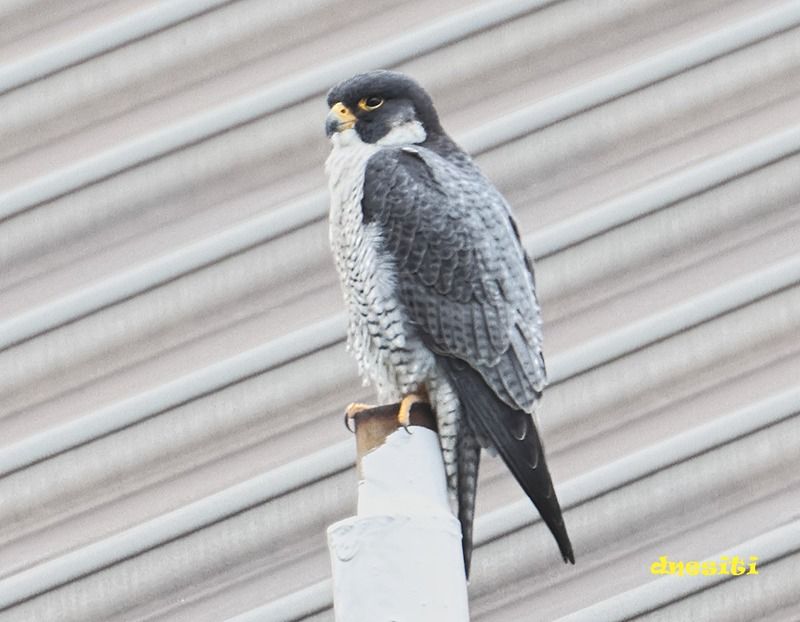
Peregrines have nested at the Westinghouse Bridge since at least 2010. Last Sunday, 21 April, Dana Nesiti found the male perched near the bridge. The female was probably busy incubating at the time.
Peregrine at Westinghouse Bridge, 21 April 2024 (photo by Dana Nesiti)
Sewickley Bridge, Ohio River
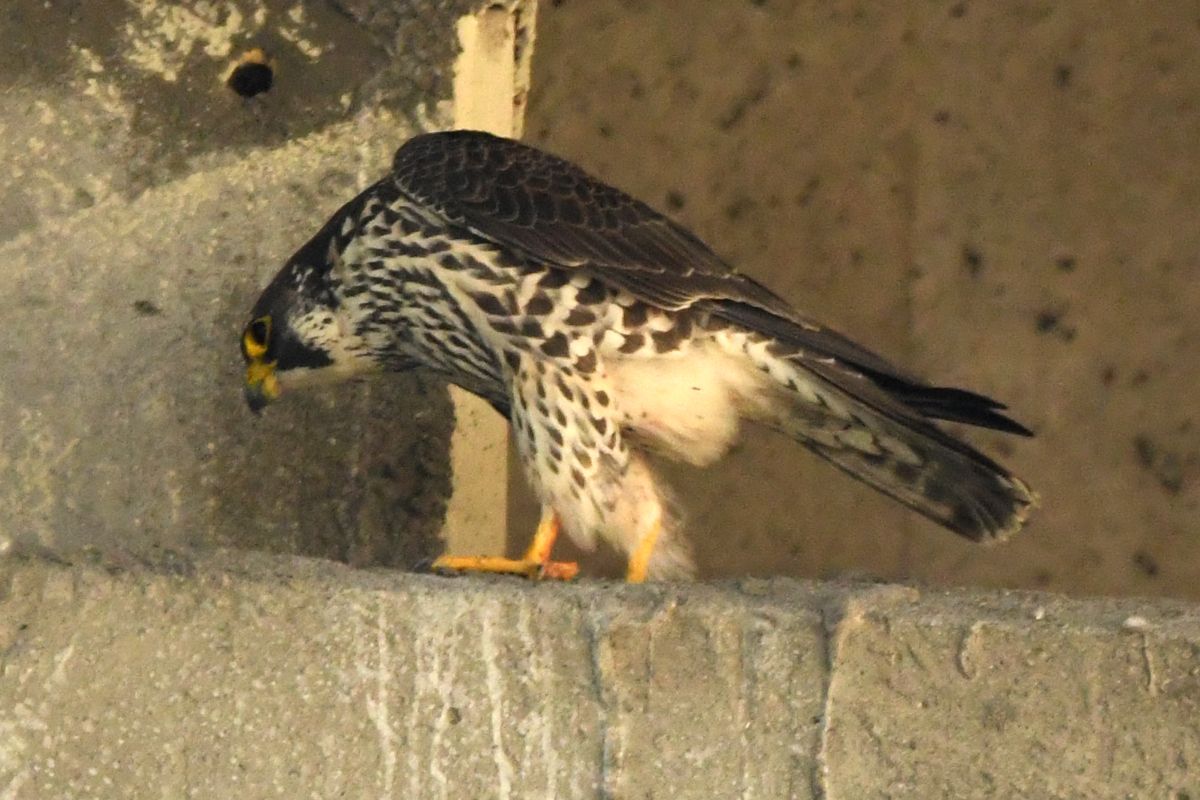
Jeff Cieslak was disappointed to see the pair at the Sewickley Bridge mating again on 22 April. If their nest had been a success they would still be incubating, not mating. Jeff says this activity follows the typical pattern at Sewickley of repeated nest attempts but no young each year.
Peregrine pair mating at the Sewickley Bridge, 22 April 2024 (photo by Jeff Cieslak)
This list is not fully updated but will help you decide where to look for peregrines.
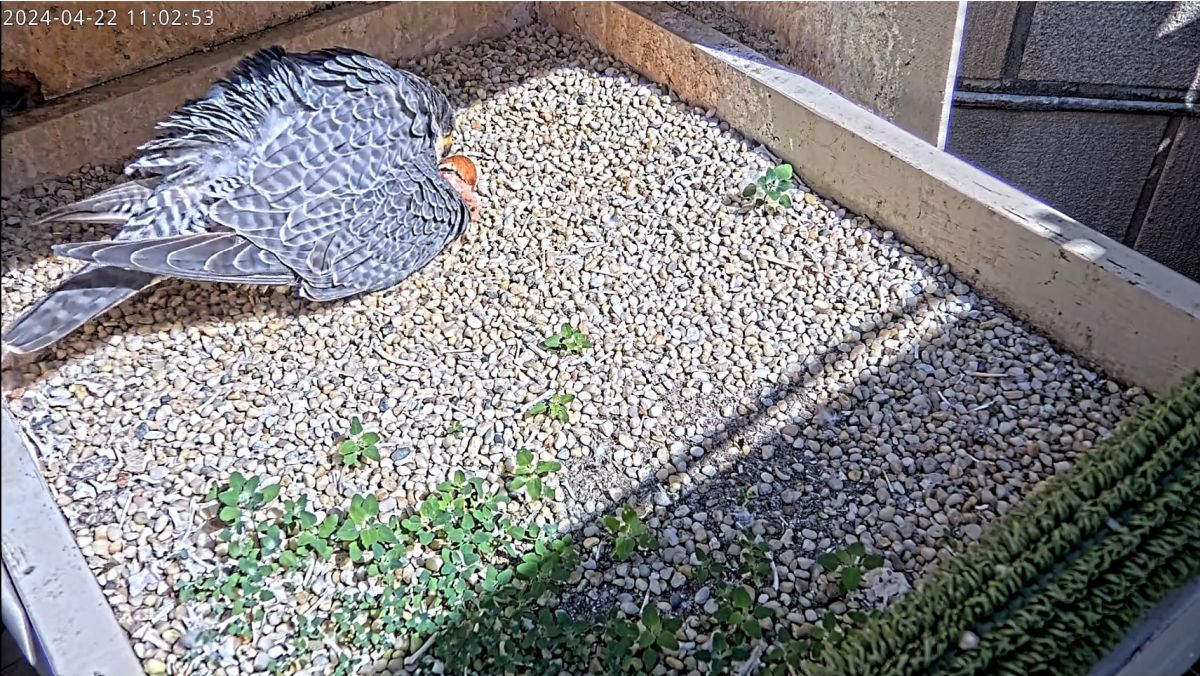
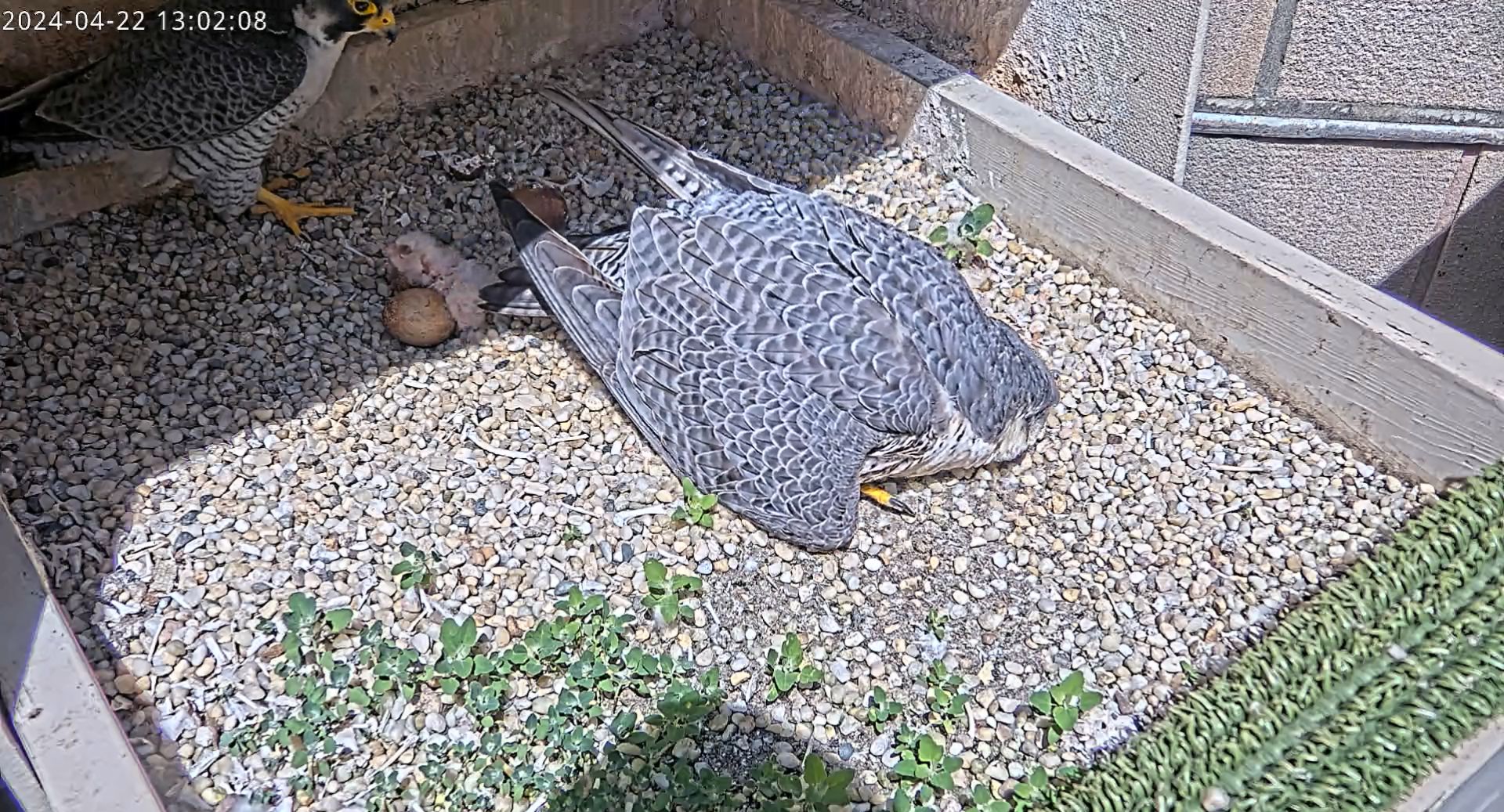
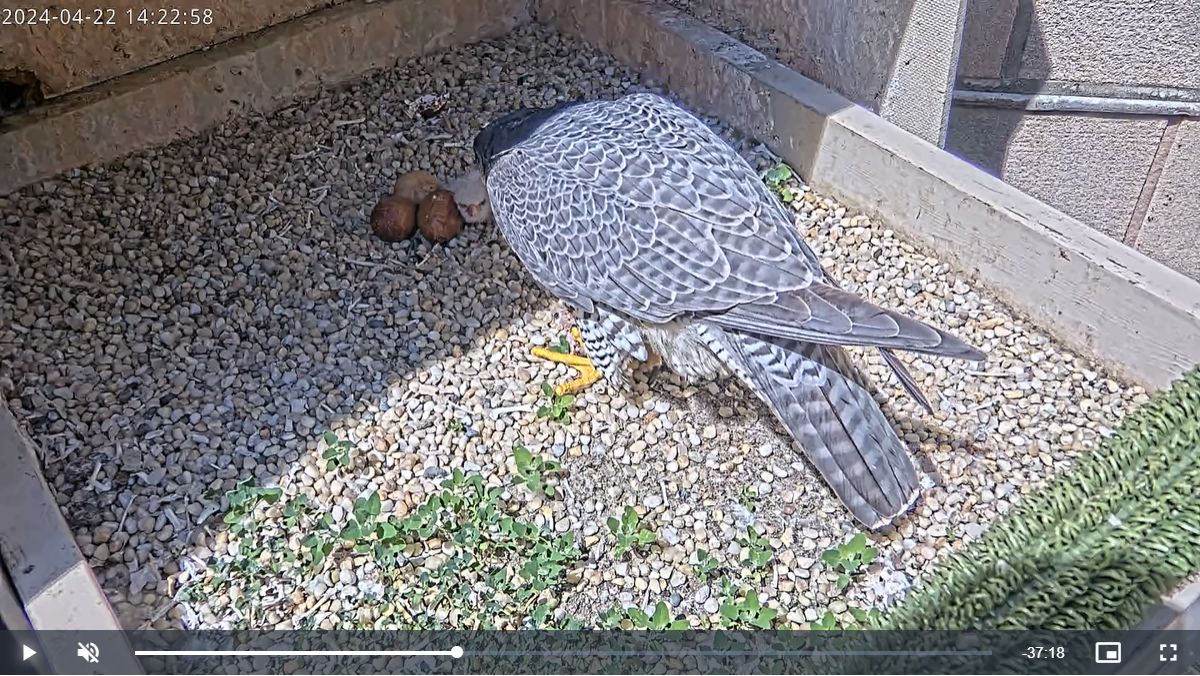
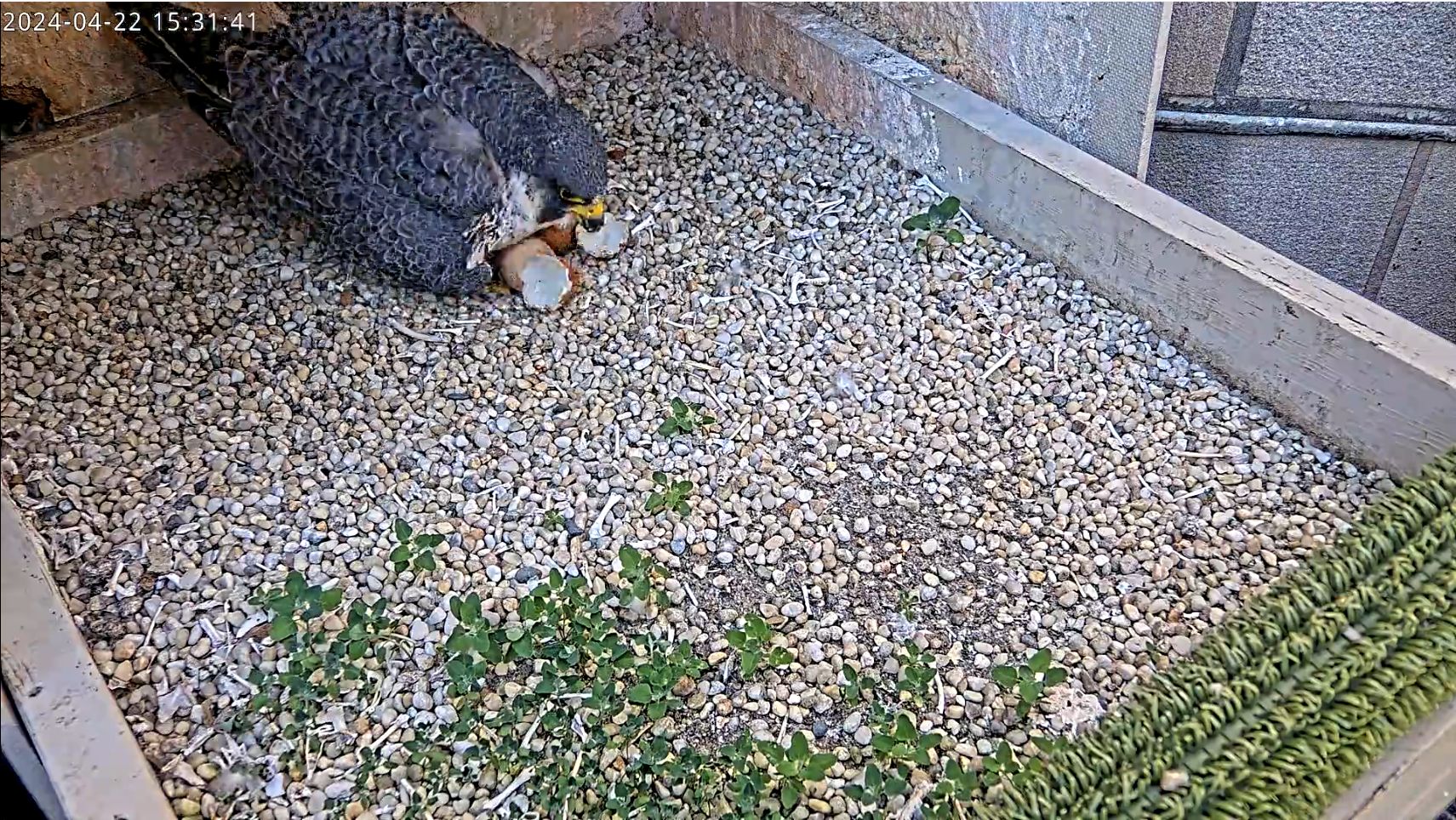
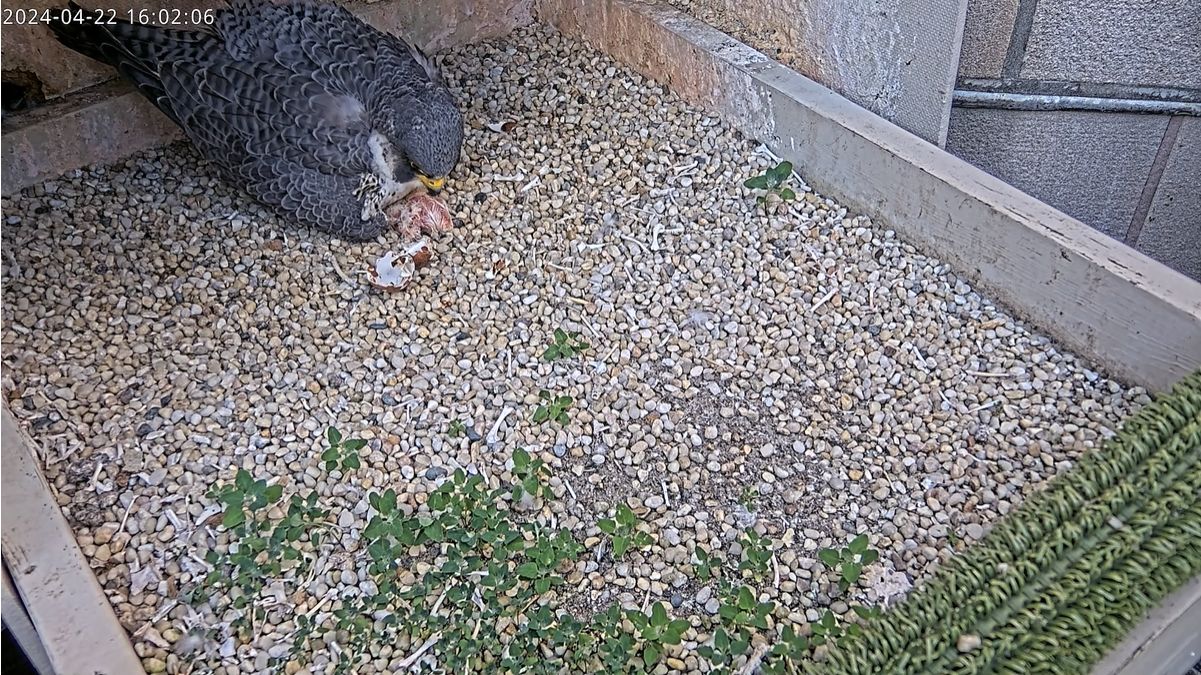
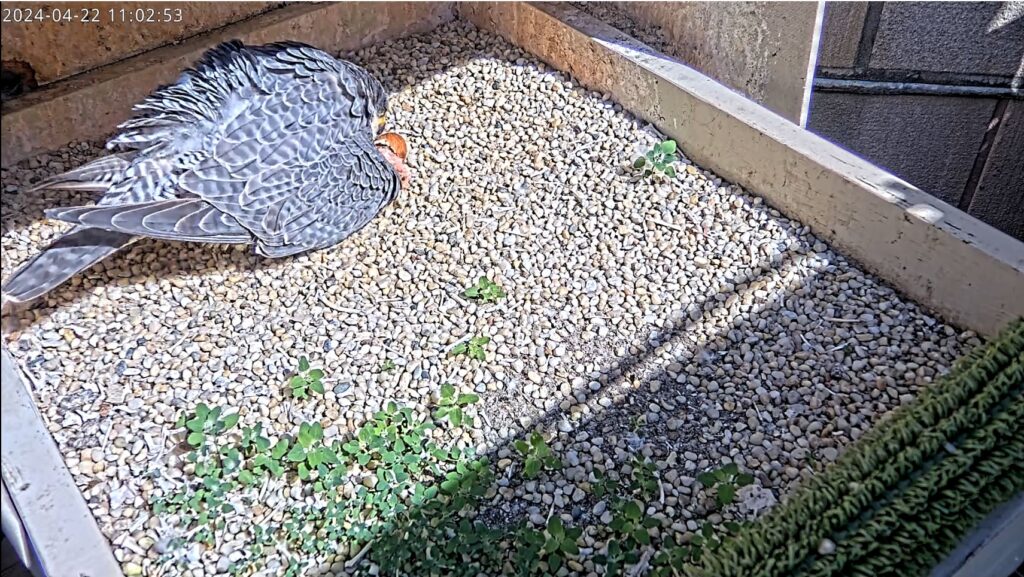
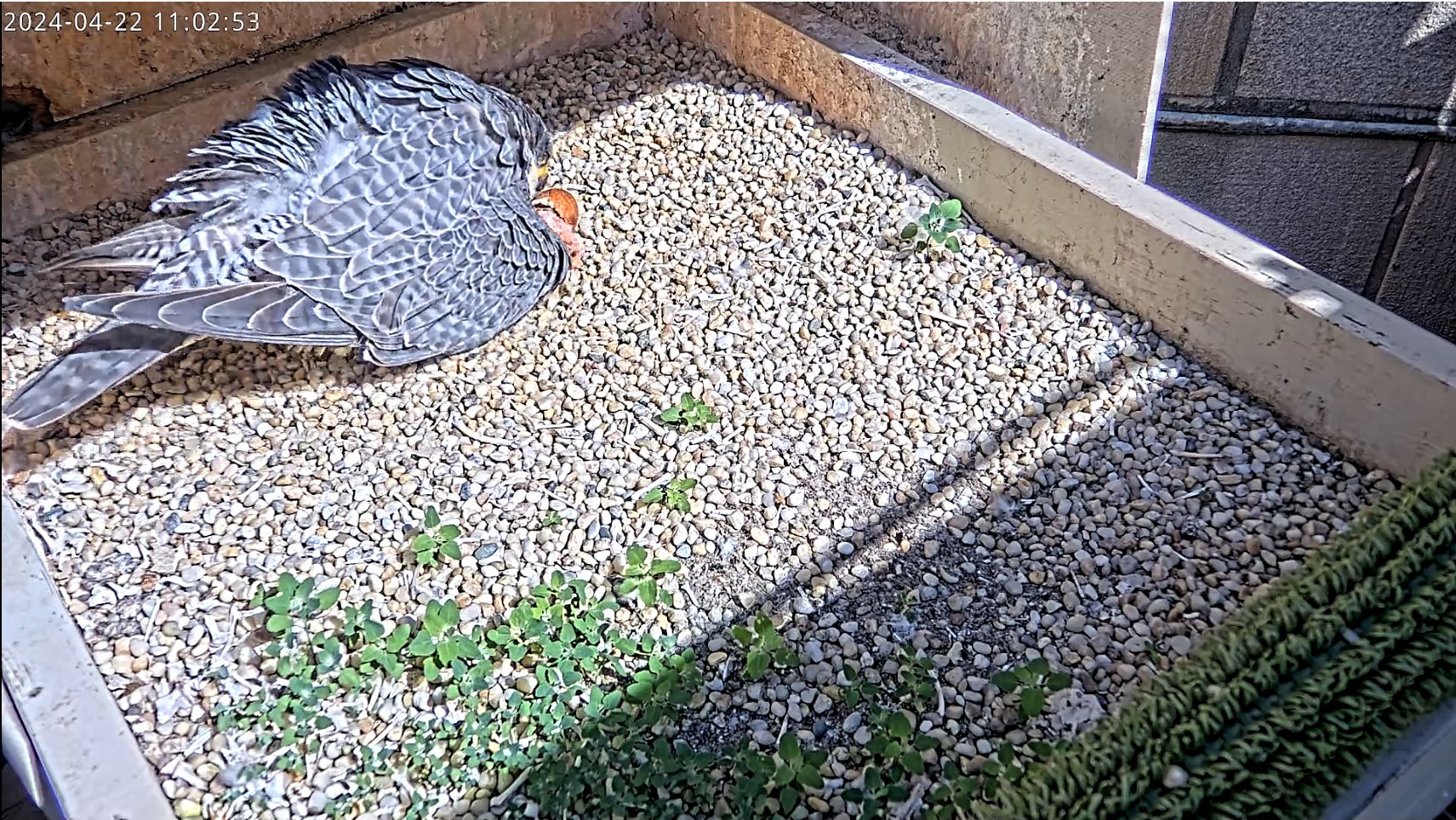
Yesterday two of Carla and Ecco’s four eggs hatched: one at 11:02am, the second at 15:28 (3:38pm). The evidence each time was the half eggshell that Carla pulled out from under her. She ate most of the shells immediately.
This morning the chicks ate just before sunrise, then slept in a heap (at top) while Carla took out the garbage. This slideshow highlights their first day of life including this morning’s feeding.
Today will be a big day for Chick#3 whose egg has a large pip. He will probably hatch today.
First sight of the hatched peregrine chick and half eggshell, 22 Apr 2024, 11:02am (snapshot from the National Aviary falconcam at Univ of Pittsburgh)
22 April 2024
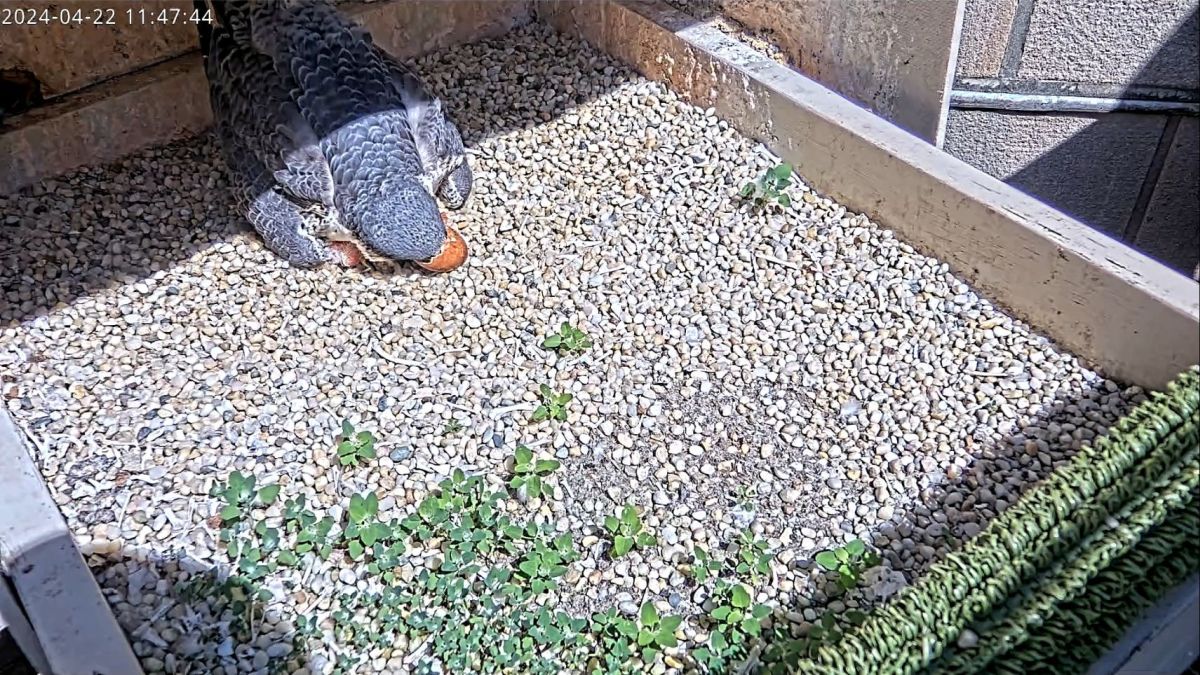
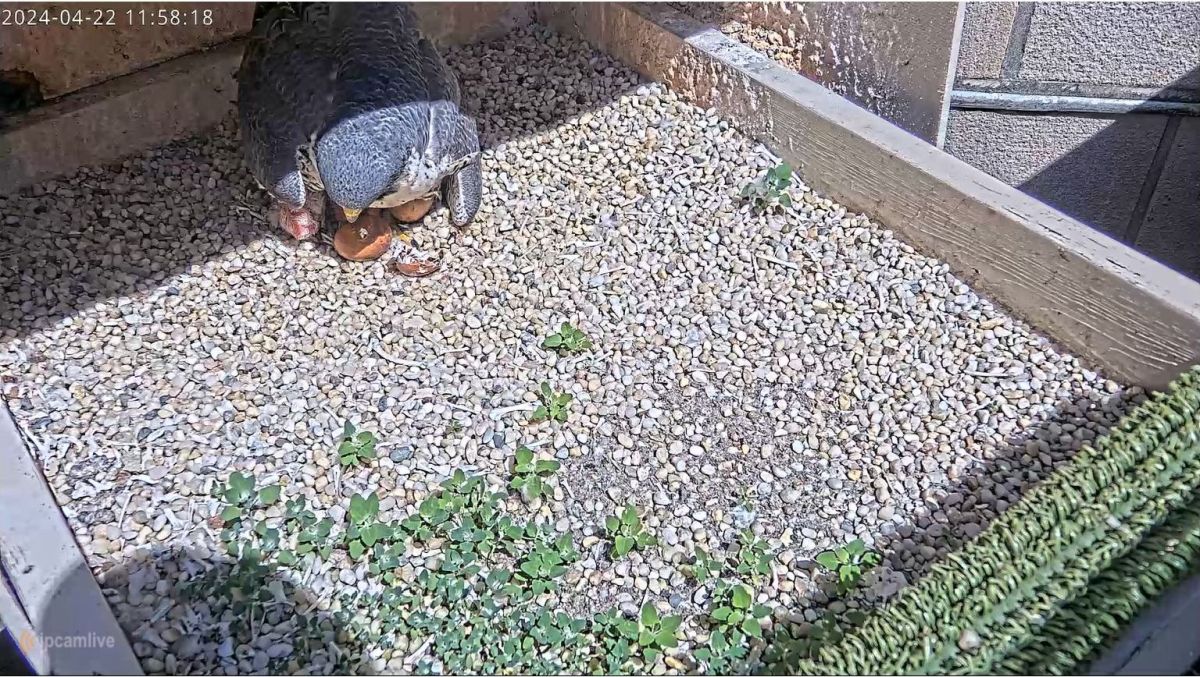
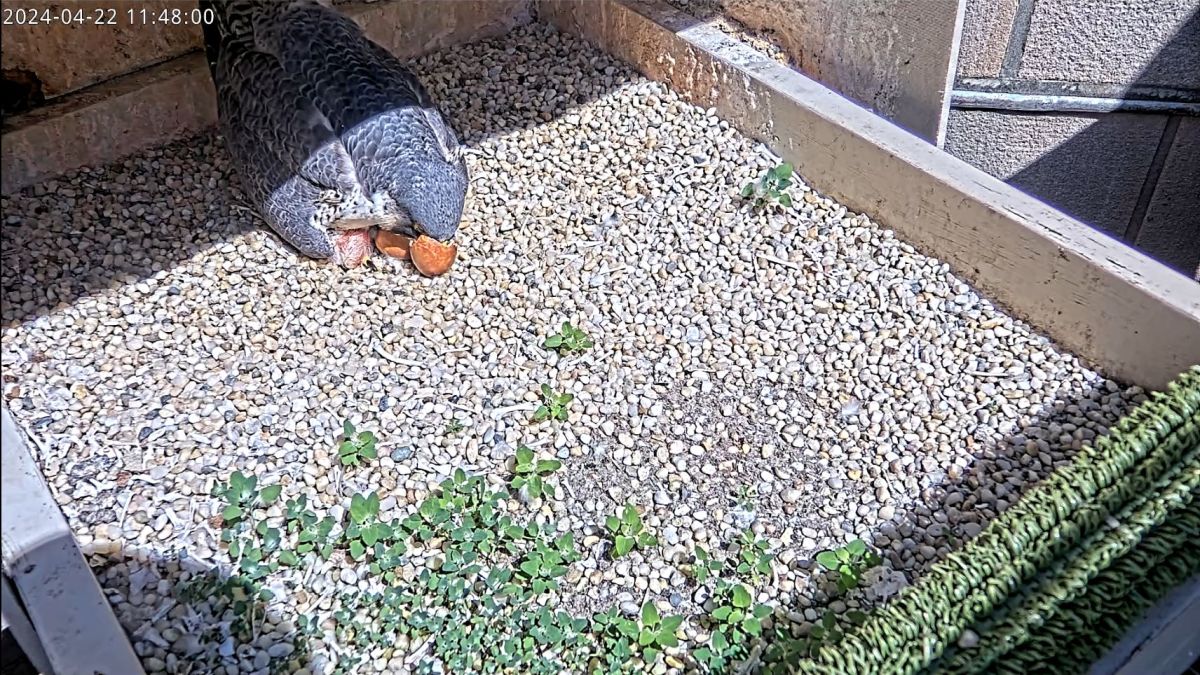
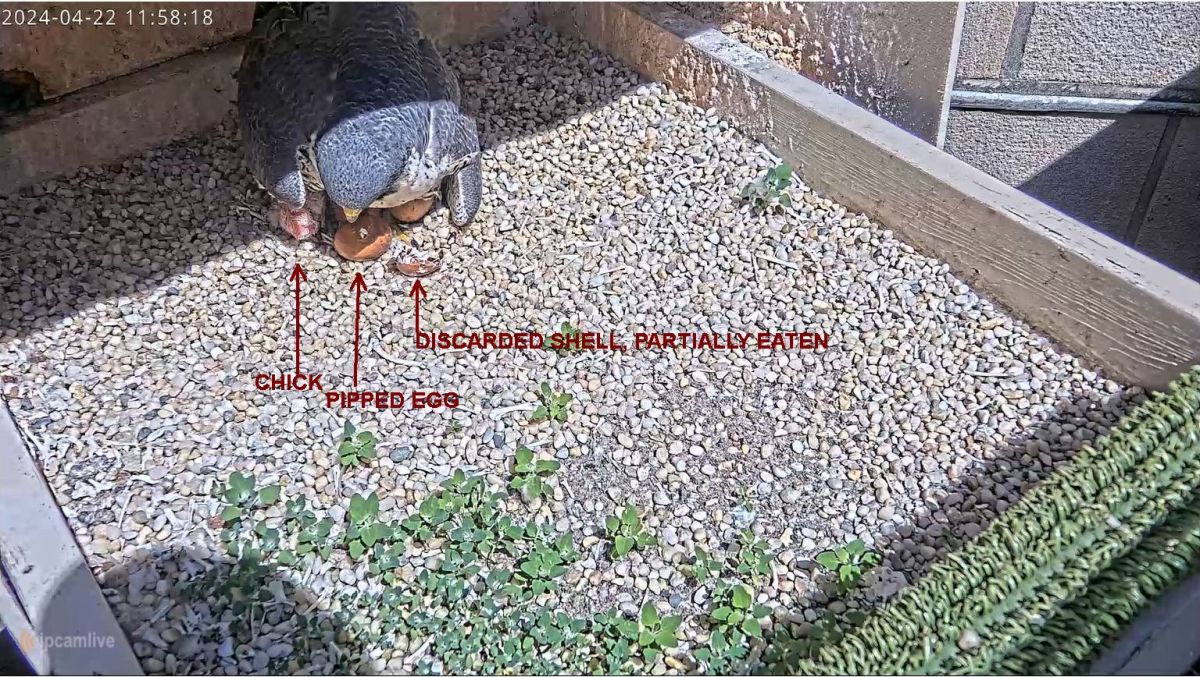
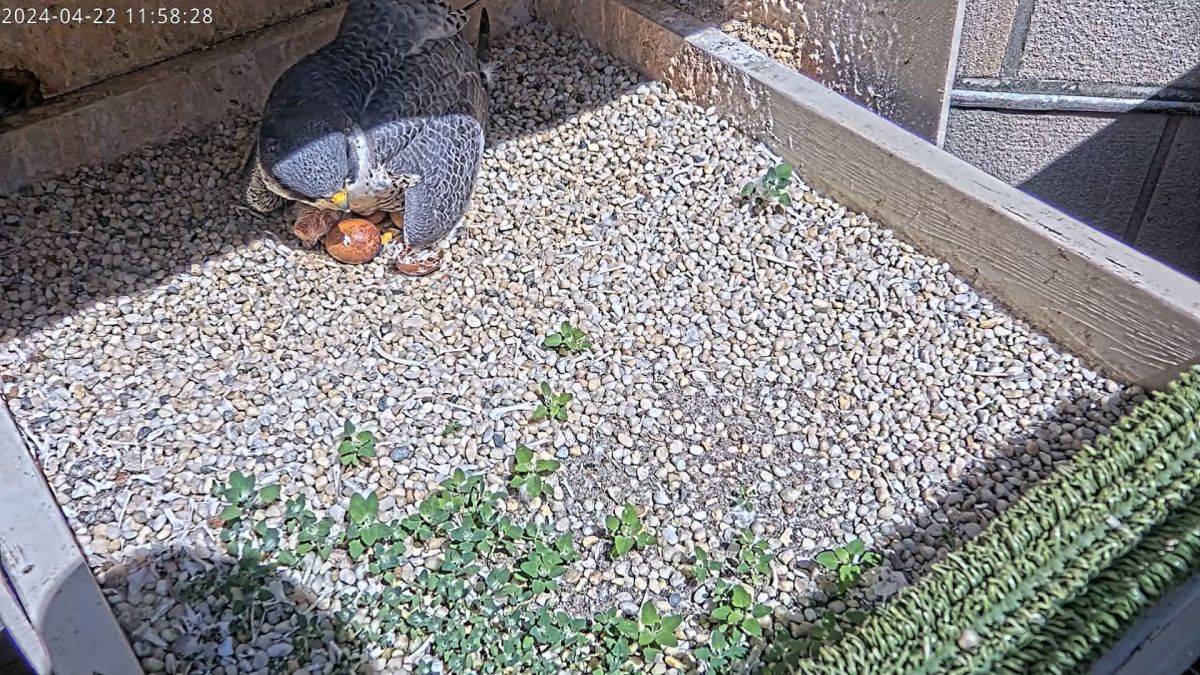
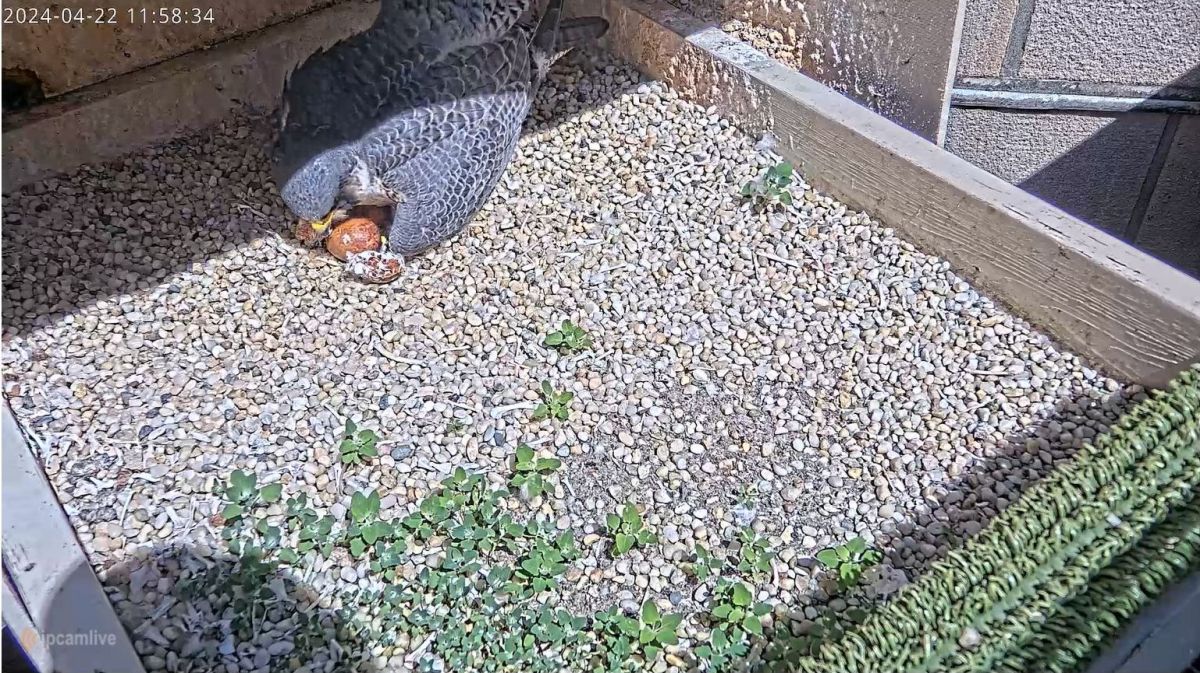
This morning at 11:02am the first of Carla and Ecco’s four eggs hatched at the Cathedral of Learning peregrine nest. Our glimpse was fleeting because Carla kept her back to the camera (above). Later in the hour she turned and we got a better view.
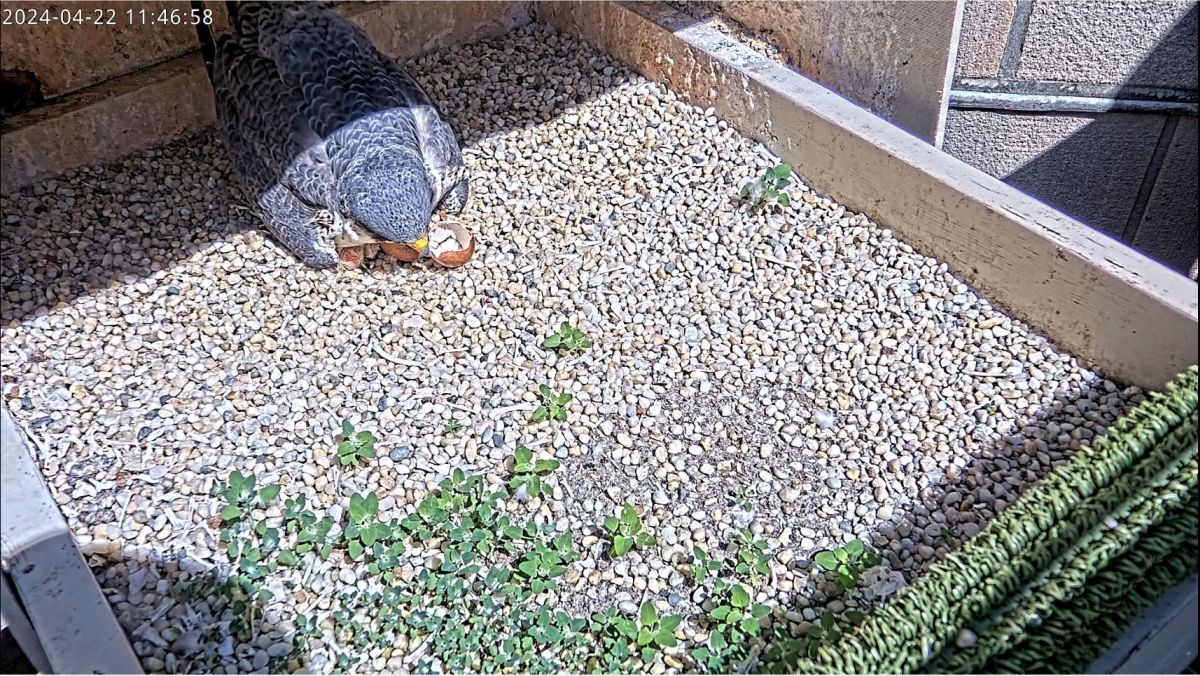
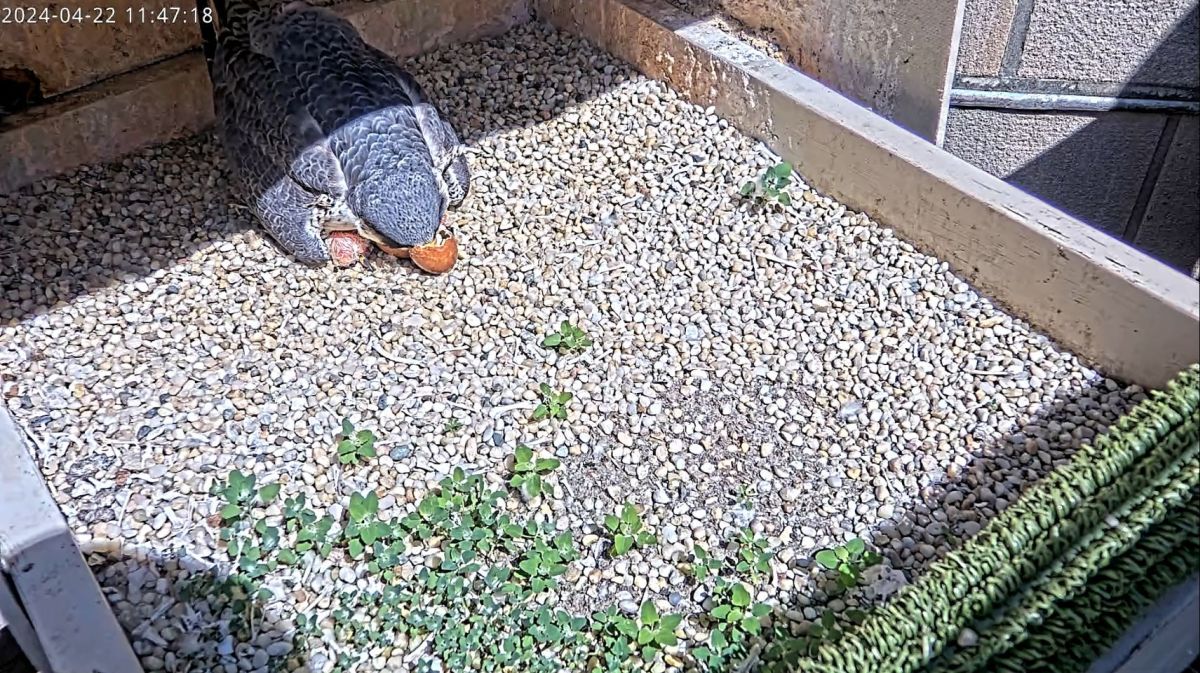
This slideshow from the streaming falconcam contains the best snapshots from the 11:00am hour with one chick, one pipped egg, and an empty eggshell. Carla ate the eggshell to regain the calcium she lost in laying the egg. The shell was nearly gone by noon.
You can see Ecco’s very brief visit at 11:42am in these video highlights.
He made another appearance in the 1:00 o’clock hour but I missed it.
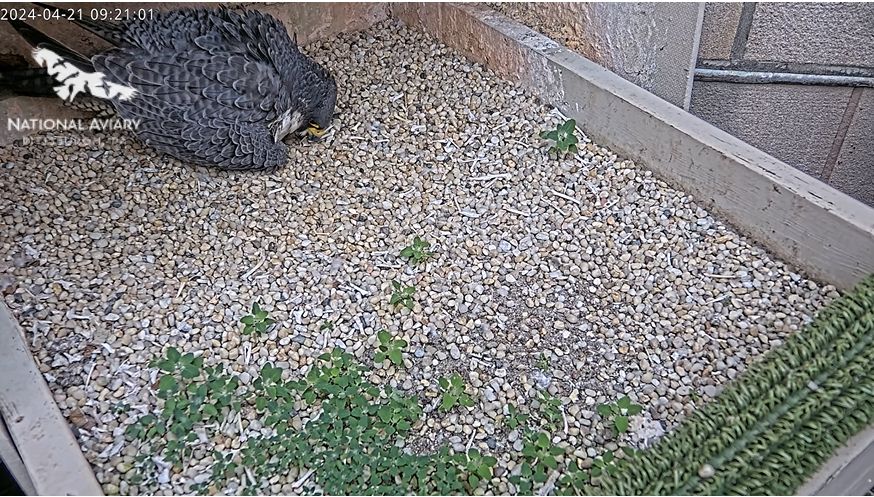
Carla hunches over the eggs and seems to speak to them, 21 April 2024, 9:21am ()
21 April 2024
This morning Carla periodically hunched over the eggs, rocked her body and appeared to vocalize to the eggs. This is typical mother peregrine behavior when she hears a chick hammering on its shell.
While hatching is underway the parent birds can hear the chick peeping inside the egg and can hear it the hammering on the shell. Hatching itself takes many hours but the first step we’ll see is a pip, an air hole that the chick punches to begin the process. Richmond Falconcam FAQ explains how long it takes for the tiny bird to hatch:
Hatching is an energetically demanding process. The young chick uses its egg tooth, a small knob on top of its bill, to hammer a pip (hole) in the egg. It periodically works to break the egg around the pip area, but rests much of the time. The entire process from initial pip to hatch can take up to 72 hours. All the eggs in a Peregrine Falcon clutch generally hatch “synchronously” (within 24–48 hours for a clutch of 4).
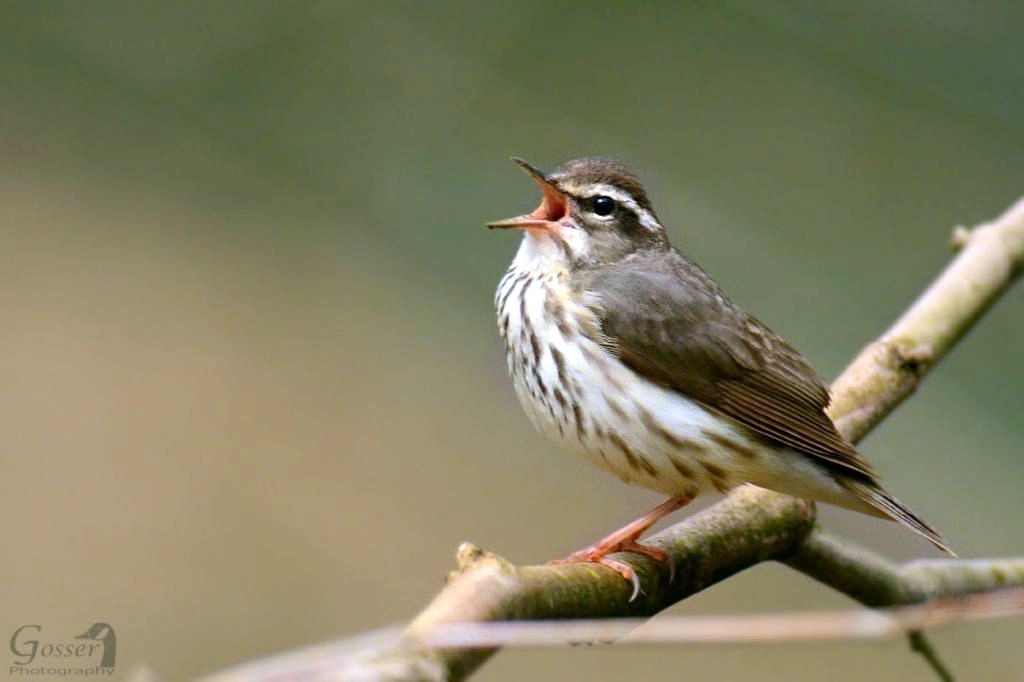
Louisiana waterthrush (photo by Steve Gosser in 2018)
21 April 2024
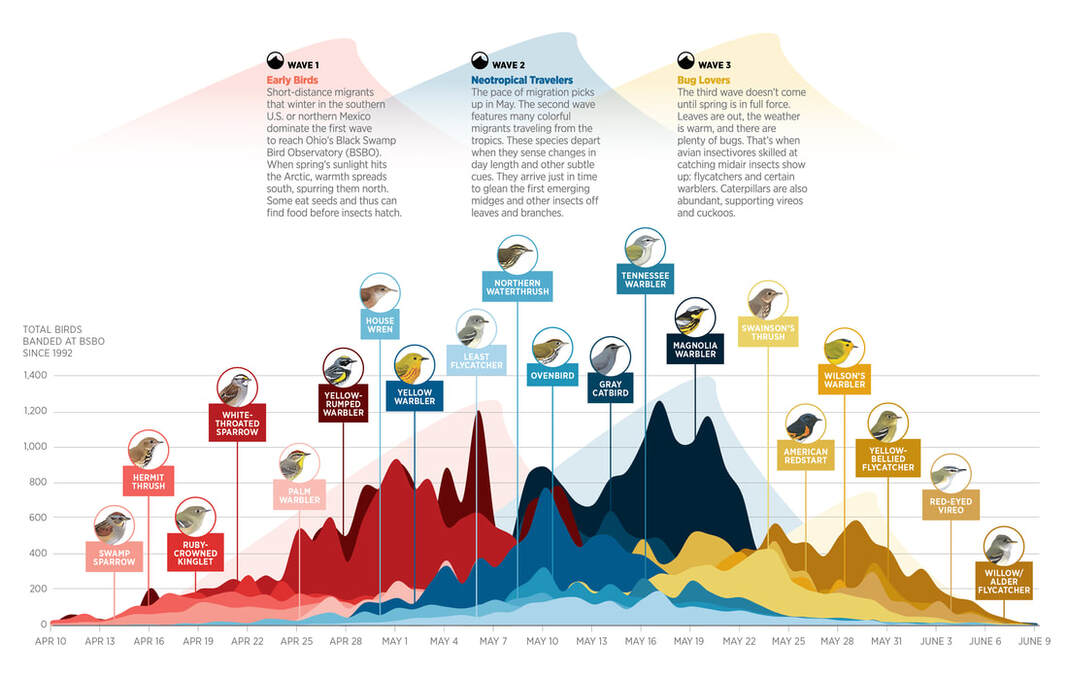
Black Swamp Bird Observatory (BSBO) at Magee Marsh Wildlife Area in Ohio has been banding birds for more than three decades. When they analyzed their warbler data since 1992, the arrivals and departures fell into three distinct waves with the same species in those waves year after year.
This led to their Spring Migration Wave Theory, illustrated on BSBO’s website. I have embedded their graphic and made it tiny on purpose so that you will click on the image to see all the details in the original.
Spring Migration Wave Theory (graphic embedded from BSBO.org): First Wave=red, Second Wave=blue, Third Wave=yellow
BSBO describes the waves and their timing in northwestern Ohio. These timings don’t always apply to Pittsburgh. We are between the Mississippi and Atlantic Flyways, so birds often get here last.
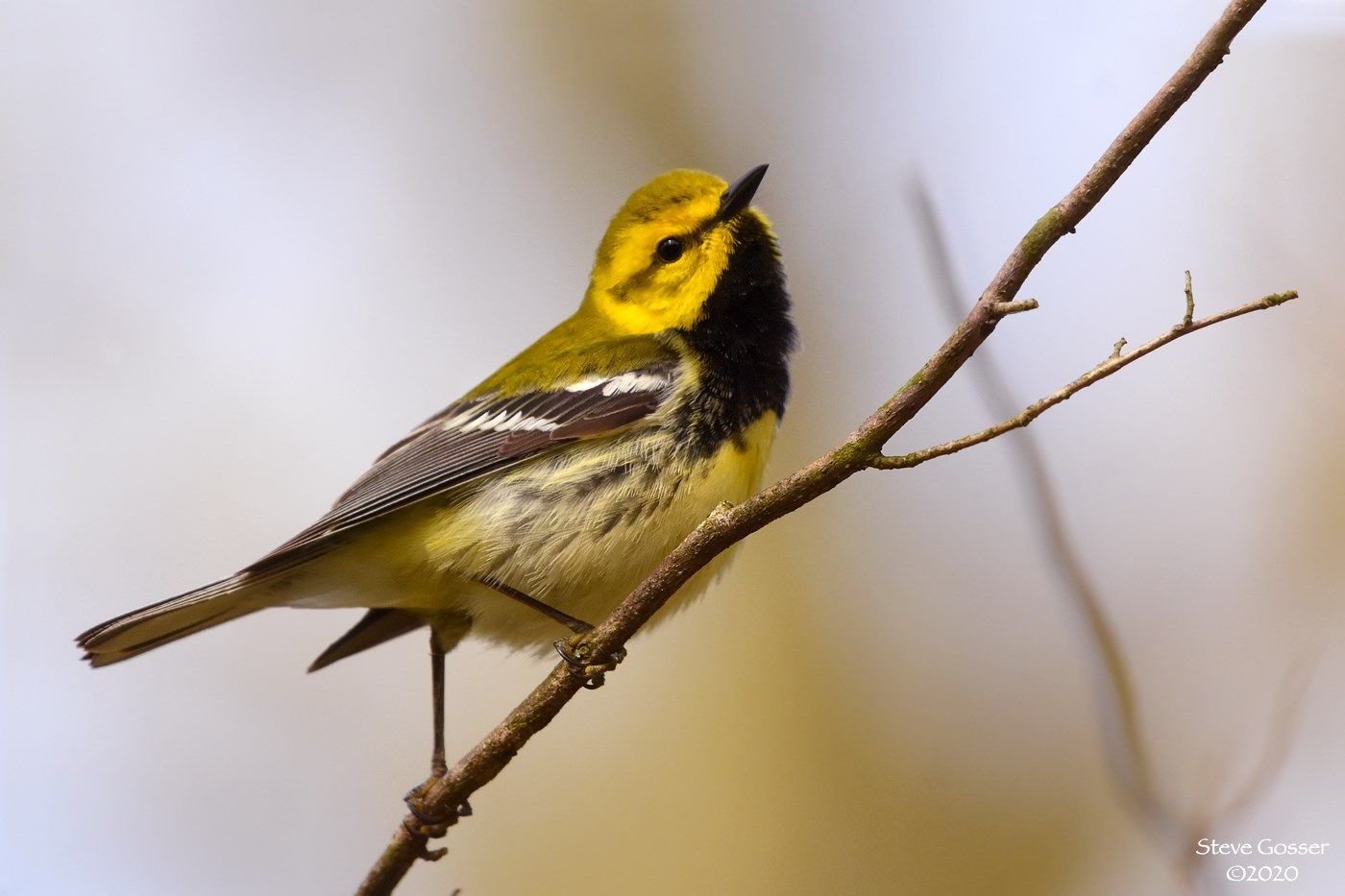
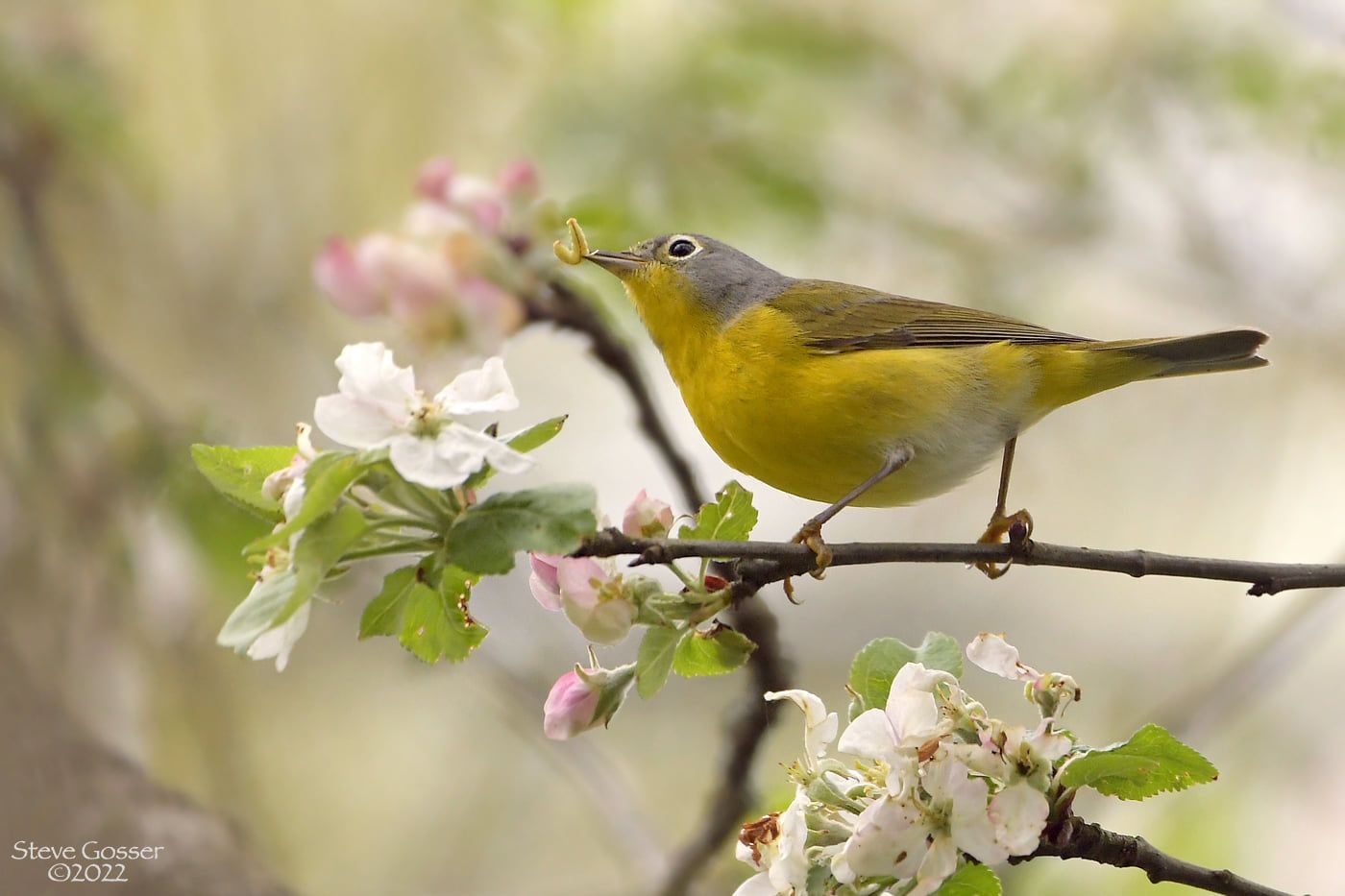
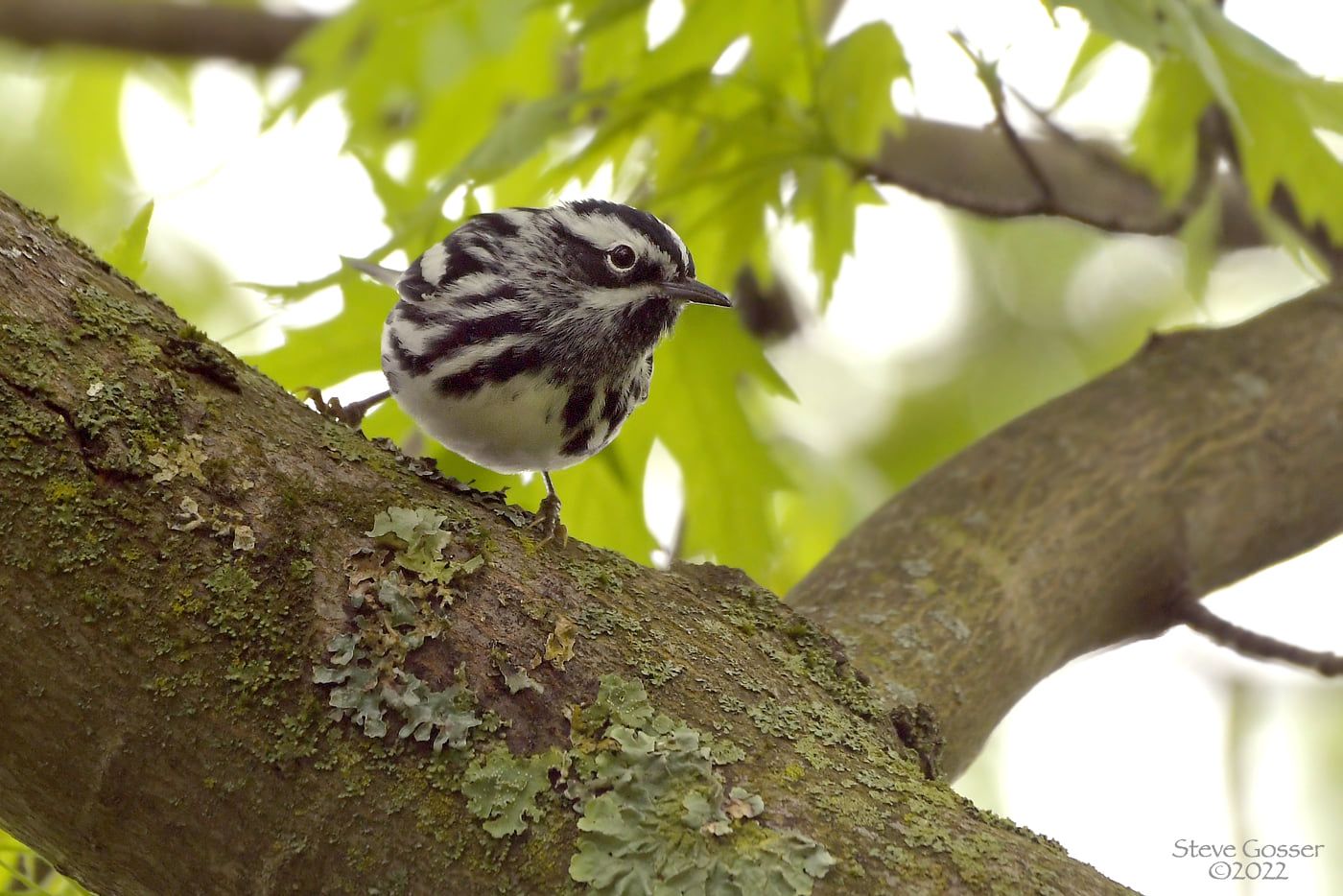
The first wave dominated by male White-throated Sparrow, Hermit Thrush, male Myrtle Warbler, and male Ruby-crowned Kinglet occurs around 25 April [in Northwestern Ohio]. Sub-dominant warblers include the Black-throated Green, Black-and-white, and Nashville. …
The second wave, known as the big wave, occurs 7-13 May [in Northwestern Ohio] and is represented by the greatest species diversity of the spring … The second pulse of this wave coming five to seven days after, usually has the largest volume. …
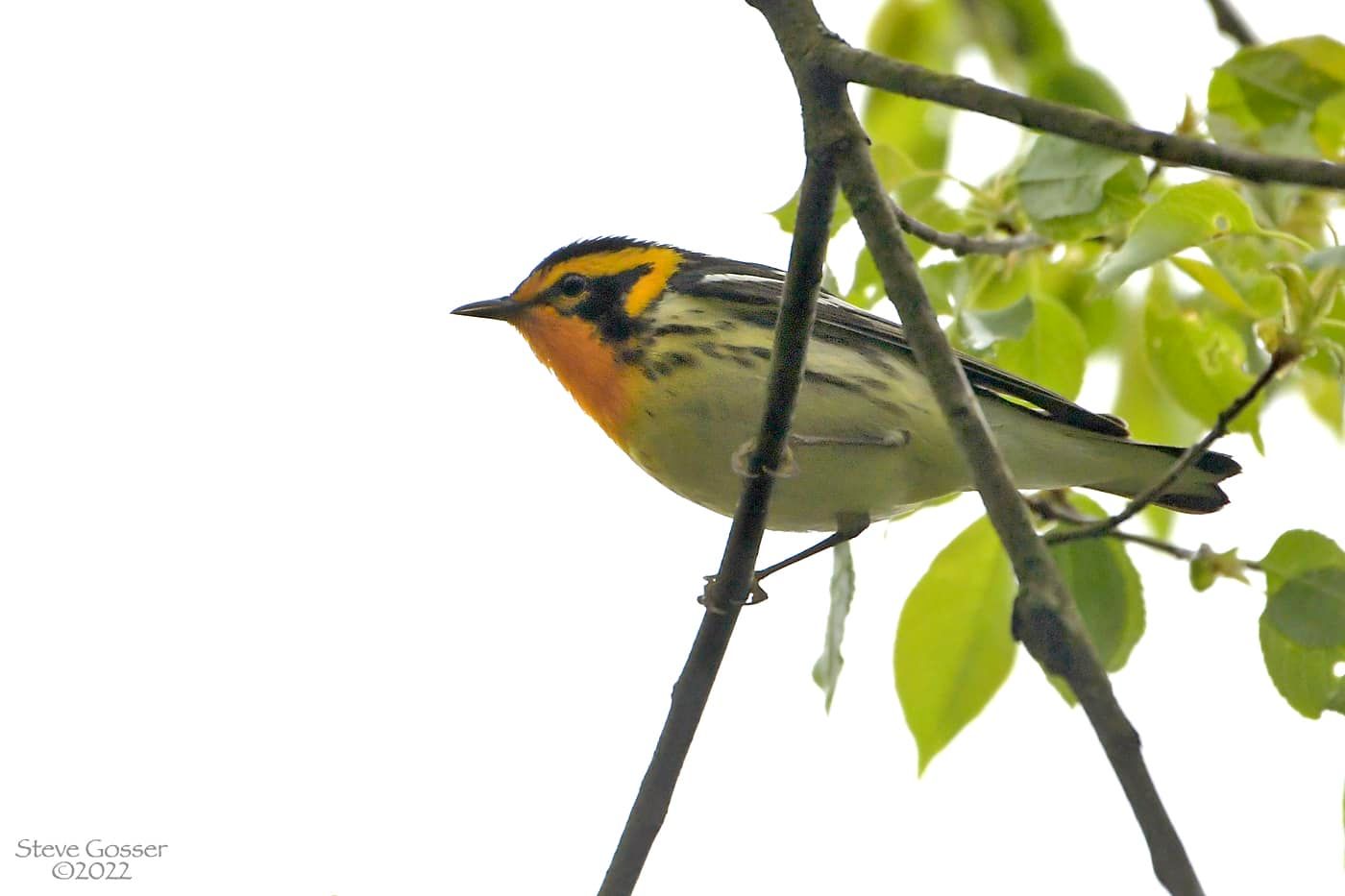
The third wave normally comes around Memorial Day weekend [in Northwestern Ohio] and is dominated by female Magnolia Warbler, American Redstart, Mourning Warbler, vireos, and flycatchers.
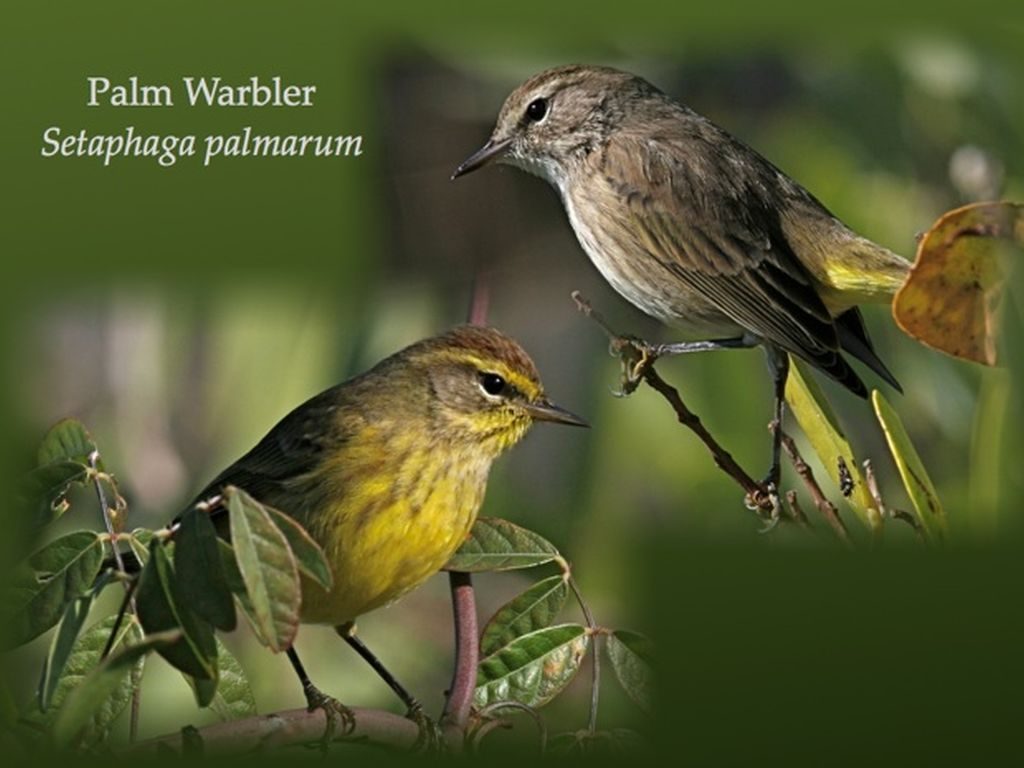
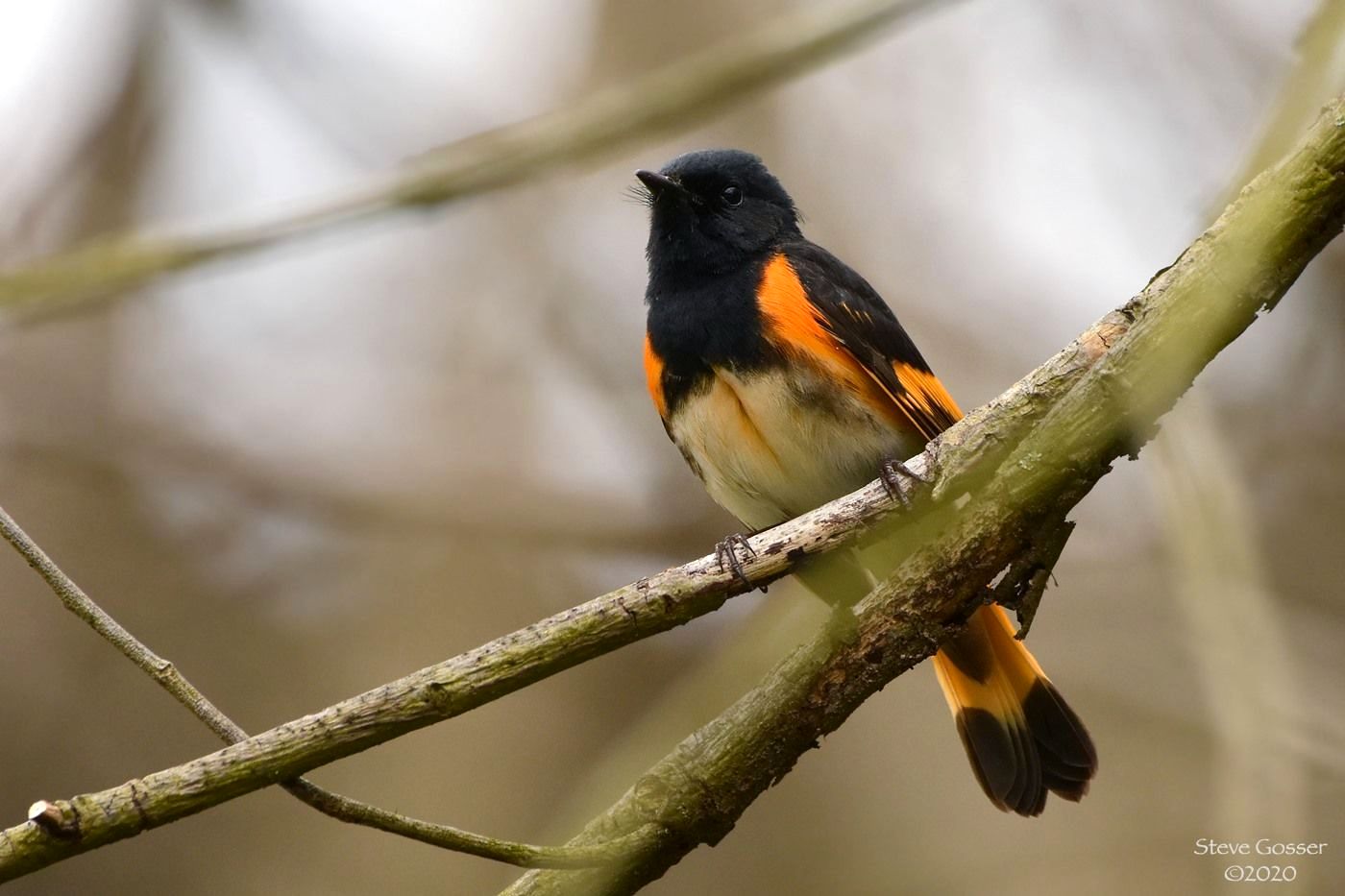
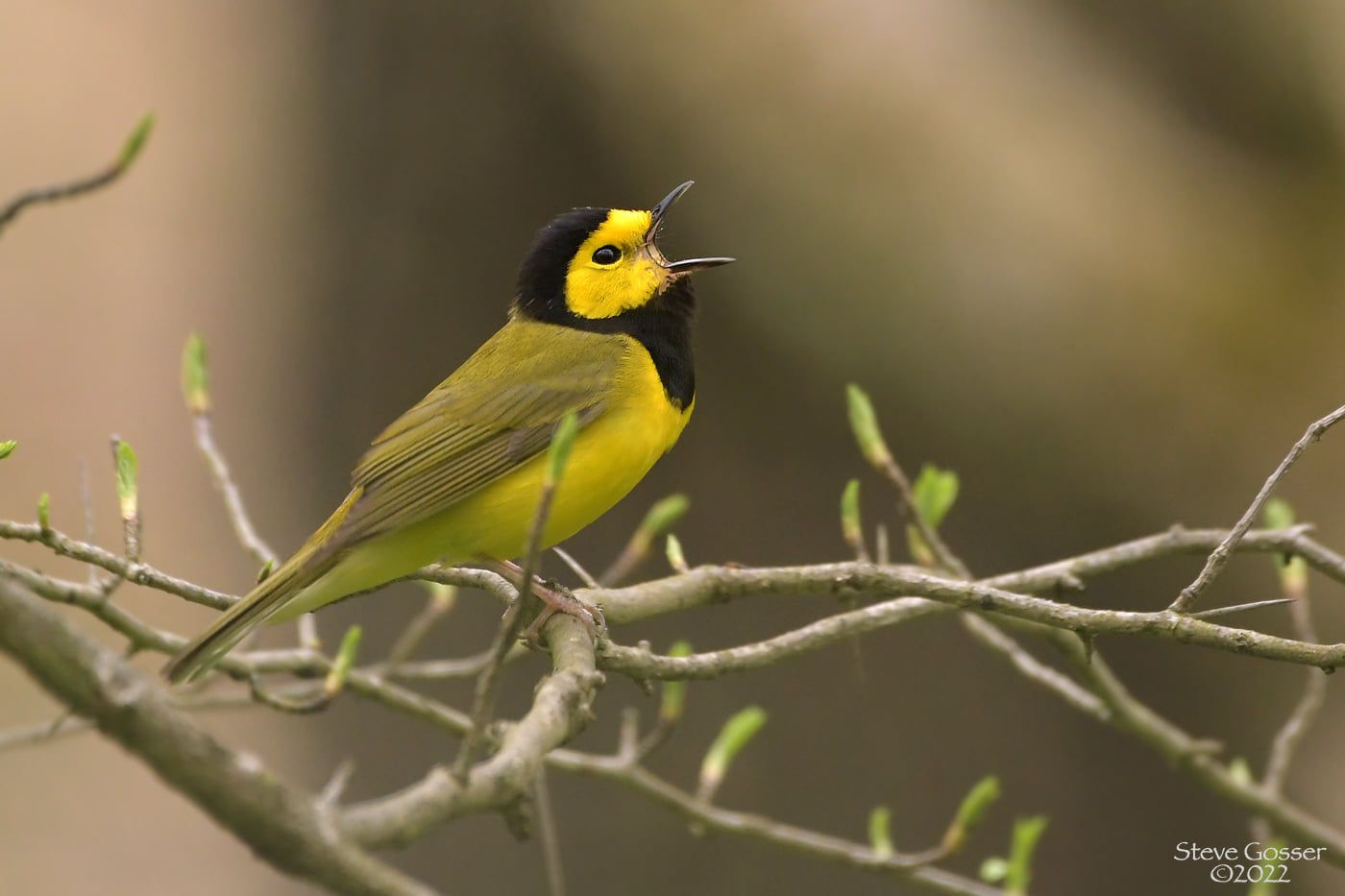
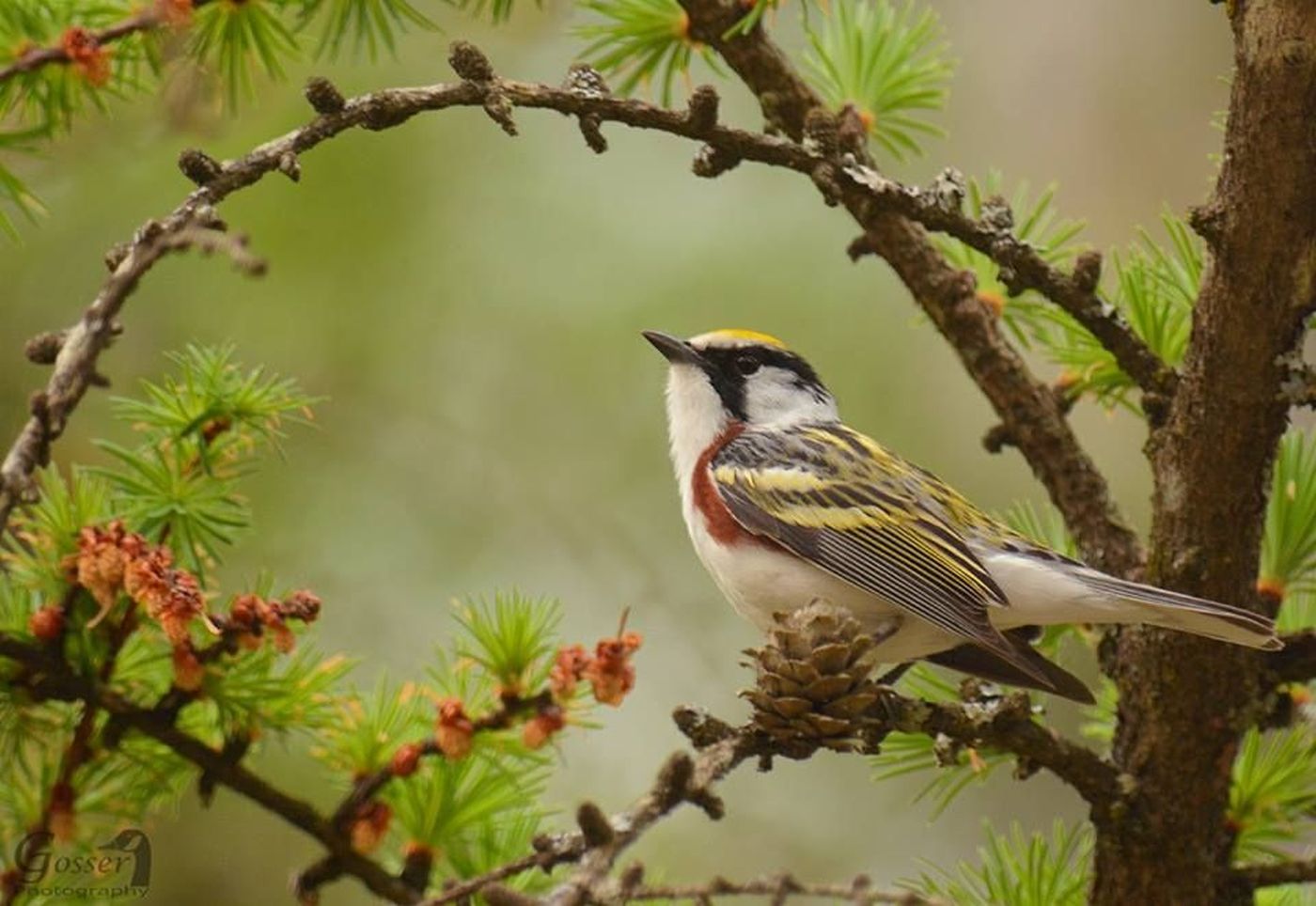
In Pittsburgh the First Wave contains species we’ve already seen this month: Louisiana waterthrush, white-throated and fox sparrows, dark-eyed juncos, hermit thrushes, male yellow-rumped (myrtle) warblers, male ruby-crowned kinglets and now, at the end of April, palm warblers.
Palm warblers, two subspecies “Yellow” and “Western” (image by Chuck Tague)
The Second Wave is the Biggest Week in American Birding at Magee Marsh and the biggest couple of weeks in Pittsburgh. Species include stragglers from the First Wave, too.
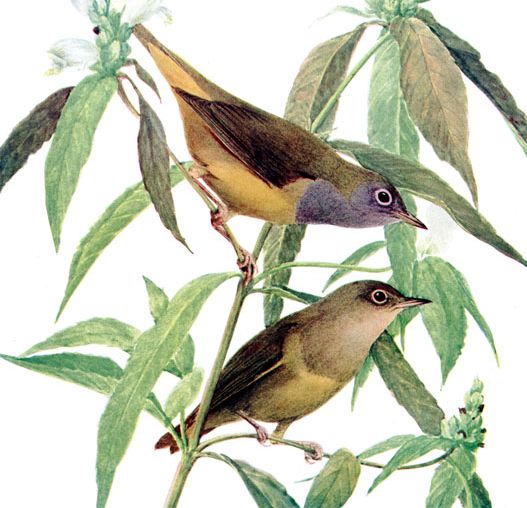
The Third Wave includes mourning warblers and the rarely-seen-in-Pittsburgh Connecticut warbler. If you want to see a Connecticut warbler at Magee Marsh, their peak is 20-27 May.
The Spring Migration Wave Theory explains why I’ve never seen some species in May in northwestern Ohio. I thought they didn’t come there but the real reason is that I wasn’t there when they passed through. I’ve always visited Magee Marsh in the second week of May so I’ve never seen a Louisiana waterthrush nor a Connecticut warbler while there.
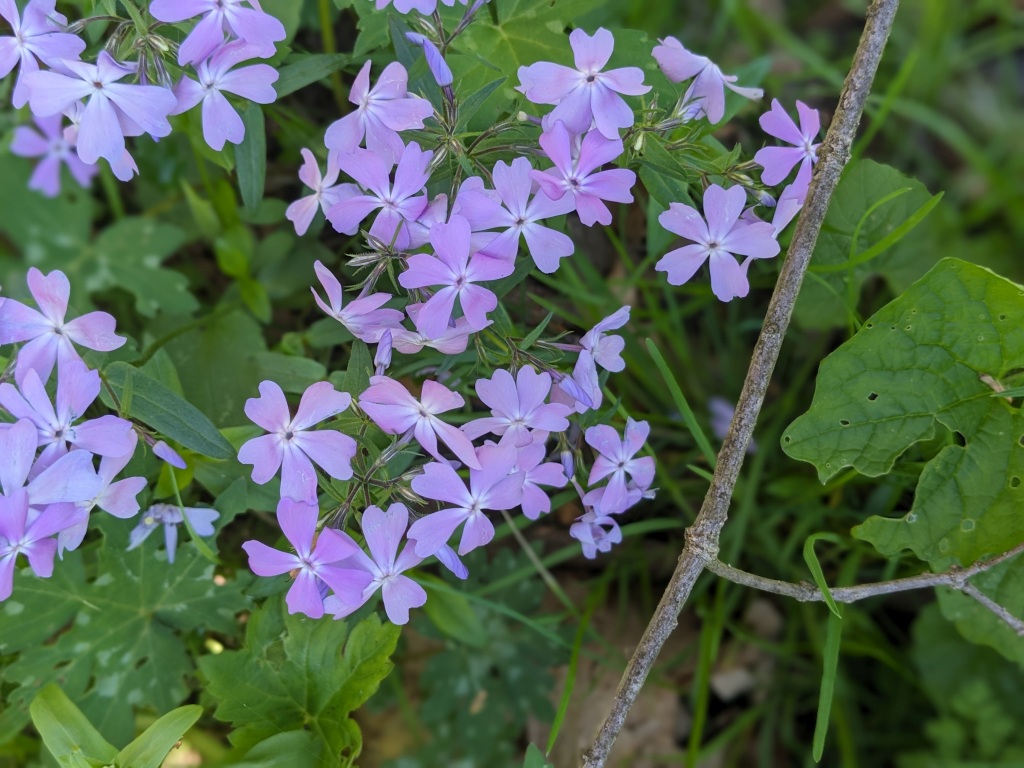
Wild blue phlox, Cedar Creek Park, 15 April 2024 (photo by Kate St. John)
20 April 2024
Do you ever feel frantic in the Spring?
This week in Pittsburgh the highs were always above 60°F and three days were in the low 80s. Migratory birds came in a rush midweek while early-blooming flowers went to seed. Spring came so quickly that I couldn’t keep up. It’s enough to make you frantic.
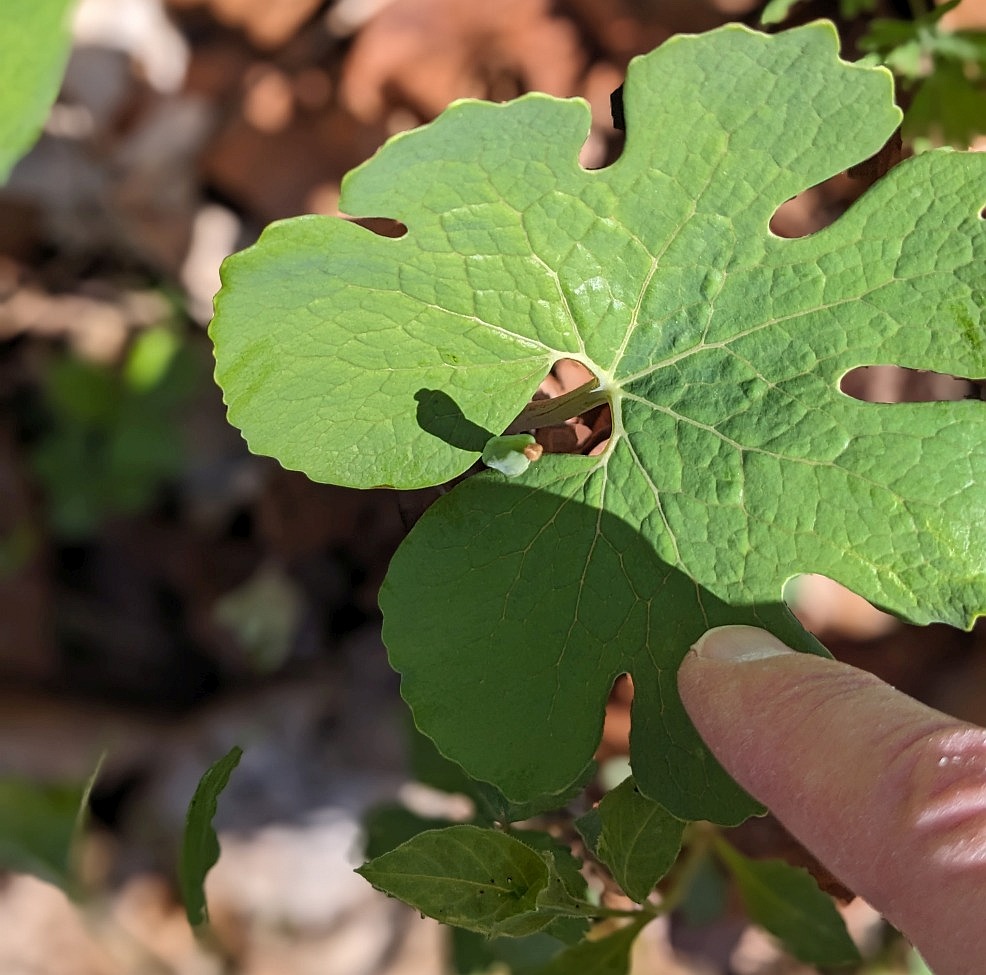
Bloodroot gone to seed, Cedar Creek Park, 15 April 2024 (photo by Kate St. John)
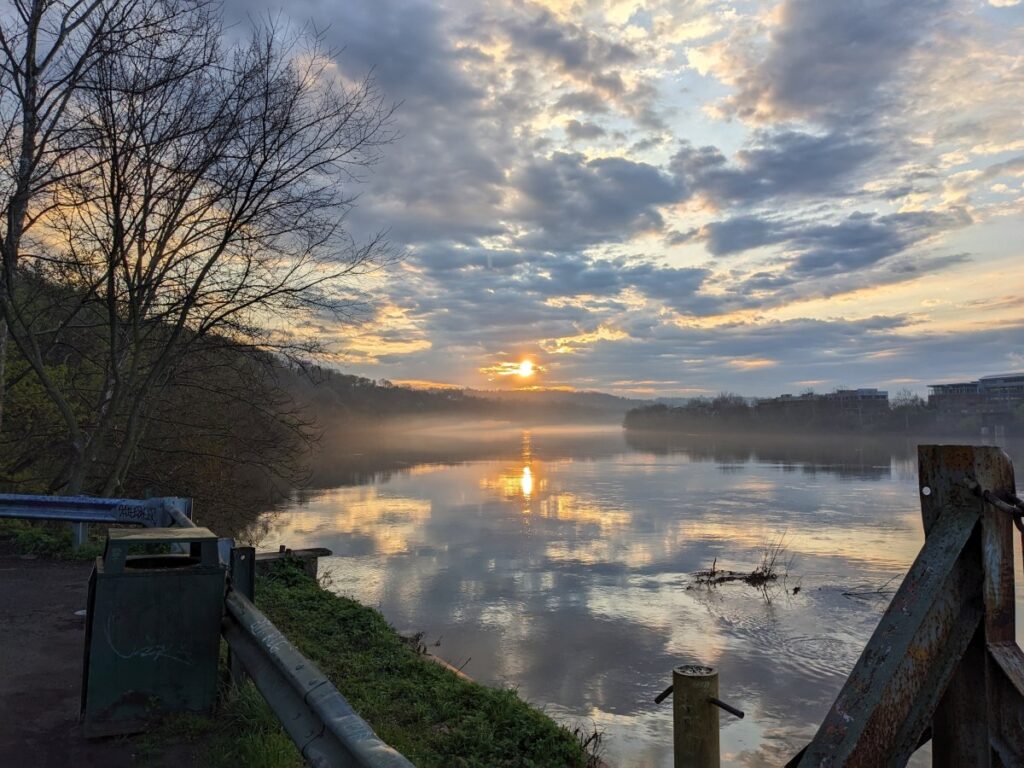
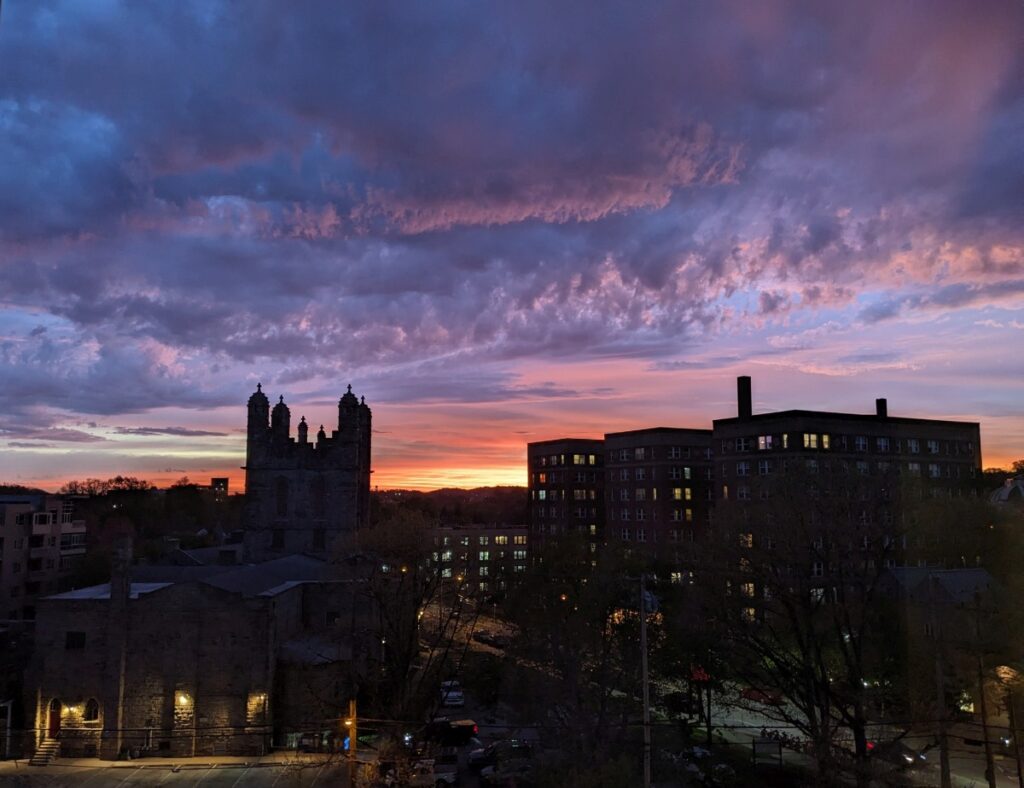
There were some stunningly clear days this week but the partly cloudy ones were more interesting, especially at sunrise: Duck Hollow on 15 April and Oakland on 19 April.
Sunrise at Duck Hollow, 15 April 2024 (photo by Kate St. John)Sunrise in Pittsburgh, 19 April 2024 (photo by Kate St. John)
On Thursday 18 April Charity Kheshgi and I saw great birds in Frick Park.
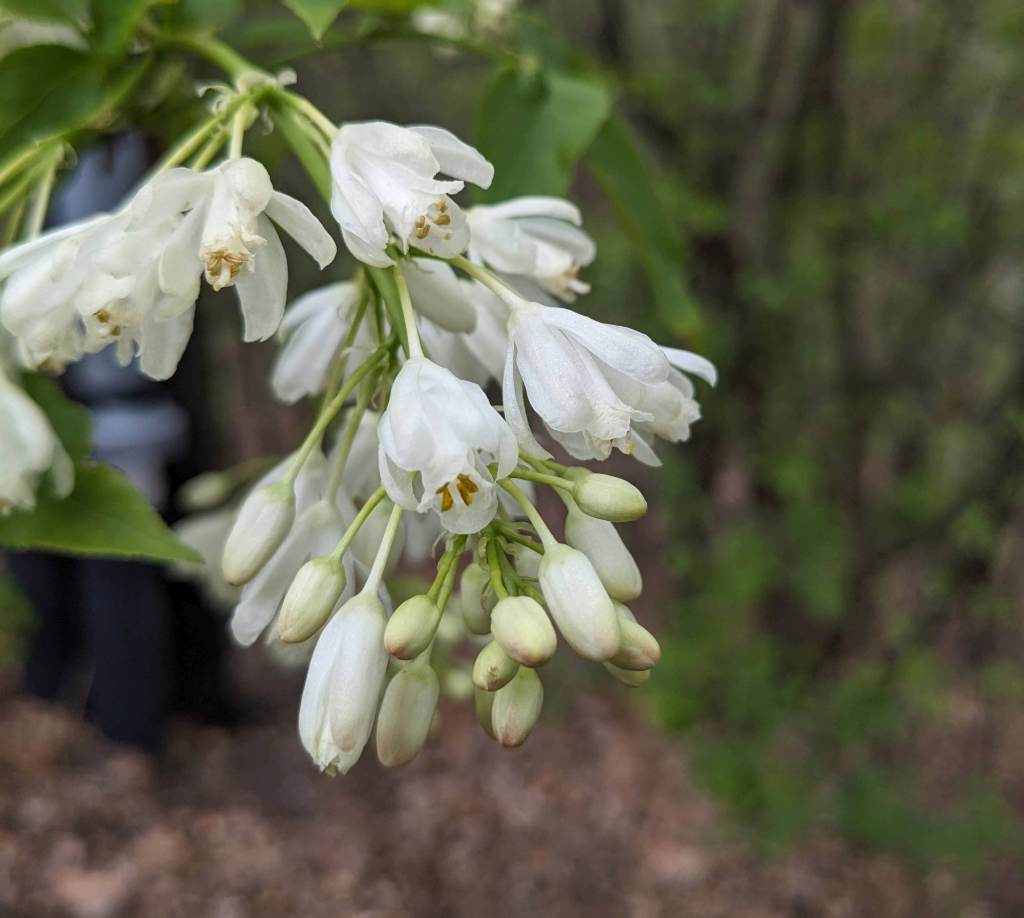
The trees in town began the week with tiny pale green leaves; Some ended the week with large dark green leaves. American bladdernut (Staphylea trifolia) was blooming yesterday in Schnley Park.
American bladdernut flowers, Schenley Park, 19 April 2024 (photo by Kate St. John)
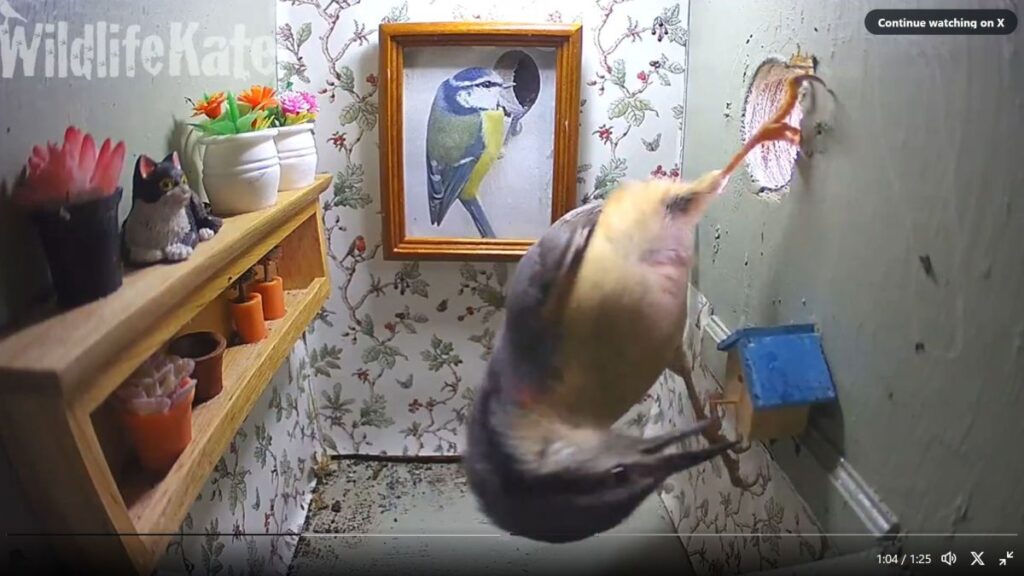
Since then the pair has been remodeling the apartment to their liking. They’ve added plenty of leaves and are now applying plaster (mud!) to the interior. Are they covering the decorations they don’t like? Or just filling in the gaps?
I didn't really feel that my furnished apartment needed re-plastering. The nuthatches feel differently. I wouldn't generally expect to re-plaster shelves… and do they have an issue with my choice of picture???? What's next???#GwylltHollow#Nuthatchespic.twitter.com/8ckfQZFg7L
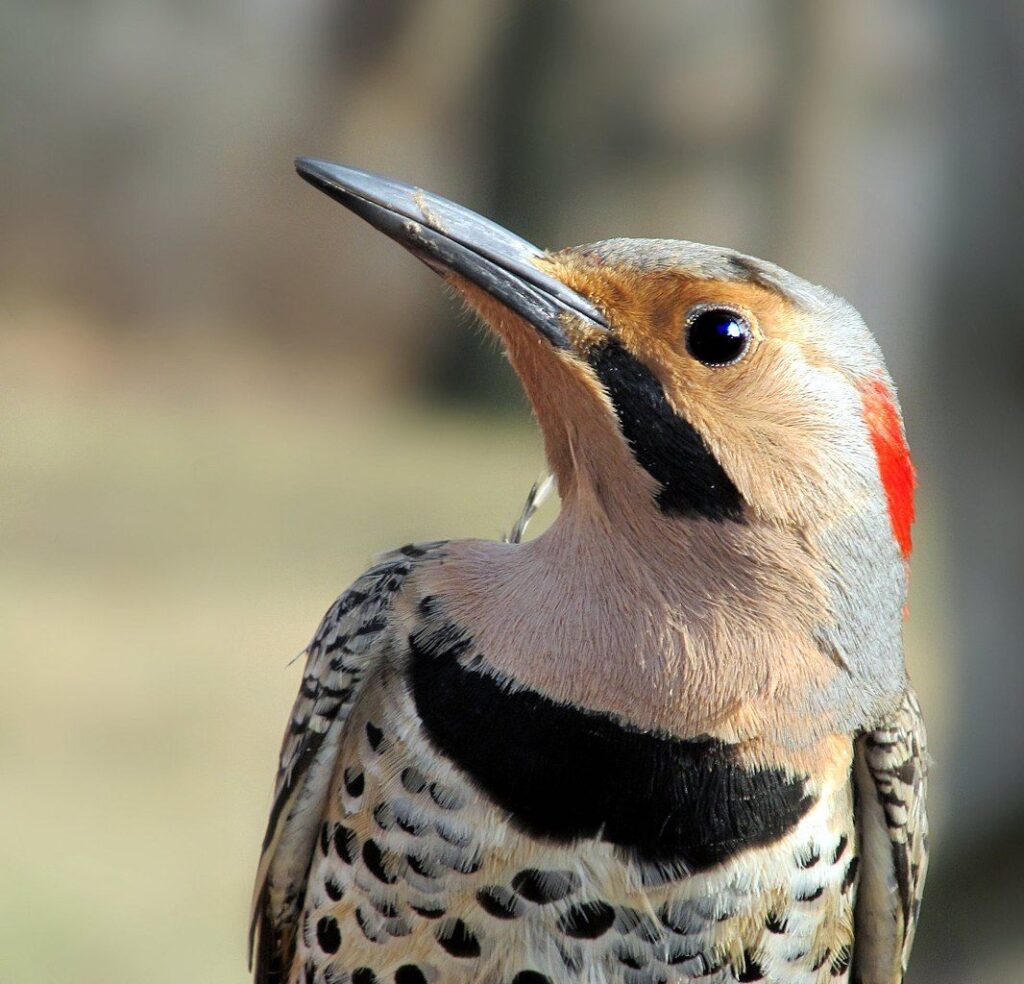
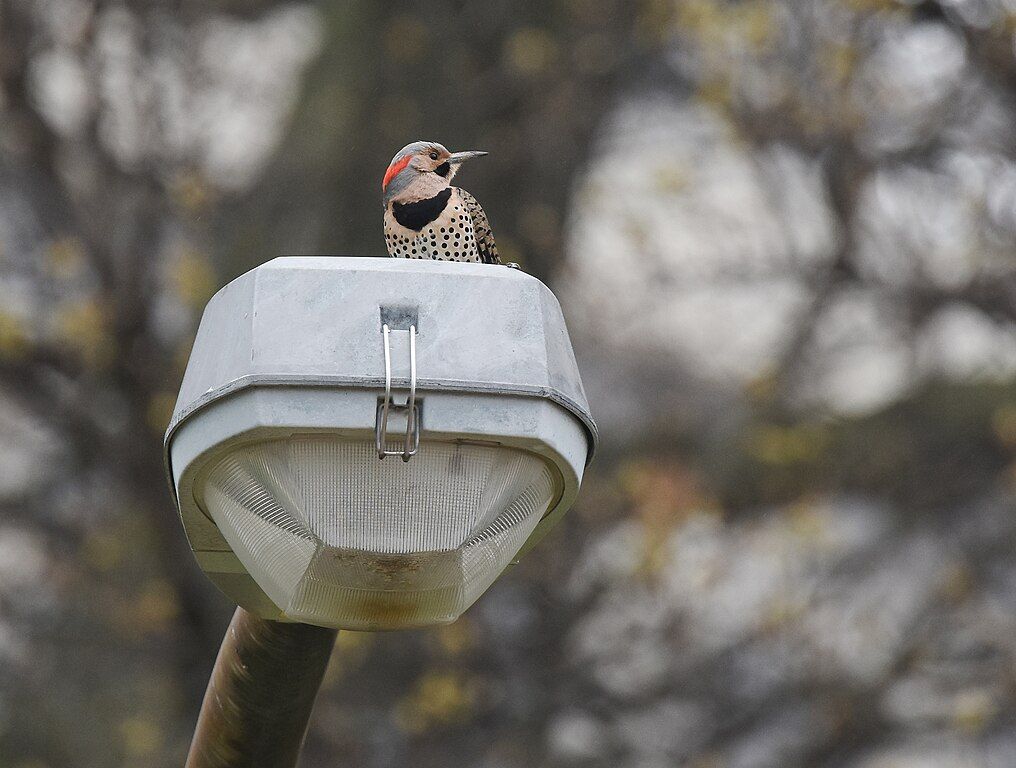
In case you haven’t noticed, northern flickers (Colaptes auratus) are loud right now.
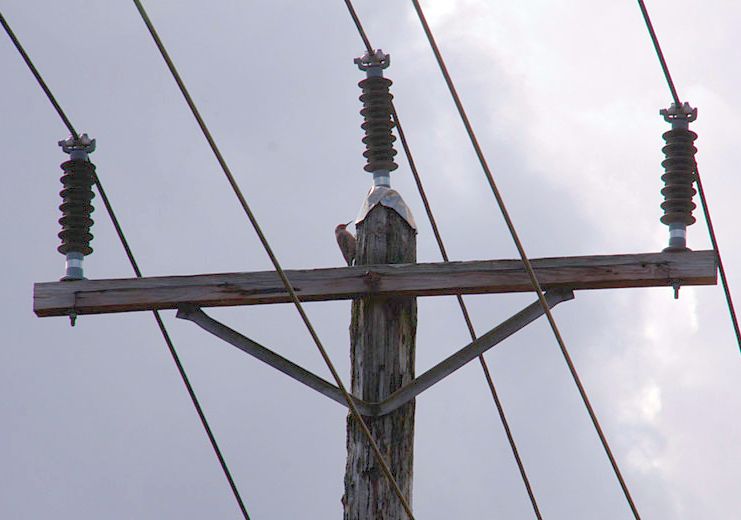
The Northern Flicker is very vocal in spring during which its long call (kick, kick, kick, kick, kick…) and drumming may be heard from more than a kilometer away [0.62 mile]. Homeowners sometimes express annoyance at individuals who take to hammering on metal chimneys and gates early in the morning, but fortunately this territorial advertisement only lasts for a few weeks in spring.
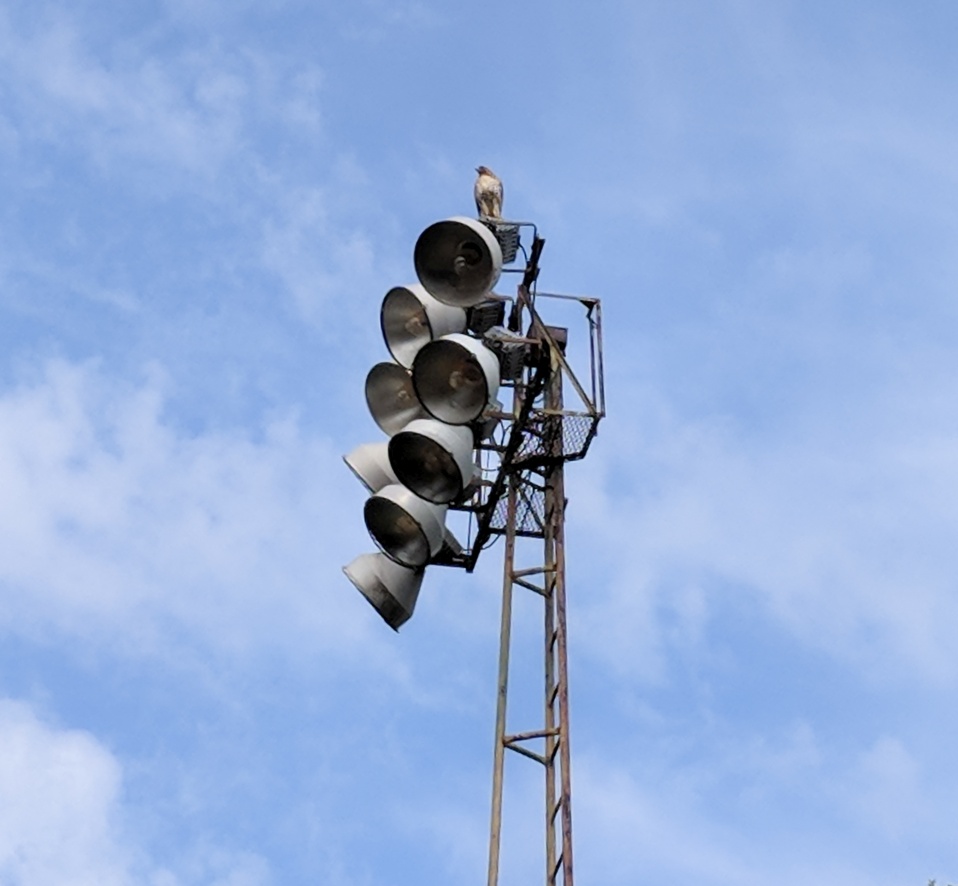
They hammered on the metal hoods of these old ballpark lights every spring. The lights were replaced at Magee Field in 2018. I never got a photo of the flickers on the floodlights but here’s one of a red-tailed hawk.
Old ballfield lights at Magee Field, Pittsburgh, with red-tailed hawk, July 2018 (photo by Kate St. John)
Flickers can be annoying when heard across the street, and worse than annoying when closer to home.
Welcome to my mornings these days. ? Audio clip is taken from the living room today – Northern Flicker drums on the metal chimney cover. Be careful if listening with headphones, gets loud.
Female Flicker photo to show who was making the noise, audio is from 2 April 2024. pic.twitter.com/yi5TnTsqzr